
Last updated October 30, 2026
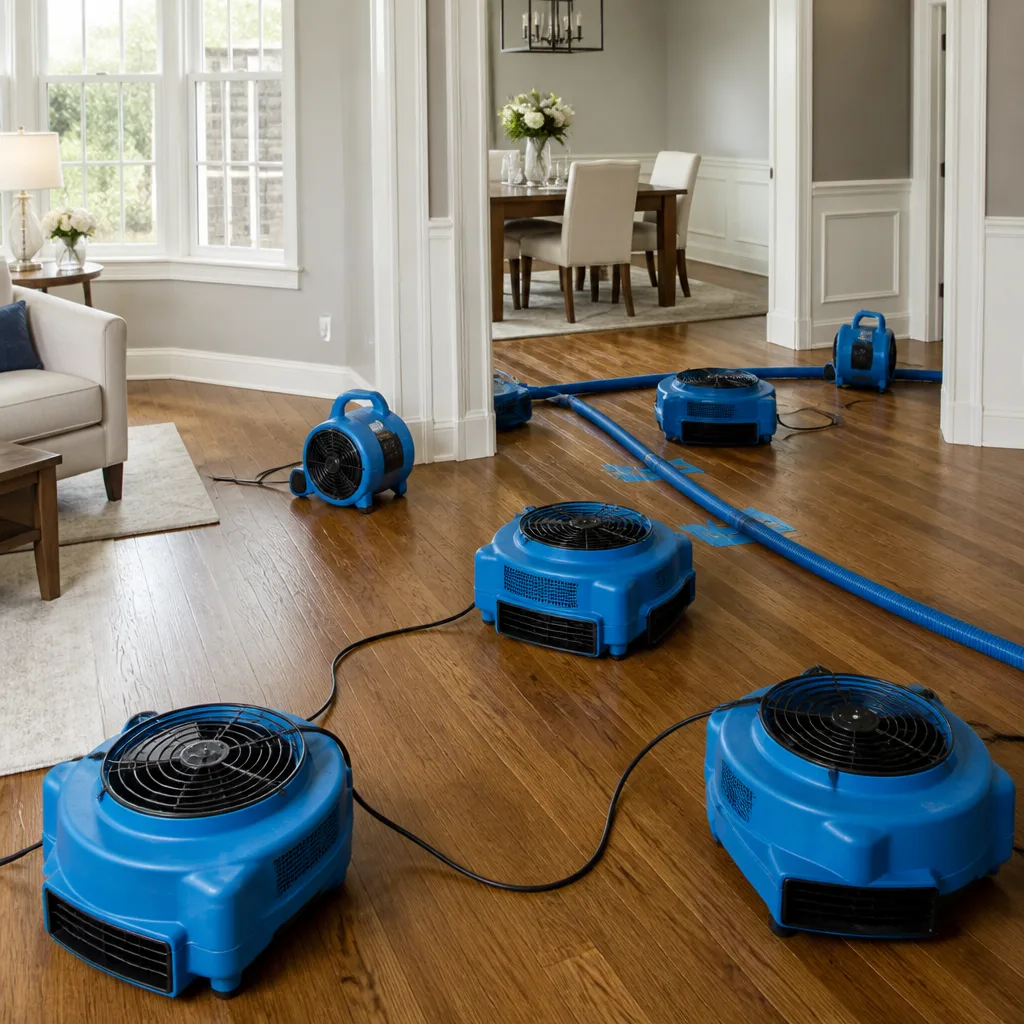 Water damage drying
 Fire & smoke cleanup
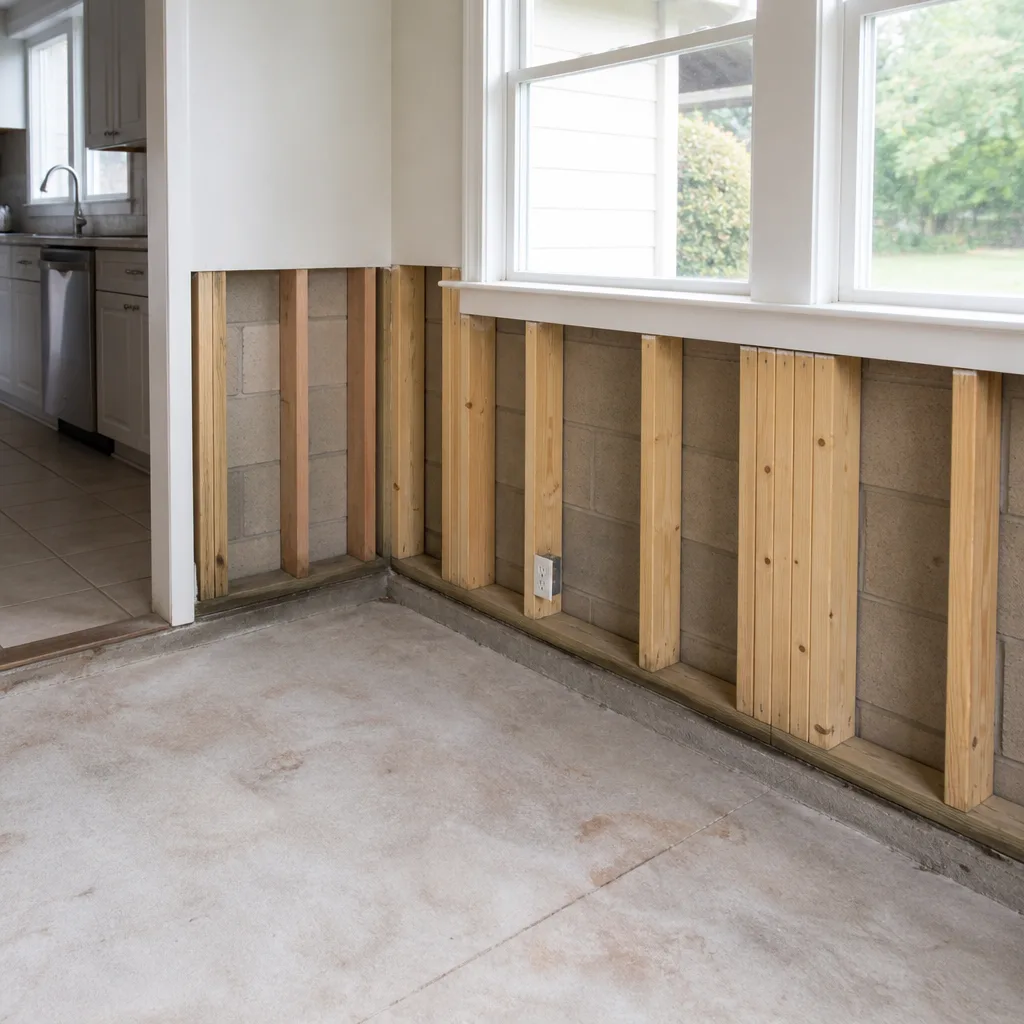 Mold remediation
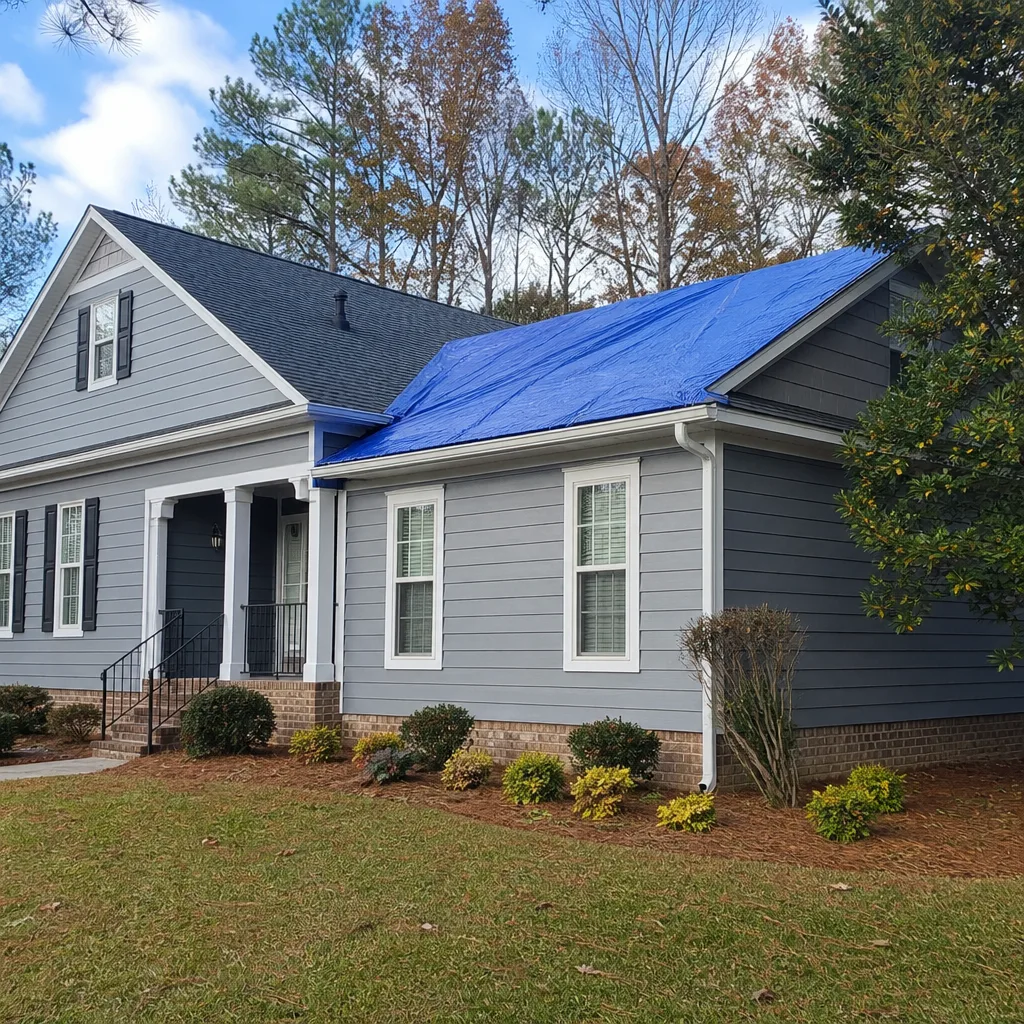 Storm response
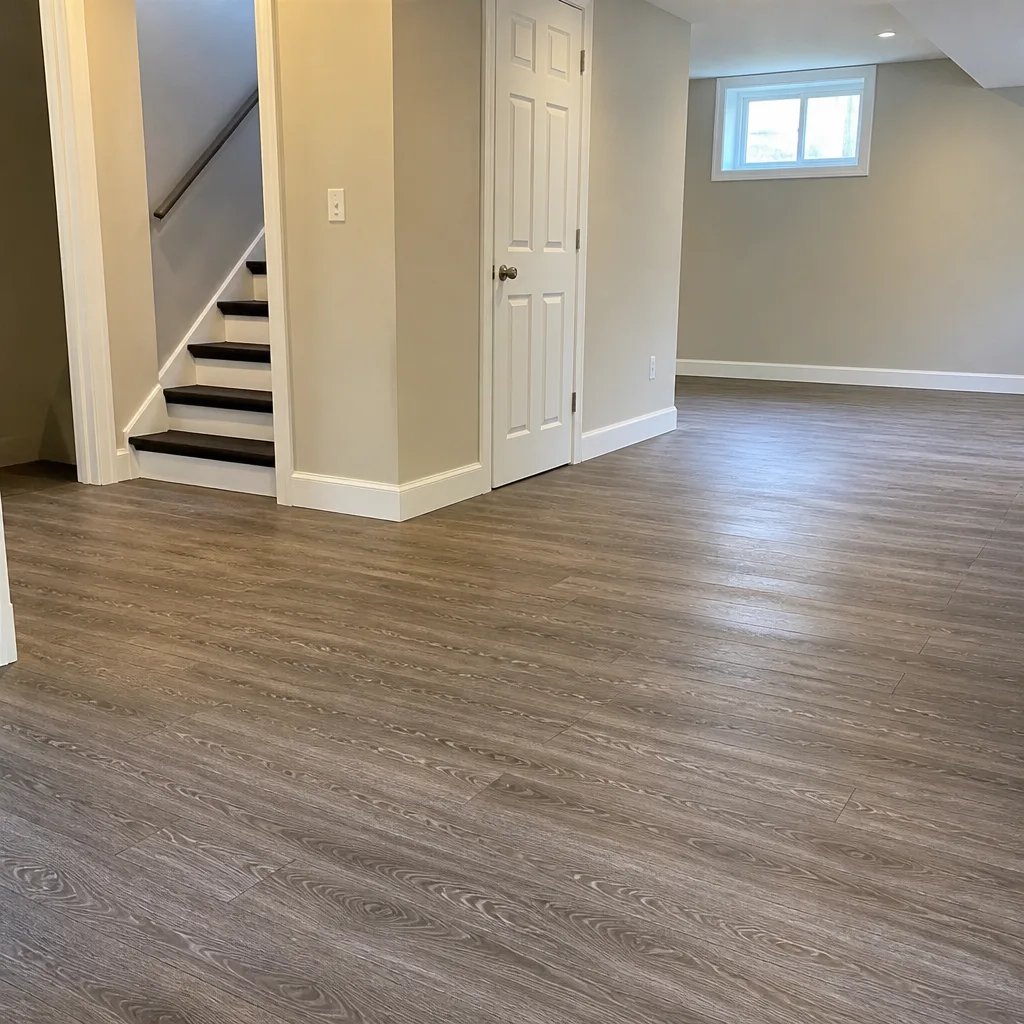 Sewage cleanup
 Reconstruction
Free visual inspection and a written scope of work before any mitigation begins - photos, moisture readings, and drying logs go in your claim file
The scope we write is the scope we bill. Anything new gets shown to you, in writing, before we touch it.
Get your free estimateDamage Restoration Emergency Preparedness Guide for Rialto Homes
Water migrates through a 1,500-square-foot home’s wall cavities in under two hours. That means the time between discovering a burst pipe and making the first correct decision is the only window a homeowner has to meaningfully limit the scope of damage. In Rialto, where summer temperatures routinely push past 95 degrees, that window shrinks even further, because heat accelerates mold colonization and warps drywall faster than homeowners expect. This guide gives you a pre-documented response protocol, not a shopping list. What you do in the first 15 minutes determines whether your loss stays in the thousands or crosses into the tens of thousands.
Restoration work we handle
Quick Answer
A water damage emergency preparedness plan for a Rialto home is a written, laminated response protocol that tells every adult in the household exactly what to do in the first 15 minutes after discovering water intrusion. It includes labeled shutoff locations, a documented pre-loss condition log, and a first-call order that puts restoration dispatch ahead of insurance paperwork. Homes with this protocol in place consistently see smaller restoration scopes, lower total claim costs, and faster return-to-normal timelines.
Table of Contents
- The Four-Step Immediate Response Protocol for Rialto Homes
- How to Locate and Label Every Shutoff in Your Rialto Home
- What to Say in the First Call to a Restoration Company
- The Pre-Loss Documentation Checklist: 90 Minutes That Protect Your Claim
- Rialto-Specific Emergency Resource Map
- Insurance Coordination: The Documentation Sequence That Matters
- Common Mistakes to Avoid
- When to Call a Professional
- Frequently Asked Questions
- The Bottom Line
The Four-Step Immediate Response Protocol for Rialto Homes
Every adult in your Rialto household should know these four steps without looking at the laminated card. The card exists as a backup for the moment panic sets in. Print it, laminate it, and mount it inside a kitchen cabinet door or on the garage wall next to the electrical panel. When water is actively flowing through your home, you do not have time to search for a PDF on your phone.
- Stop the source. Know where your main water shutoff is and turn it off. In Rialto, homes built before 1990 often have the main shutoff at the house wall where the service line enters, while newer subdivisions in the Renaissance and Las Colinas areas frequently have street-side meter vaults that require a meter key. You should have a meter key hanging next to the shutoff itself. If you don’t know where your main shutoff is, find it this weekend. Not after a pipe bursts.
- Kill power to affected zones. Water and electricity do not mix, and standing water in Rialto’s hard-water conditions conducts electricity aggressively. Your electrical panel has individual breakers labeled by zone. If the label scheme is not current, take 20 minutes this month to map each breaker to its rooms and write the map on the inside of the panel door. When water is present, shut off power to the affected zone at the breaker before you walk into standing water.
- Call restoration first, insurance second. This is the step most homeowners get wrong. The adjuster cannot extract water from your carpet. The adjuster cannot begin structural drying. The adjuster shows up days later. Your restoration company should be the first call because every hour of delay increases the restoration scope. A professional equipment load, including high-volume air movers and dehumidifiers, needs to be on-site within hours, not days. Then call your insurer while the restoration team is en route.
- Document before you disturb anything. Take photos and video of every affected area before moving furniture or pulling up wet carpet. Walk the perimeter of each room, capture baseboards, ceilings, and cabinet interiors. This documentation sequence is the single most important evidence you will have if your claim is disputed. Photo log first, cleanup second. Always.
We’ve seen this protocol save Rialto homeowners tens of thousands of dollars. We’ve also seen the alternative: a homeowner who spends 40 minutes searching for the shutoff while water spreads through the subfloor and into adjacent rooms. The difference between those two outcomes is preparation, not luck.
If you’re looking for a deeper dive on what happens after the water stops, our guide to Water Damage Restoration in Rialto walks through the full extraction and drying process step by step.
How to Locate and Label Every Shutoff in Your Rialto Home
Rialto’s housing stock spans several distinct eras, and each era has a different shutoff configuration. Homes in the older central Rialto neighborhoods, many built between 1950 and 1980, typically have the main water shutoff at the point where the service line enters the house from the street. You’ll find it on an exterior wall, often near the front hose bib or inside the garage along the wall facing the street. Homes in newer developments, including tracts built after 2000 in the north Rialto foothills, commonly have meter vaults set into the sidewalk or curb area, which require a meter key to access and shut off. You can buy a universal water meter key at any hardware store for under $20.
Here is the labeling system we recommend. It takes one afternoon and costs less than $30.
- Main water shutoff. Mark it with a red tag or red paint. Every adult and teenager in the house should be able to reach it and turn it within 60 seconds. Practice it once. If it’s a gate valve that hasn’t been turned in years, gently exercise it now before you need it. Stiff valves break when you force them during an emergency.
- Zone shutoffs. If your home has secondary shutoffs for bathrooms, laundry, or irrigation lines, mark them with blue tags and write the zone name on the tag with a permanent marker. These are the valves that let you isolate a leaking toilet supply line without shutting off water to the entire house.
- Gas shutoff. The gas meter is typically on an exterior wall, and the shutoff valve is the first fitting on the pipe coming out of the meter. It requires a quarter turn with an adjustable wrench. Mark it with a yellow tag. Do not attempt to turn gas back on yourself after an emergency; SoCalGas handles that. But shutting it off during a seismic event or fire is your responsibility.
- Electrical panel. Map every breaker to its rooms and write the map inside the panel door. Label the main breaker with a large red “MAIN” tag. If you have a subpanel, map that too. During a water event, you need to kill power to the wet zone without shutting down the refrigerator or medical equipment.
Property managers in Rialto should add one more layer: photograph every shutoff location and include those photos in the tenant orientation packet. When a tenant calls at 2 a.m. about a burst pipe, you want them looking at a labeled photo, not trying to interpret verbal directions over the phone.
What to Say in the First Call to a Restoration Company
The first call to a restoration company determines what equipment gets loaded on the truck. Dispatch teams ask questions for a reason, and the quality of your answers decides whether you get a partial pack-out crew or a full structural drying response. Here’s what to communicate in the first 30 seconds.
1. The water source and whether it’s stopped. Say “clean water from a burst supply line under the kitchen sink, water is off at the main” or “sewage backup from a toilet, water is still rising.” The source classification changes the response. Clean water from a supply line is Category 1. Sewage is Category 3 and requires different PPE, different containment, and different disposal protocols. The crew needs to know before they arrive.
2. How long the water has been flowing. Your best estimate matters. Less than two hours means extraction and targeted drying may suffice. More than 24 hours means building materials have reached saturation and mold colonization has likely begun in Rialto’s warm conditions, so watch for the Damage Restoration Warning Signs: A Rialto Homeowner’s Reference Guide. This determines whether the team brings Injectidry cavity-drying systems or whether drywall removal is the more honest path.
3. The affected square footage and flooring type. “Water spread through the kitchen, hallway, and into the living room, maybe 400 square feet, tile in the kitchen and laminate in the living room.” This tells dispatch how many air movers and what type of dehumidification load to bring. A 400-square-foot tile and laminate loss needs a different equipment stack than a 2,000-square-foot carpet and hardwood loss.
4. Whether there’s visible water in wall cavities or ceilings. If you see bubbling drywall, peeling paint, or water-stained ceilings, say so. That signals the need for cavity-drying equipment and possibly injectidry mats, not just surface extraction.
5. Your electrical situation. “Power is off at the breaker for that zone” or “I haven’t touched the panel yet.” The restoration team needs to know whether they’re walking into a live electrical hazard.
That’s the call. Under two minutes. It gets the right truck rolling with the right load.
The Pre-Loss Documentation Checklist: 90 Minutes That Protect Your Claim
The single most common point of claim dispute is pre-loss condition. Was that water damage to the kitchen cabinets pre-existing, or did the pipe burst cause it? If you can’t prove the condition of your home before the loss, the adjuster’s default position is skepticism. A 90-minute documentation session eliminates that problem. Here is the system we recommend to every Rialto homeowner before a loss ever happens.
- Walk every room with your phone in video mode. Start at the front door and move room by room. Narrate what you’re filming: “Master bedroom, east wall, no water stains on ceiling, carpet in original condition.” Open closet doors and film interiors. Film under every sink. Film the water heater, the HVAC closet, and the attic access. Total time: roughly 30 minutes for a 1,500-square-foot home.
- Photograph every cabinet interior and mechanical space. Open every kitchen and bathroom cabinet and take a still photo of the interior base and back wall. These are the first places water damage shows up and the first places adjusters question. Photograph the water heater connections, the washing machine supply lines, the dishwasher connection, and every angle stop under every sink. Total time: 20 minutes.
- Document serial numbers and age-dated items. Photograph the data plate on your water heater, HVAC unit, and any major appliance connected to water lines. If you replaced a water heater three years ago, the serial number proves it. This is how you avoid depreciation fights on a five-year-old unit that the adjuster tries to classify as 12 years old.
- Back everything up twice. Cloud storage plus a local backup drive. Label the folder “Pre-Loss Condition – [Date].” Tell every adult in the house where it lives. When a loss happens, you send that folder to the adjuster and the restoration company. The claim conversation changes instantly.
This is not paranoia. This is the difference between a claim that settles in weeks and a claim that drags through months of back-and-forth. Rialto homeowners who do this once, and update it every two years, never have to prove a negative after the fact.
Rialto-Specific Emergency Resource Map
When water, fire, or mold hits a Rialto home, homeowners waste precious hours calling the wrong agencies. Here is who to call, what each agency actually handles, and where the gaps are. Print this section and keep it with your protocol card.
- Rialto Fire Department – Emergency Dispatch (911). For active fires, gas leaks with active odor, electrical hazards with visible sparking, or any life-safety threat. The fire department will secure the scene, shut off utilities if needed, and document the incident. They do not perform water extraction or structural drying. Their job ends at scene stabilization. Your restoration company takes over from there.
- City of Rialto Public Works – Water Division. For water main breaks at the street, sidewalk area flooding, or issues with the meter vault itself. The City of Rialto Water Division handles the public side of the water system. Anything from the meter to your house is your responsibility. If the meter vault is damaged, call the city before anyone else touches it, because meter tampering can result in fees even during an emergency.
- SoCalGas – Gas Leak Hotline. For gas odor inside or outside the home, call SoCalGas immediately at their emergency line and then evacuate. SoCalGas responds to shut off the gas supply at the meter and assess the leak. They do not restore gas service until the source of the leak is repaired, which means you’ll need a licensed plumber to complete repairs before SoCalGas will relight pilots.
- San Bernardino County Emergency Services. The county manages emergency notifications, disaster declarations, and multi-jurisdictional response during large-scale events like the Santa Ana wind-driven fires that periodically threaten Rialto’s northern and western edges. County services do not handle individual residential water losses. They coordinate regional emergencies. Know the difference so you don’t spend an hour on hold with the wrong agency.
- Your Restoration Company. This is the call that actually starts the recovery process. A qualified restoration company handles water extraction, structural drying, mold remediation, and fire damage restoration. In Rialto, that means a team with IICRC-certified technicians who can document the loss for your adjuster and begin mitigation immediately.
Insurance Coordination: The Documentation Sequence That Matters
Most homeowners interact with their insurance carrier once every few years, and the claim process is unfamiliar territory. The restoration company you choose should function as your documentation partner, not just a cleanup crew. Here is the sequence we recommend, and it starts before you ever call the insurance company.
Step one: Photograph everything before anything moves. This is non-negotiable. The adjuster will want to see the loss as you found it. Your restoration company should do the same with professional documentation equipment, including moisture mapping and thermal imaging where applicable.
Step two: Call your insurer and report the loss. Have your policy number ready. Describe the event factually: what happened, when, and what’s affected. Do not speculate about cause in the first call. “A supply line under the kitchen sink failed” is a fact. “I think the builder used cheap materials” is not helpful and can complicate your claim.
Step three: Ask the adjuster when they can visit. Then tell your restoration company. The restoration team should be there when the adjuster walks through, because the field adjuster and the restoration technician speak a shared language of moisture readings, drying chambers, and restoration scope. You don’t have to translate.
Step four: Get a written scope from the restoration company before work begins. This is the document that protects you from overselling and protects the claim from disputes. It should itemize what’s damaged, what the mitigation plan is, what equipment will be used, and what the expected timeline looks like. A proper scope is the difference between a restoration project and a surprise invoice.
Step five: Let the restoration company talk to the adjuster directly. Insurance-level documentation is a specialty. The moisture logs, drying records, and equipment placement reports that a professional restoration team produces are formatted the way adjusters expect to see them. This is a core part of what we do, and it’s why homeowners who work with a credentialed restoration team consistently see smoother claim outcomes than homeowners who try to manage the process alone.
If you’re dealing with mold specifically, the documentation requirements change slightly. Our guide to Mold Remediation in Rialto explains the clearance testing process and what your insurer will want to see.
Common Mistakes to Avoid
- Calling the insurance company before stopping the water. Every minute the water flows is a minute of additional damage. Stop the source first, then make calls. The adjuster’s phone number will still work ten minutes later. Your drywall won’t wait.
- Using a shop vac on a major water loss. A consumer-grade shop vac can pull maybe five gallons before you’re emptying the tank. A professional extraction truck pulls water at hundreds of gallons per hour. The time you spend vacuuming is time the water spends wicking up your drywall. This is not a job for homeowner equipment.
- Waiting to see if it “dries on its own.” It won’t. Not in Rialto’s climate. What will happen is that the moisture in your wall cavities creates exactly the warm, dark, humid environment mold needs. By the time you can see mold on the surface, the colony inside the wall is already established.
- Not documenting before moving wet contents. Once you move that wet couch, the adjuster can’t see the water line on the carpet. Once you pull up that wet pad, the adjuster can’t verify the saturation extent. Photos first, always.
- Hiring a generalist contractor for a water loss. A general contractor is not a restoration contractor. They don’t have the moisture mapping equipment, the drying chambers, or the IICRC certification that restoration requires. They also don’t produce the documentation your adjuster needs. Use a restoration specialist for mitigation, then a general contractor for reconstruction if needed.
- Leaving the gas shutoff unmarked. In an earthquake or fire event, seconds matter. If you’re fumbling for a wrench and trying to remember which fitting is the shutoff, you’ve already lost time you didn’t have. Mark it. Everyone in the house should know where it is.
- Skipping the pre-loss documentation because it feels excessive. We hear this all the time: “I’ll do it eventually.” Eventually doesn’t help when the pipe bursts on a Tuesday night. The 90-minute investment returns thousands of dollars in a disputed claim.
When to Call a Professional
Any water loss that has spread beyond a single contained area, any water that has been present for more than 24 hours, any water that has contacted building materials, and any water from a contaminated source is a professional restoration situation. Mold that is visible on more than 10 square feet of surface area, mold that recurs after cleaning, or mold in wall cavities after a hidden leak all require professional remediation with proper containment and clearance testing. Fire damage of any scope requires professional smoke and soot remediation, because smoke particles embed in every porous surface and require specialized equipment to remove. If you are unsure whether your situation warrants professional help, call and ask. Trailblazer Water Damage offers free estimates in Rialto, and we’ll tell you honestly if the job is one you can handle yourself. In most cases involving water that has touched drywall, flooring, or wall cavities, the answer is that professional equipment will save you money in the long run. Call (866) 472-6137 for a free estimate.
For fire recovery specifically, the process differs significantly from water mitigation. Our guide to Fire Damage Restoration in Rialto explains what happens after the fire department leaves.
Frequently Asked Questions
Stop the water source first by shutting off the main water supply or the zone shutoff for the affected area. Every minute the water continues to flow expands the restoration scope. After the source is stopped, cut power to the affected zone at the breaker panel if standing water is present, then call a restoration company before calling your insurance carrier. If you’re not sure where your main shutoff is, find it and label it this week before you need it. Call (866) 472-6137 and we’ll walk you through the first steps over the phone.
Mold colonization typically begins within 24 to 48 hours in Rialto’s warm climate, and it often starts faster during summer months when indoor temperatures stay above 80 degrees even with air conditioning. This is why professional structural drying should begin within hours, not days. Once mold establishes inside wall cavities, the remediation scope expands significantly beyond what a simple water extraction would have required.
Most homeowner policies cover sudden and accidental water damage, such as a burst pipe or water heater failure, but coverage depends on your specific policy terms and the cause of the damage. Gradual leaks, flooding from external sources, and neglect-related damage are commonly excluded. Your restoration company should provide photo documentation and moisture readings that support your claim, and they should be able to communicate directly with your adjuster to explain the technical scope. Ask your restoration company about their documentation process before work begins.
Rialto homes with street-side meter vaults require a universal water meter key, which you can buy at any hardware store for under $20. The shutoff valve inside the vault is a quarter-turn ball valve in most modern installations. Turn it 90 degrees to the closed position. If the valve is stuck or the vault is damaged, call the City of Rialto Water Division before forcing anything, because meter damage can incur fees. Keep the meter key hanging next to the house-side shutoff so it’s always in the same place when you need it.
A restoration company has IICRC-certified technicians, professional-grade equipment like Dri-Eaz and Phoenix systems, and the documentation capabilities to work directly with insurance adjusters. A cleanup crew has a wet vac and some fans. The difference appears in your claim outcome and in what’s left behind inside your walls. A proper restoration team addresses hidden moisture in wall cavities and structural components, not just visible surface water. The scope of what’s dried today determines whether you’re dealing with mold next month.
If the water is clean, contained to a small area, and you caught it within minutes, you may be able to handle it with towels and a fan. The risk is hidden migration: water follows the path of least resistance and travels under baseboards, into wall cavities, and beneath flooring before it becomes visible. If you have any doubt about whether water reached building materials, call a professional for an assessment. A free estimate is cheaper than a mold remediation project six months from now. Call (866) 472-6137 and we’ll help you determine what you’re actually dealing with.
The Bottom Line
Emergency preparedness for water damage is not about buying supplies. It’s about building a pre-documented response protocol: labeled shutoffs, a mapped electrical panel, a 90-minute pre-loss documentation log, and a first-call order that puts professional restoration ahead of insurance paperwork. The first 15 minutes determine the final bill. Rialto homeowners who invest one afternoon in this system before a loss occurs consistently see smaller restoration scopes, smoother claims, and faster returns to normal life. If you haven’t built your protocol yet, start this weekend. And when the day comes that you need professional help, we’re already here serving Rialto. Call (866) 472-6137 for a free estimate.
Written by the team at Trailblazer Water Damage, serving Rialto since 2013. Explore more guides & resources for protecting your home.
See the difference
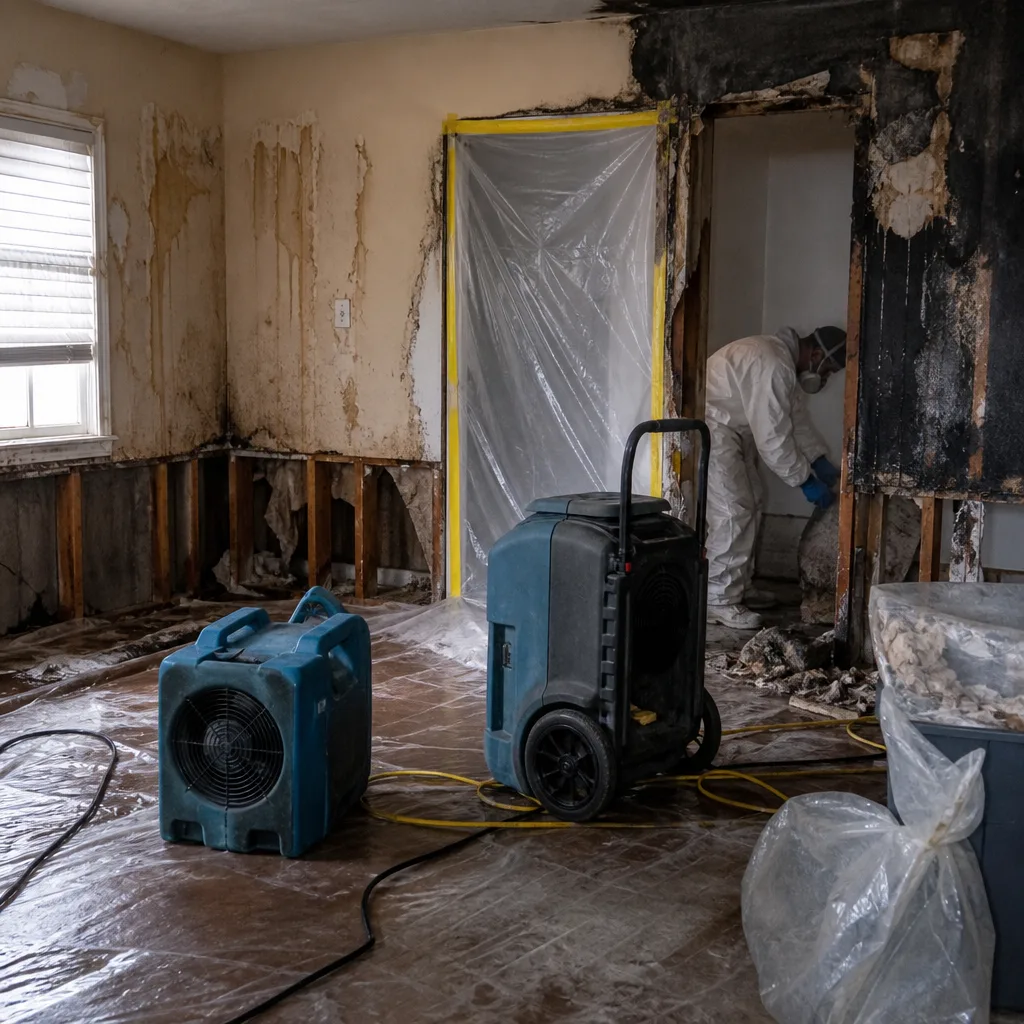 Before
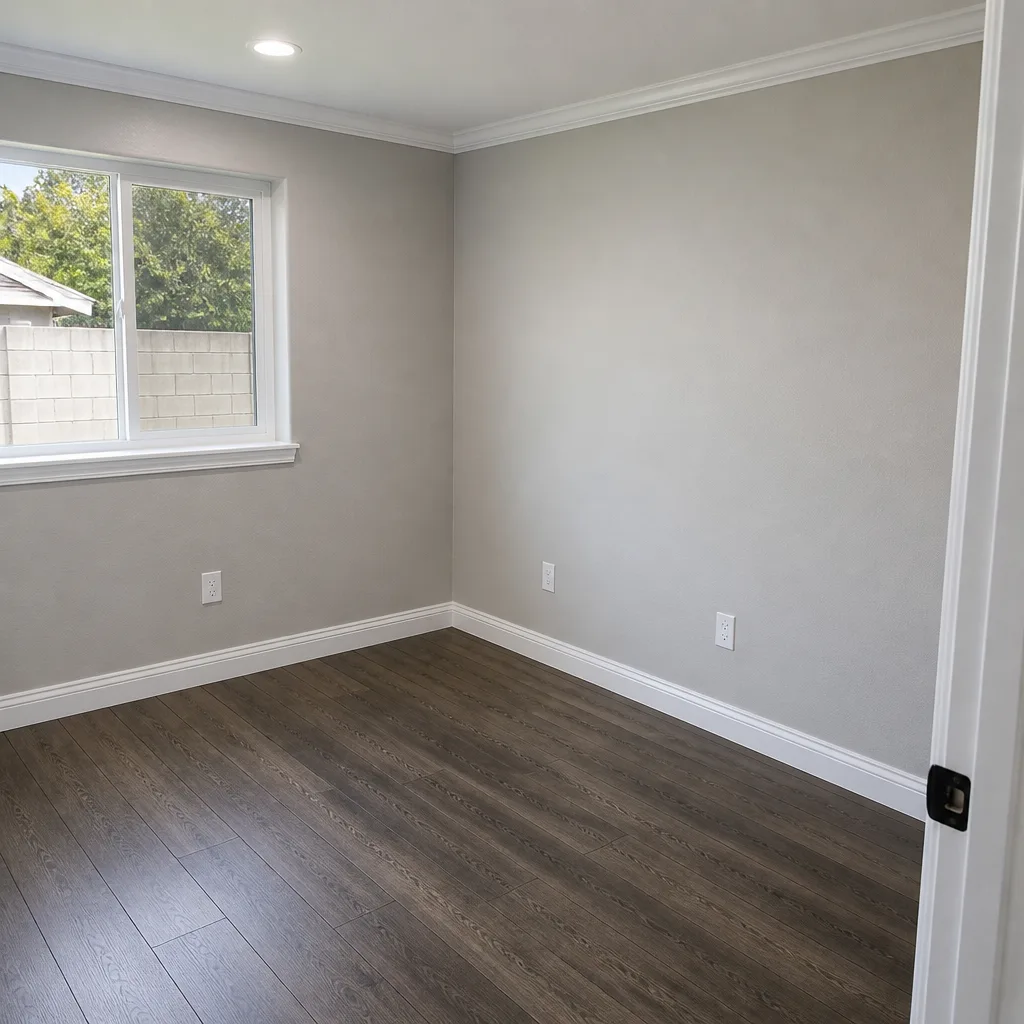 After
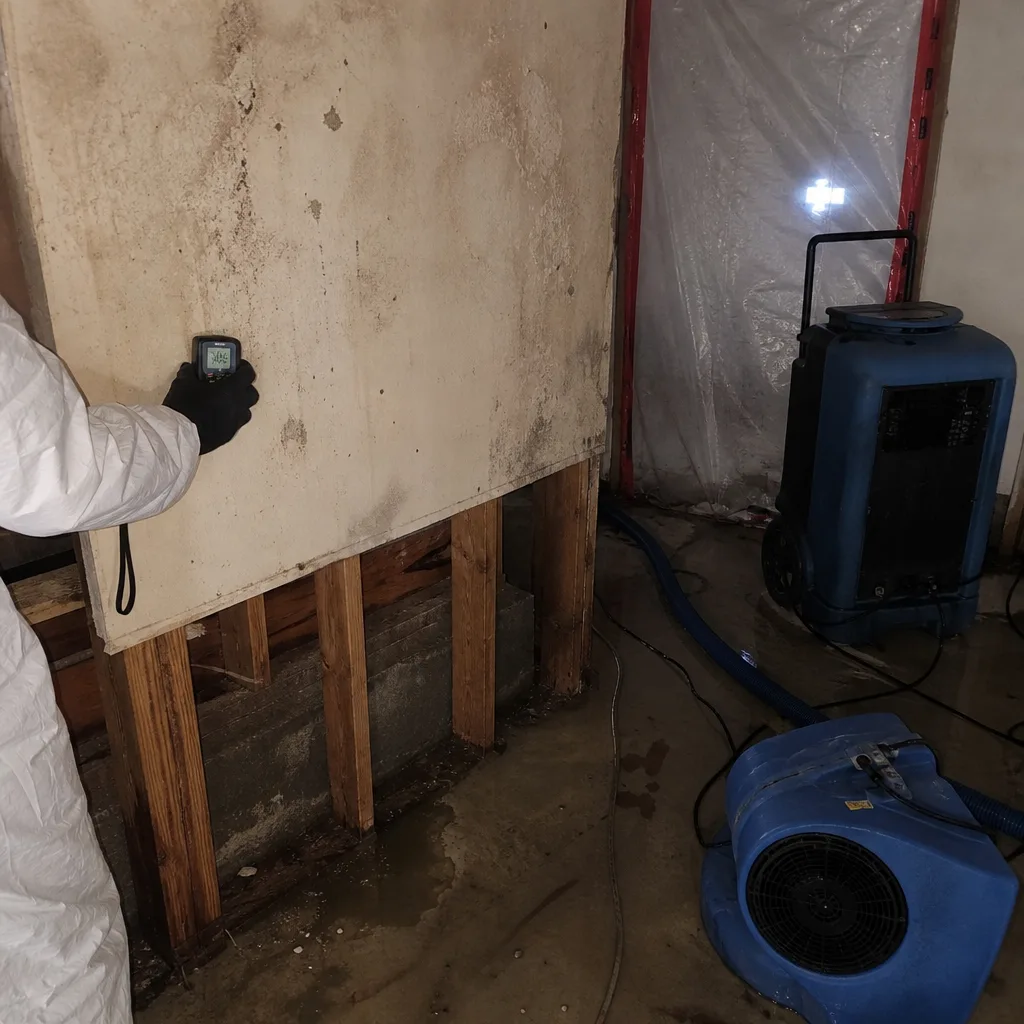 Before
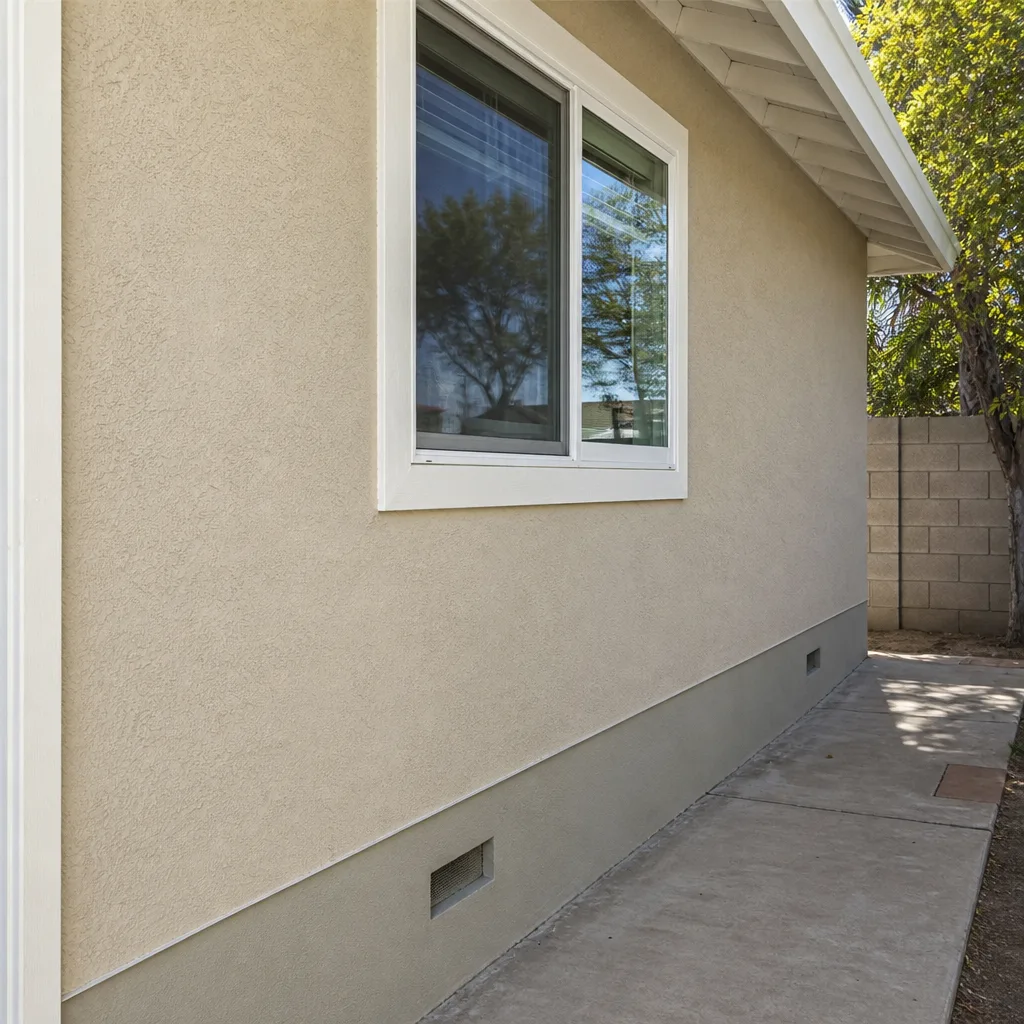 After
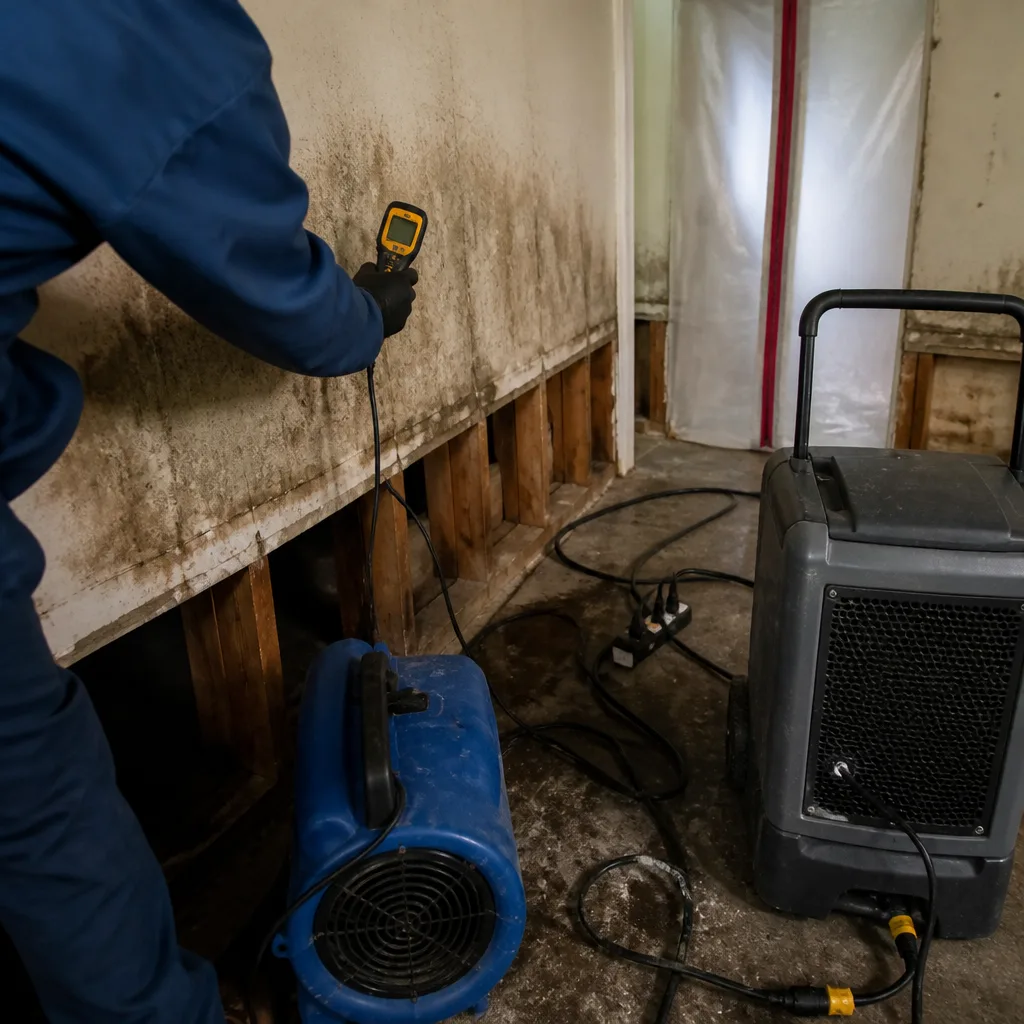 Before
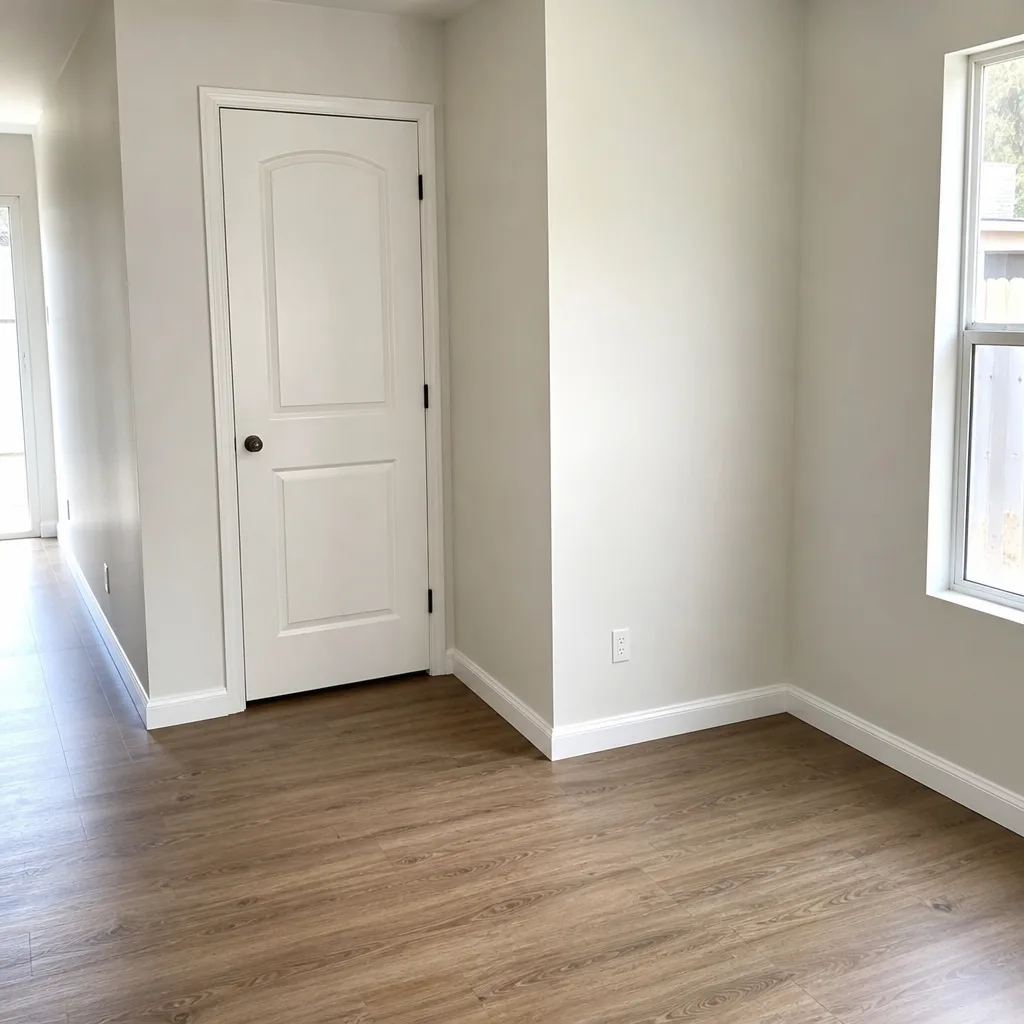 After