
Last updated October 30, 2026
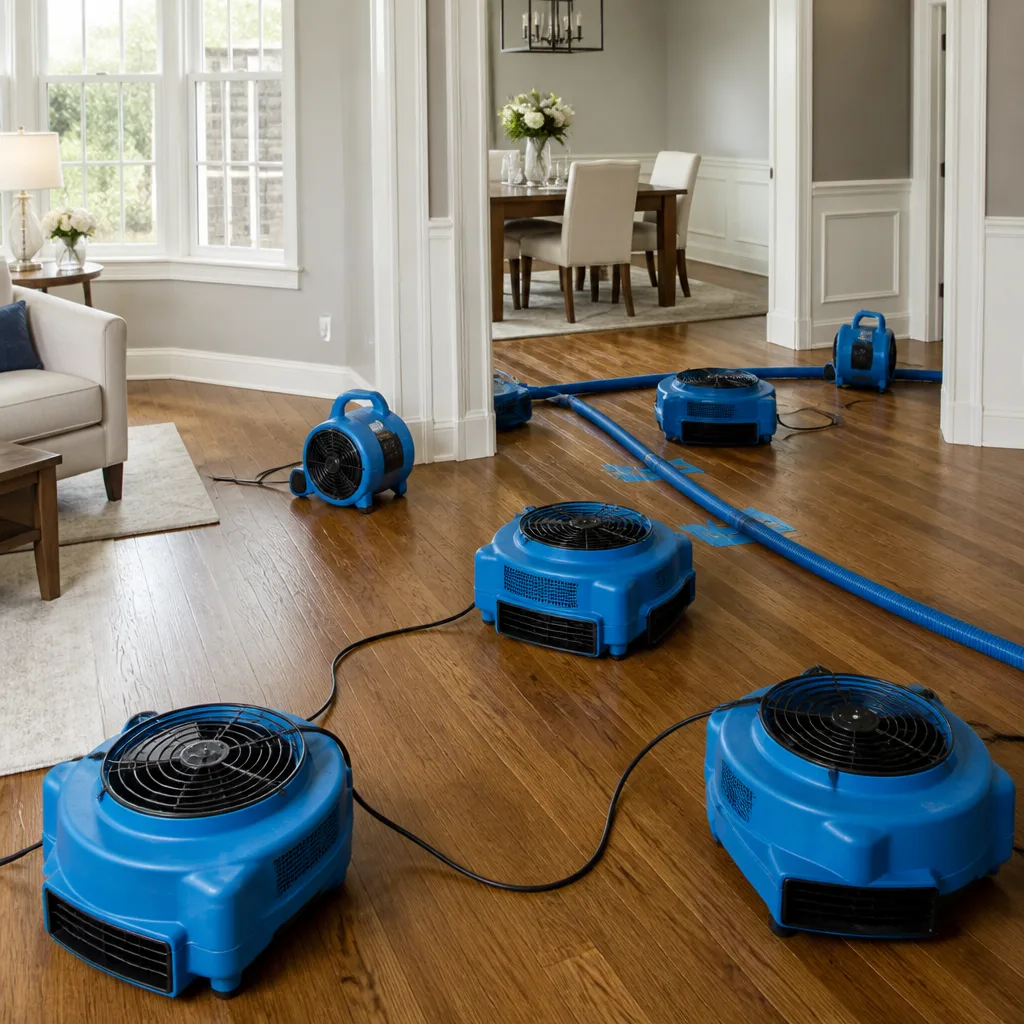 Water damage drying
 Fire & smoke cleanup
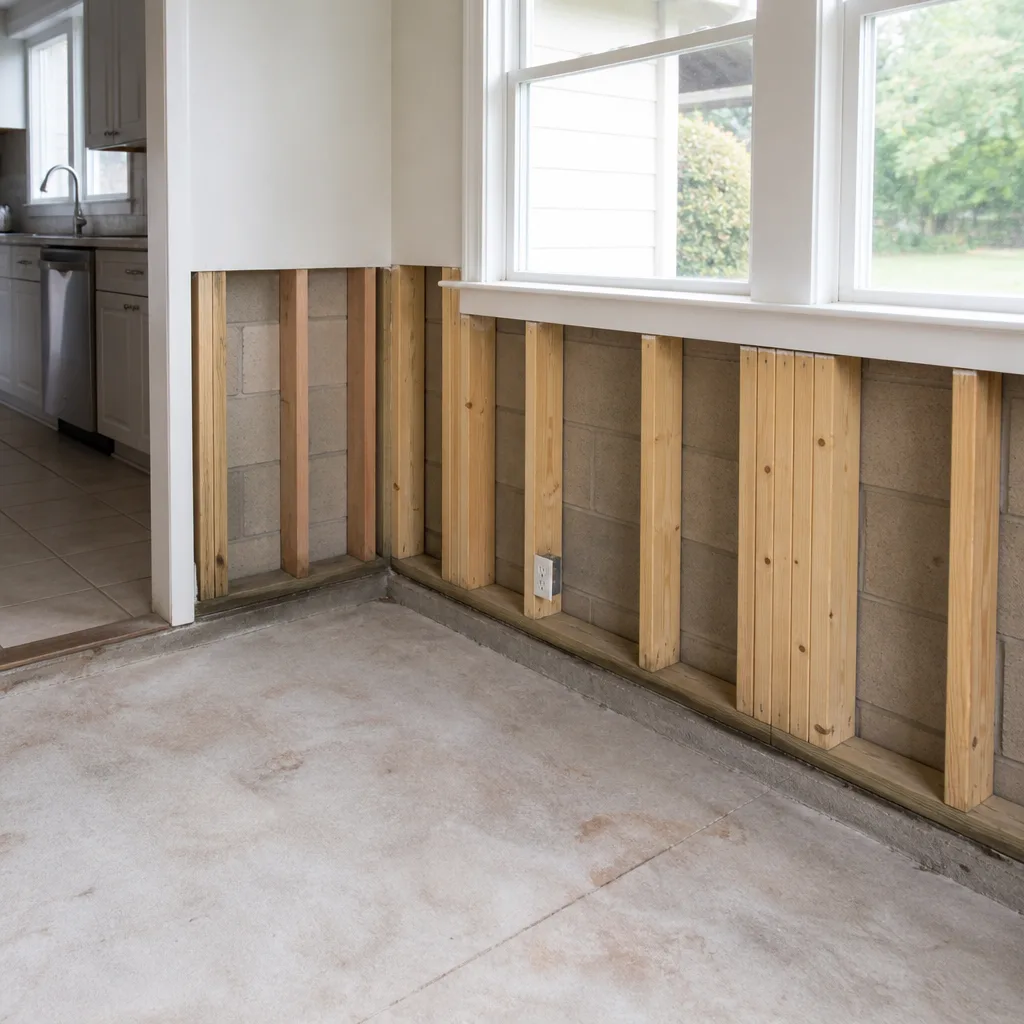 Mold remediation
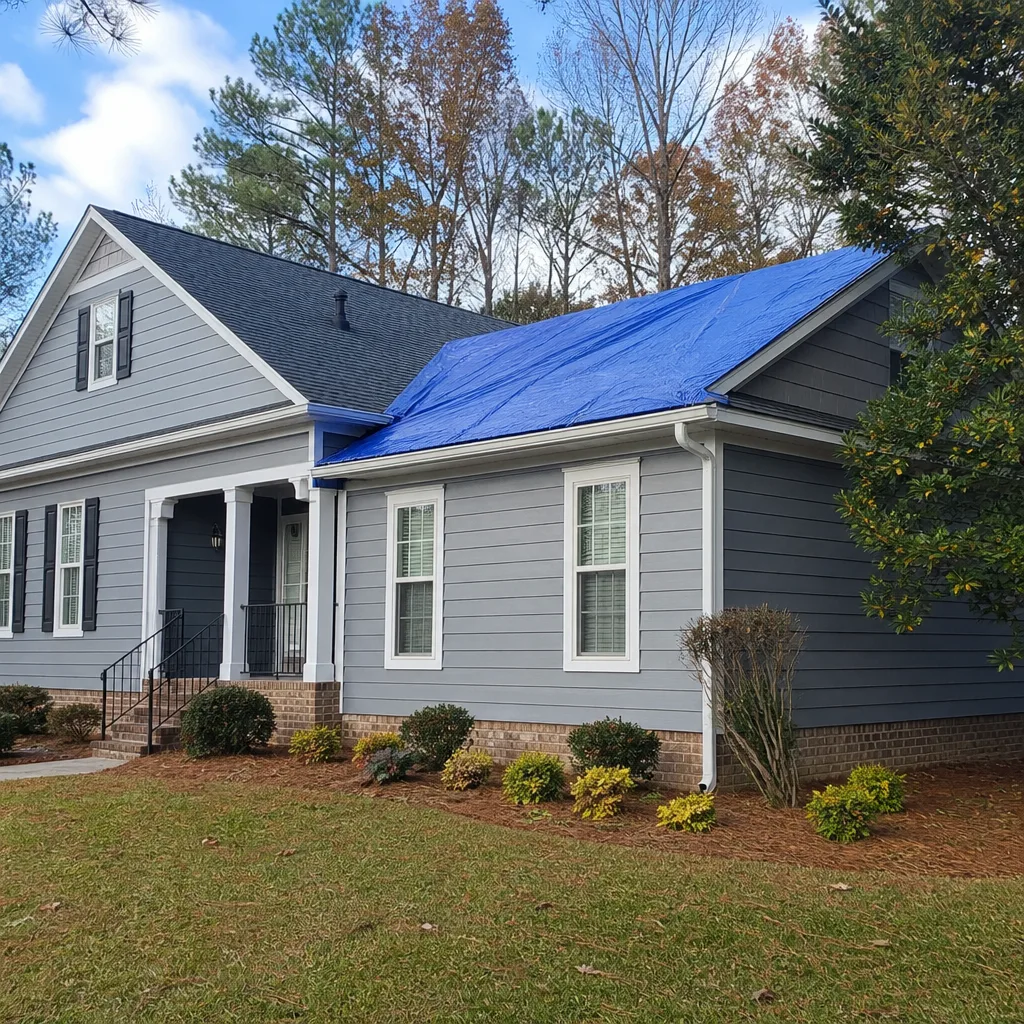 Storm response
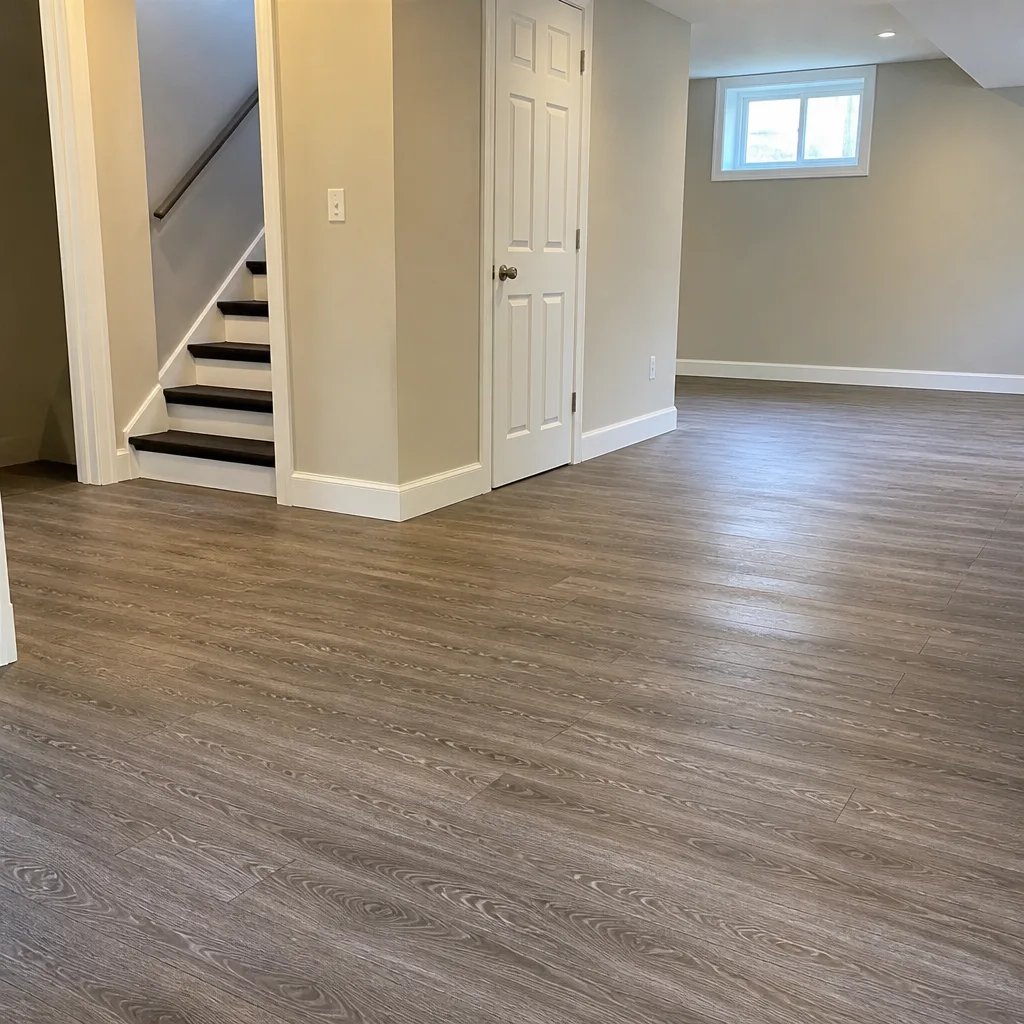 Sewage cleanup
 Reconstruction
Free visual inspection and a written scope of work before any mitigation begins - photos, moisture readings, and drying logs go in your claim file
The scope we write is the scope we bill. Anything new gets shown to you, in writing, before we touch it.
Get your free estimateDamage Restoration Permits, Codes & Inspections in CA: What You Need to Know
A restoration job that removes and replaces more than 50% of a wall assembly in California typically triggers a building permit, yet fewer than one in three restoration contractors proactively explains this threshold to homeowners before starting demolition. That silence has consequences. Unpermitted work creates a title defect that can surface at resale, and it can block a future insurance claim when an adjuster discovers structural changes were made without a final inspection sign-off. This guide is written from the ground level in Rialto, where we deal with San Bernardino County and City of Rialto Building & Safety requirements on actual water, mold, and fire damage jobs every month. You’ll learn exactly what triggers a permit, what doesn’t, and how to document every step so your house doesn’t carry a hidden liability into its next chapter.
Restoration work we handle
Quick Answer
In California, damage restoration work requires a building permit when the scope exceeds cosmetic repair. This includes replacing more than 50% of a wall assembly, modifying structural framing, moving or replacing electrical or plumbing systems, or altering exterior wall insulation or vapor barriers to meet current Title 24 energy code. Minor repairs like drywall patching, carpet replacement, and surface mold cleaning typically do not require a permit, though you can find more detail in our Damage Restoration Warning Signs: A Rialto Homeowner’s Reference Guide. Homes in Rialto built before 1980 may also require a separate public health notification for asbestos or lead-based paint disturbance, even when a building permit is not triggered.
Table of Contents
- When a Restoration Permit Is Actually Triggered in Rialto
- Building Permit vs. Public Health Notification: Two Different Systems
- How Title 24 Energy Code Changes What Restoration Means
- Certificate of Occupancy, Final Inspections, and Your Insurance Policy
- Cal/OSHA Requirements for Pre-1980 Rialto Homes
- Mold Remediation: When It Triggers a Permit and When It Doesn’t
- Step-by-Step: The Rialto Permit Process for Restoration Work
- Common Mistakes to Avoid
- When to Call a Professional
- Frequently Asked Questions
- The Bottom Line
When a Restoration Permit Is Actually Triggered in Rialto
The City of Rialto Building & Safety division, like most code enforcement bodies in San Bernardino County, follows the California Building Code (CBC) with local amendments. The permit trigger for restoration work is not emotional. It’s mechanical. If you remove and replace a wall assembly down to the studs, you’re working on the structural enclosure of the home. Once that replacement exceeds 50% of any single wall assembly in area, a building permit is required. The same applies to ceiling assemblies, roof sheathing, and any subfloor that has been structurally compromised by prolonged water exposure.
The 50% threshold is the most misunderstood number in the restoration industry. Contractors who do not explain it are not doing you a favor by skipping the permit. They are transferring legal and financial risk to you. The city keeps records. When a building inspector reviews a permit application and finds evidence of unpermitted structural changes, the homeowner is responsible for correcting the violation, not the contractor who walked away.
Here is what actually triggers a restoration permit in Rialto:
- Structural framing repair or replacement – any modification to studs, joists, beams, headers, or wall sheathing.
- Drywall replacement exceeding 50% of a wall or ceiling assembly – this includes water-damaged drywall removal down to the studs followed by rehanging and finishing.
- Electrical system work – any rewiring, panel changes, or circuit restoration after water or fire exposure. A separate electrical permit is required.
- Plumbing system replacement – re-piping, water heater replacement after flooding, or fixture re-plumbing. A plumbing permit applies.
- Reroofing or roof sheathing replacement – fire-damaged roof sections or storm-damaged sheathing require a re-roof permit.
- HVAC ductwork replacement – fire and smoke damage that requires complete duct replacement typically triggers a mechanical permit.
What does not trigger a permit is equally important to know. Cosmetic repairs are exempt. Patching small drywall holes, painting, replacing carpet or pad, refinishing hardwood, and surface mold cleaning on non-porous surfaces do not require a building permit in Rialto. The distinction is scope. If the repair is aesthetic and does not affect the structural enclosure, the mechanical systems, or the building envelope, the city does not need to inspect it.
One local factor we see repeatedly in Rialto: homes built during the 1980s and 1990s construction boom along the I-210 corridor often have stucco exteriors over wood framing. Water intrusion behind stucco is common after heavy rain seasons. When that happens, the wall assembly is opened from the inside, insulation is replaced, and the wall is closed back up. That is a structural envelope repair. If more than half the wall is opened, the permit is triggered. We consistently see contractors claim it’s “just drywall replacement” when the scope clearly crosses the threshold. That distinction matters more than most homeowners realize.
The Water Damage Restoration in Rialto work we do regularly involves this exact judgment call. The permit trigger depends on what we find after the moisture mapping is done and the drying plan is set. In some cases, our Injectidry cavity-drying systems let us dry wall assemblies without removing more than a small access point, which keeps the scope below the 50% threshold and avoids an unnecessary permit. In others, the damage is too advanced and a permit becomes the only legal path forward.
Building Permit vs. Public Health Notification: Two Different Systems
The single biggest source of confusion in Rialto restoration work is the difference between a building permit and a public health notification. They are issued by different agencies, triggered by different conditions, and failure to comply carries different penalties. A building permit is issued by the City of Rialto Building & Safety division or San Bernardino County Land Use Services for unincorporated areas. A public health notification for asbestos or mold abatement is governed by San Bernardino County Environmental Health Services and Cal/OSHA worker safety rules.
The practical difference is this: you can have a restoration job that requires zero building permits but still legally requires an asbestos inspection and notification because the home was built before 1980. Rialto’s older neighborhoods, especially the homes built between 1950 and 1975 near downtown and the areas around Rialto High School, contain significant amounts of asbestos-containing materials. Joint compound, popcorn ceilings, vinyl floor tiles, and pipe insulation from that era frequently contain asbestos. If your water damage or fire damage restoration disturbs those materials, a public health notification and certified asbestos abatement protocol may apply, even if no building permit is needed.
The following home vintages in Rialto typically need different levels of scrutiny:
- Pre-1980 homes – likely to contain asbestos and lead-based paint. Full asbestos survey required before demolition of any wall, ceiling, or floor covering. Lead-safe work practices required for any surface disturbance above 6 square feet inside or 20 square feet outside.
- 1980-1990 homes – reduced but not eliminated asbestos risk. Some building materials were phased out gradually. Selective sampling recommended.
- Post-1990 homes – asbestos generally absent from common building materials. No public health notification needed for standard restoration scope.
Here is the order of operations we recommend for any Rialto restoration project:
- Determine the home’s build year using county assessor records.
- If pre-1980, commission an asbestos inspection from a certified inspector before any demolition begins.
- File the building permit application if structural scope exceeds the 50% threshold or includes mechanical, electrical, or plumbing work.
- Submit the public health notification to San Bernardino County Environmental Health Services if asbestos abatement is required.
- Schedule all work so the abatement is completed and cleared before restoration crews enter the containment zone.
Failing to file the public health notification is a serious violation. The penalties in San Bernardino County can run into the thousands of dollars per day of noncompliance. More importantly, the health consequences of improper asbestos disturbance are not theoretical. We take this seriously on every pre-1980 job, and any contractor who waves it off is not acting in your interest.
How Title 24 Energy Code Changes What Restoration Means
California’s Title 24 energy code quietly rewrites the scope of restoration work in ways most homeowners never discover until an inspector explains it. The rule is simple but consequential: if your restoration project involves replacing insulation, vapor barriers, or exterior wall assemblies that are part of the building’s thermal envelope, the replacement must comply with current Title 24 requirements, not the standards that applied when the home was originally built. This means a 1970s Rialto home with R-11 wall insulation cannot simply have new R-11 insulation stuffed back in. The current code requires higher R-values, which often means changing the wall cavity depth or adding continuous exterior insulation.
This is where restoration work bleeds into remodel territory. A straightforward water damage repair that opens an exterior wall and removes wet insulation becomes a Title 24 compliance project the moment you put new insulation back. The R-value requirements for Rialto, which sits in California Climate Zone 10, call for specific minimum performance levels. If the inspector finds non-compliant insulation, the final sign-off is withheld. No final sign-off means no closed permit. No closed permit means exactly the title defect and insurance complication we discussed earlier.
Here are the Title 24 intersections that most often affect Rialto restoration jobs:
- Exterior wall insulation replacement – must meet current Climate Zone 10 R-value requirements.
- Vapor barrier replacement – new moisture control layers must meet current building envelope standards. Failed vapor barriers are one of the most common repeated-loss problems we see in Rialto’s stucco homes.
- Window replacement after fire or water damage – new windows must meet Title 24 fenestration standards. This applies even if you’re replacing like-for-like.
- Ductwork replacement – new ducts must meet current sealing and insulation standards. Leaky ducts are a known efficiency killer, and the code now mandates specific leakage testing on most replacements.
The practical advice is this: when a restoration estimate includes “insulation replacement” or “vapor barrier replacement,” ask the contractor to confirm in writing that the materials meet current Title 24 standards, not just match what was there before. The city will check. In Mold Remediation in Rialto jobs where we remove contaminated insulation from exterior walls, we include the Title 24 compliance analysis as part of the written scope, not as an afterthought. That’s the difference between a job that closes cleanly and one that stalls at final inspection.
Certificate of Occupancy, Final Inspections, and Your Insurance Policy
A Certificate of Occupancy is a document that confirms a building is safe and compliant for its intended use. In restoration work, the equivalent is the final inspection sign-off from the City of Rialto Building & Safety division. When a permitted restoration project passes its final inspection, the permit record is closed and the work becomes part of the home’s official building history. That record is what your homeowner’s insurance carrier sees when it evaluates future claims.
Here is the uncomfortable truth: if permitted work was completed but never received a final sign-off, your insurance company can interpret that as an open, unresolved building code issue. When you file a future claim on a different part of the house, the adjuster may note the open permit and use it as grounds for claim denial. The policy language is broad enough that “failure to maintain the property in compliance with applicable building codes” becomes a material misrepresentation. You never think about the permit until it costs you a claim.
What closed permits mean for your insurance policy going forward:
- Documented compliance – a closed permit record shows the insurer that changes to the home were reviewed and approved by the building department.
- No title defect – an open or missing permit becomes a disclosure item during a future sale. Buyers pull permit history, and unpermitted structural work routinely kills deals or forces price concessions.
- Clean insurance history – when a claim is filed on a home with closed, inspected permits, the adjuster’s review is straightforward. No closed permit? The review gets adversarial.
- Future renovation credibility – any future permitted addition or remodel is easier when the existing building history is clean.
The sequence that protects you is simple but rarely followed without prompting:
- File the permit before work begins.
- Schedule and pass all required inspections (rough, electrical, plumbing, insulation, final).
- Receive the final sign-off and written confirmation of permit closure.
- Store that documentation with your closing documents, insurance policy, and any home warranty materials.
We see the breakdown at step 3 most often. The restoration work is finished, the homeowner moves back in, and nobody follows up on the final inspection. The permit stays open for years. Then the house goes up for sale, the buyer’s agent pulls permits, and the deal enters a tailspin. If you take one action from this guide, it’s this: do not let a restoration permit stay open. Close it.
Cal/OSHA Requirements for Pre-1980 Rialto Homes
When a restoration contractor’s crew performs work that may disturb asbestos-containing materials in a Rialto home built before 1980, Cal/OSHA rules apply directly to the workers and indirectly to you. The contractor must conduct an asbestos survey before any demolition or disturbance. The crew must receive asbestos awareness training. If the materials contain more than 0.1% asbestos and the work will disturb more than 100 square feet, a Cal/OSHA-registered asbestos abatement contractor must perform the removal. The homeowner cannot legally just have a general restoration crew tear out the material and bag it.
The distinction matters because liability flows both ways. If a property owner knowingly allows unlicensed asbestos work, they may face regulatory fines and civil liability for worker exposure. In Rialto, where pre-1980 housing stock is common, this is not a rare edge case. It’s a regular part of water damage and fire damage restoration scope discussions.
What a compliant pre-1980 restoration job looks like:
- An asbestos inspection is performed by a certified individual or firm, with samples sent to a lab.
- If asbestos is found and will be disturbed above threshold, the contractor files a notification with the local Cal/OSHA district office.
- An asbestos abatement contractor sets up proper containment, negative air pressure, and worker protection.
- Air monitoring confirms clearance before non-asbestos crews re-enter.
- Waste is double-bagged, labeled, and disposed of at an approved facility.
This adds cost and time to the job. It should. Asbestos exposure causes mesothelioma and asbestosis. There is no safe exposure level, and cutting corners on abatement in occupied homes is exactly how clusters of disease happen. The Fire Damage Restoration in Rialto work we do frequently involves removing fire-damaged materials from older homes, and the asbestos question comes up before we write the first line of scope. That’s the correct sequence. Materials testing first, demolition second.
Mold Remediation: When It Triggers a Permit and When It Doesn’t
Mold remediation is the permit area where misinformation is most common. The state of California does not issue a “mold remediation permit.” Mold is not a structural element. The building permit system is designed around structural integrity, safety systems, and building envelope performance. Mold remediation triggers a building permit only when the contamination has compromised building materials to the point where structural repair or envelope replacement is required.
Here is the decision tree in practical terms:
- Surface mold on non-porous materials – no permit. Cleaning and sanitization are cosmetic. No structural impact.
- Mold on drywall with minor cutting (under 50% of a wall assembly) – no building permit. Replacement of small sections is considered minor repair.
- Mold-damaged drywall requiring removal of more than 50% of a wall assembly – building permit required. The wall enclosure is being rebuilt.
- Mold-affected insulation in exterior walls – building permit required due to Title 24 energy code compliance on the replacement insulation.
- Mold damage to structural framing requiring sistering or replacement – building permit required. This is structural repair.
- Mold contamination in HVAC ductwork requiring full replacement – mechanical permit required.
There is a second layer: the IICRC S520 standard for professional mold remediation. This is not a legal permit requirement, but it is the standard that defines what a competent mold remediation project looks like. Our IICRC-certified team follows S520 on every mold job, which requires containment, air scrubbers, HEPA filtration, and clearance testing. The building department won’t ask about it. Your insurance adjuster will. When a claim involves mold, adjusters look for evidence that professional standards were followed. If the contractor can’t demonstrate it, the claim gets harder to settle.
The State of California also maintains disclosure requirements for any property owner who knows of mold contamination and sells the property without disclosing it. This is not a permit, but it is a legal obligation that intersects with restoration work. Document everything.
Step-by-Step: The Rialto Permit Process for Restoration Work
Navigating the City of Rialto permit process for a restoration project is straightforward if you understand the sequence. The process moves through the Building & Safety division at Rialto City Hall, with additional reviews from San Bernardino County Environmental Health when applicable. Here is the path from initial damage to final sign-off:
- Scope assessment – a qualified restoration contractor evaluates the damage and determines whether the work crosses the 50% threshold, involves mechanical/electrical/plumbing systems, or affects the building envelope. This is where a written scope of work is created.
- Asbestos and lead testing for pre-1980 homes – if the home was built before 1980, materials testing is completed before any demolition. Results determine whether public health notification and abatement protocols apply.
- Permit application filed with City of Rialto Building & Safety – the application includes the scope of work, a site plan, and any structural or MEP drawings required by the project scale. Permit fees are calculated based on the valuation of the work.
- Plan review – simple restoration permits are typically reviewed over the counter or within a few days. Complex structural repairs may require a full plan review cycle.
- Rough inspection – after demolition and before closing up walls, the inspector reviews framing, electrical rough-in, plumbing, and insulation where applicable.
- Insulation and Title 24 inspection – when exterior walls are opened and insulation is replaced, the energy code compliance is verified at this stage.
- Final inspection – after all work is complete, the inspector does the final walkthrough. This is the step that closes the permit.
- Permit closure documentation – you receive written confirmation that the permit is closed. File it with your insurance and sale documents.
The timeline varies by scope. Simple drywall replacement permits in Rialto can close in a few weeks. Structural repairs on fire-damaged homes can take months. The point of the process is not speed. It’s integrity. A closed, inspected permit is the document that protects you from the title defect and insurance denial scenarios described above.
Common Mistakes to Avoid
- Assuming your contractor is handling permits without written confirmation. Verbal assurances do not hold up when the buyer’s agent finds an open permit three years later. Get the permit number in writing and confirm closure in writing.
- Treating the 50% rule as a technicality. Contractors routinely under-scope the work to stay below the threshold, then discover mid-demolition that framing or insulation replacement pushes it over. The scope should be written conservatively from day one.
- Skipping asbestos testing on pre-1980 Rialto homes. The cost of testing is small. The cost of improper disturbance is substantial and includes worker health liability.
- Replacing exterior wall insulation without checking Title 24 requirements. Putting old-spec insulation back in a newly-opened wall is a guaranteed inspection failure. The city checks.
- Letting the permit stay open after the work is done. An open permit is a title defect waiting to surface. Close it.
- Not documenting the pre-loss condition. If you don’t have photos of what the walls and framing looked like before the loss, the adjuster and the inspector are both working against you. Photo-document everything.
- Hiring a generalist contractor for a Title 24 compliance job. Restoration projects that cross into envelope and energy code territory need a contractor who understands California’s energy code, not just drywall replacement.
When to Call a Professional
Restoration permits are not a do-it-yourself exercise. The moment the scope involves structural framing, more than half a wall assembly, any electrical or plumbing work, or materials testing for asbestos, the right move is a professional team—see our How to Hire a Damage Restoration Contractor in Rialto: A Step-by-Step Guide—that has navigated Rialto’s permitting process before. The errors are not recoverable. A botched permit application delays the project for weeks. A missed asbestos notification creates regulatory exposure. A wall closed up before the rough inspection means tearing it back open. Trailblazer Water Damage offers free estimates in Rialto and we walk every job through the permit decision tree before any demolition starts. Call (866) 472-6137 and we’ll review your situation, including what does and does not require a permit, with no obligation.
Frequently Asked Questions
You need a permit only if the restoration work exceeds cosmetic repair, which typically means replacing more than 50% of a wall or ceiling assembly, modifying structural framing, or touching electrical, plumbing, or HVAC systems. Most water damage restoration involving drying and minor drywall patching does not require a permit. Call (866) 472-6137 for a free assessment of your specific situation.
Yes, in most cases. Homeowner’s insurance policies generally cover the building permit fees and inspection costs associated with covered restoration work, because they are a necessary part of returning the home to its pre-loss condition. The key is to have the permit scope written to match the insurance claim scope. Photo documentation and a clean written scope make the difference when the adjuster reviews the file.
You will be required to disclose unpermitted work during the sale, and most buyers will demand either a retroactive permit process or a price reduction. Unpermitted structural work on a disclosure statement routinely kills deals or forces concessions, and if you fail to disclose, the buyer may pursue legal remedies after closing. The cost of a permit is always less than the cost of an undisclosed title defect.
Mold remediation requires a building permit only when the contamination has damaged enough of the building assembly that structural repair or insulation replacement is required. Surface mold cleaning and small drywall sections are generally exempt. The IICRC S520 standard still applies to how the remediation is performed, even when no permit is required.
Any exterior wall, ceiling, or ductwork that is opened and rebuilt as part of restoration must meet current California Title 24 energy code requirements, which for Rialto’s Climate Zone 10 means specific minimum R-values for insulation and sealing standards for ducts. This applies even if the home was built to older standards. The inspector will verify compliance before signing off.
A restoration contractor that works at insurance-adjuster level will handle both: filing the permit, coordinating inspections, providing photo documentation to the adjuster, and ensuring the claim scope matches the permit scope. This is not a task you should coordinate alone between two parties who speak different languages. We handle both sides on every Rialto job.
The Bottom Line
California’s restoration permit system exists to ensure that a home that has been through water, fire, or mold damage is returned to a safe, compliant condition. In Rialto, the key thresholds are the 50% wall assembly rule, the pre-1980 asbestos and lead notification requirement, and the Title 24 energy code compliance for any envelope work. Closed permits protect your insurance policy and your resale value. Open permits destroy both. The work is not complicated once you understand the decision tree, but the consequences of skipping a step are permanent; for ongoing support, explore our more guides & resources. Get the scope written correctly, file the right paperwork, pass the inspections, and close the permit. That’s the entire game.
Written by the team at Trailblazer Water Damage, serving Rialto since 2013.
See the difference
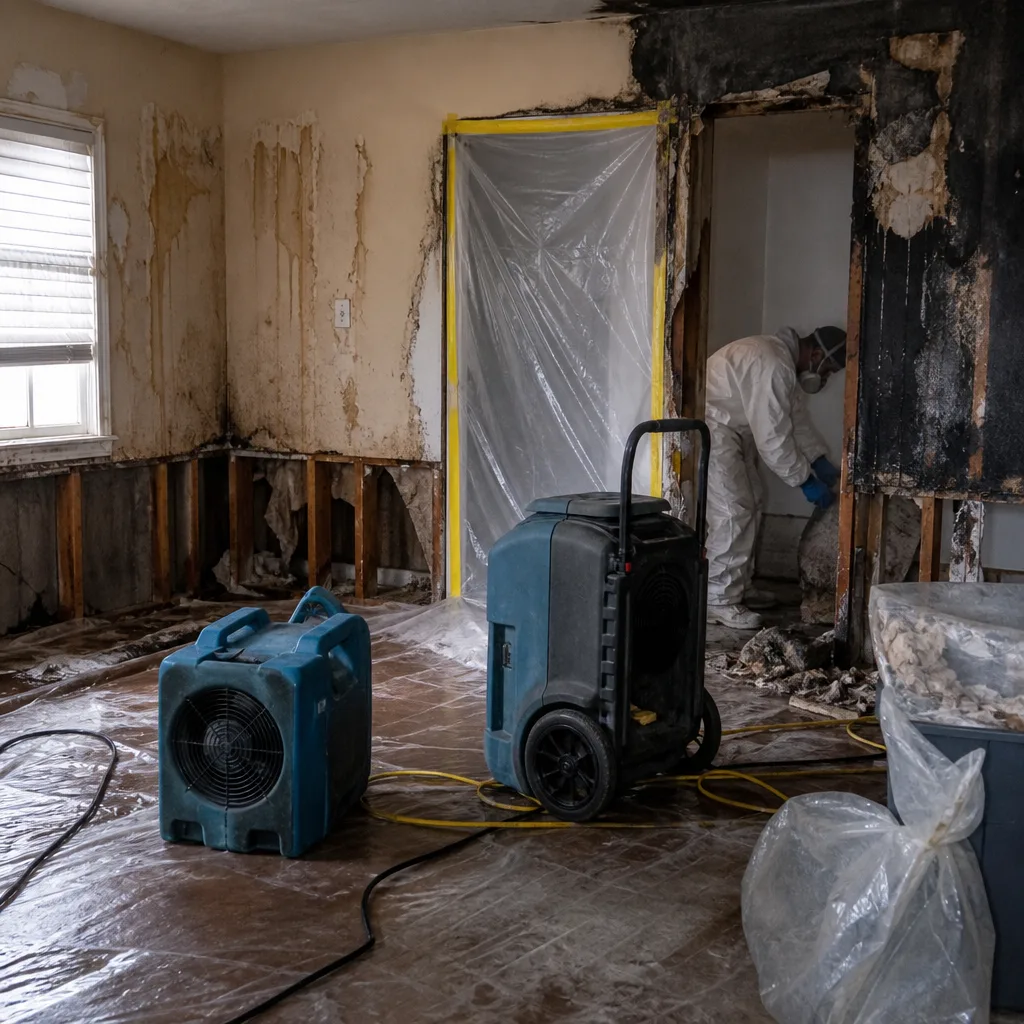 Before
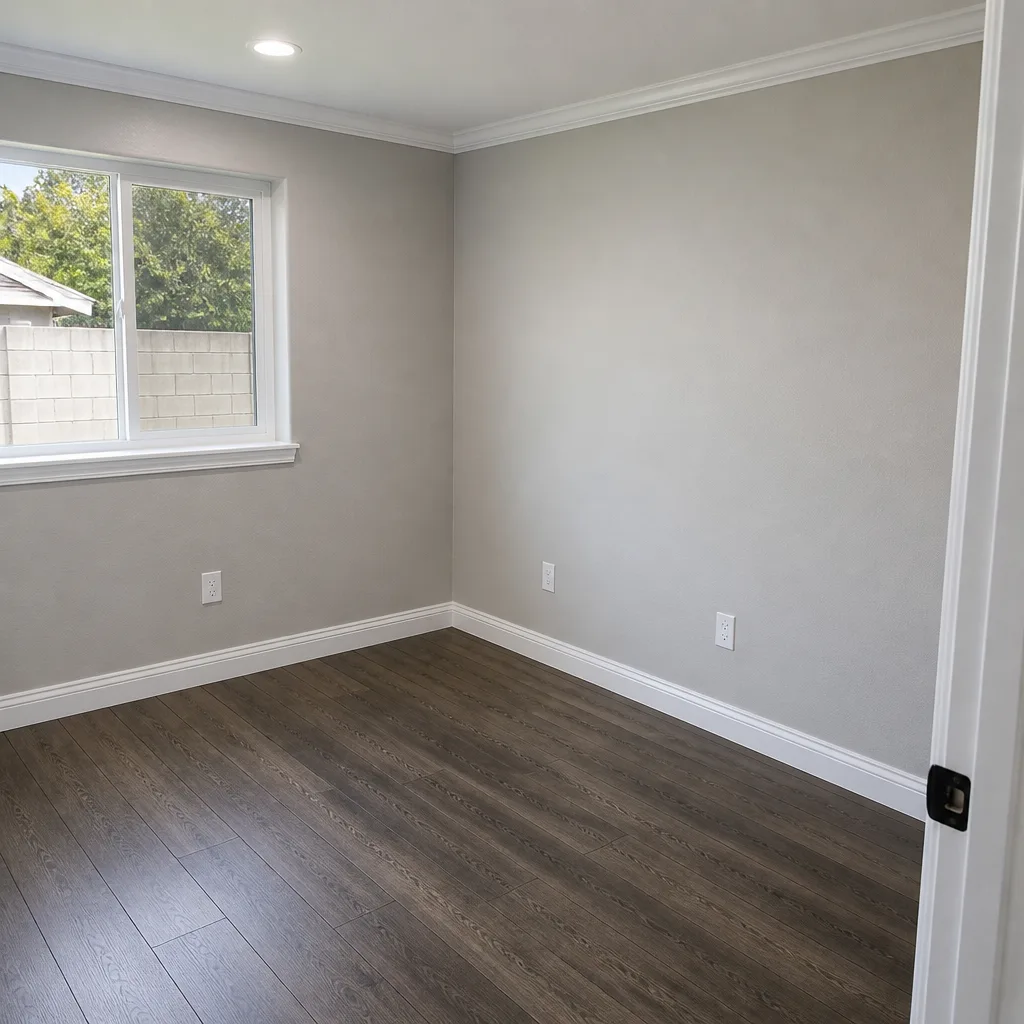 After
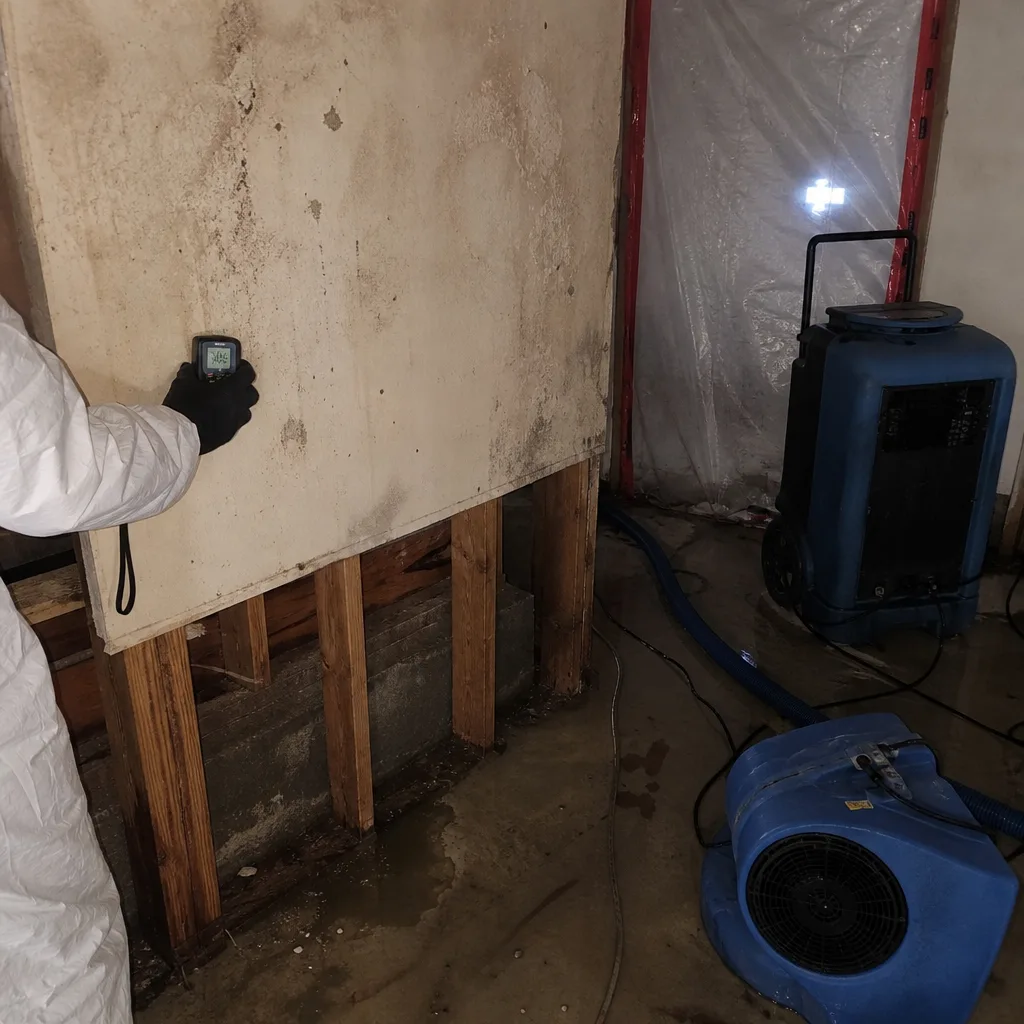 Before
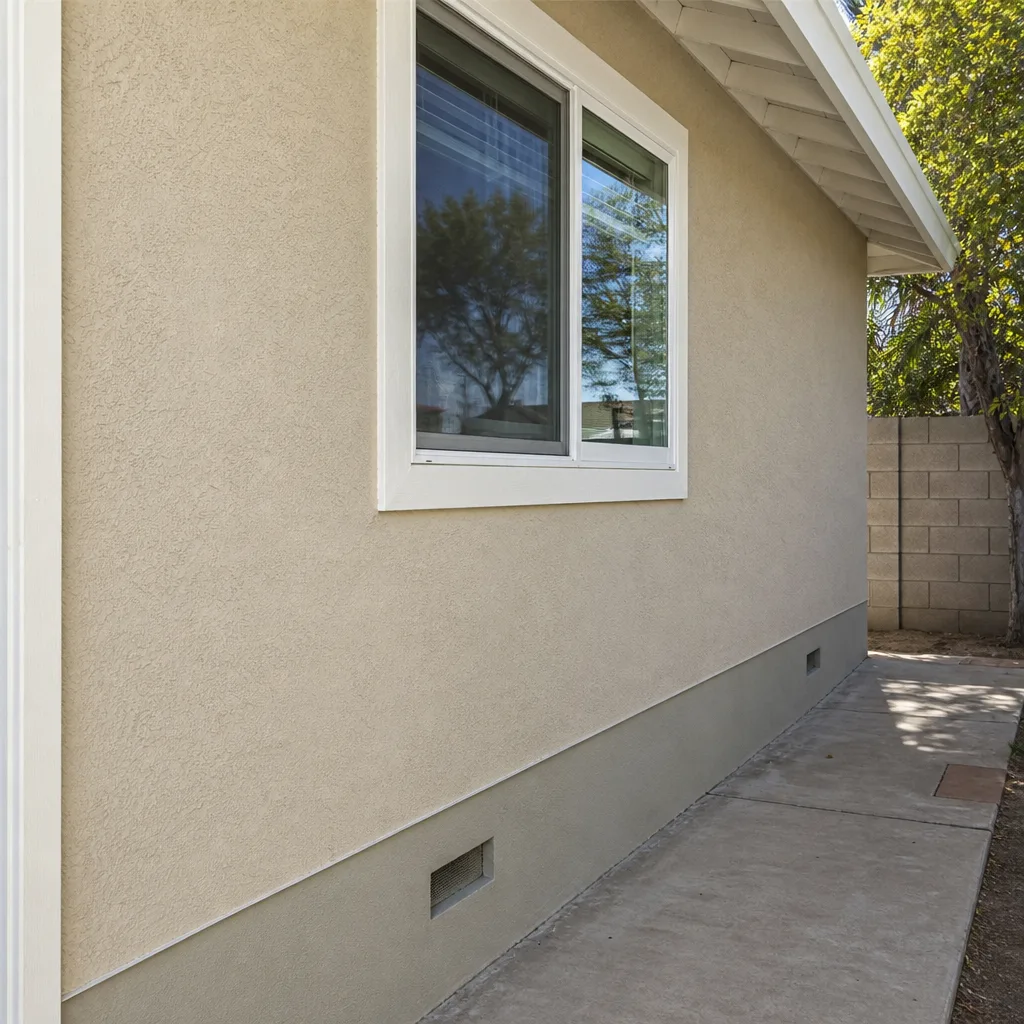 After
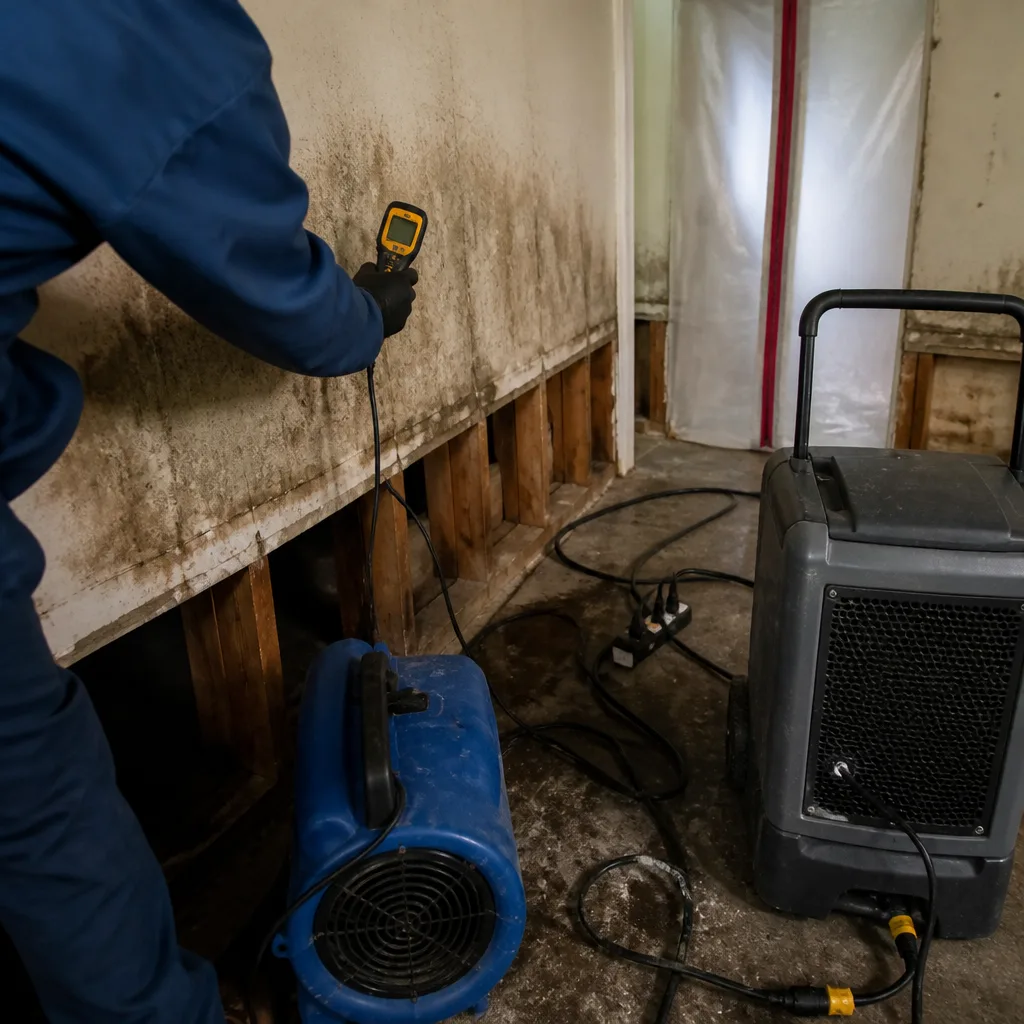 Before
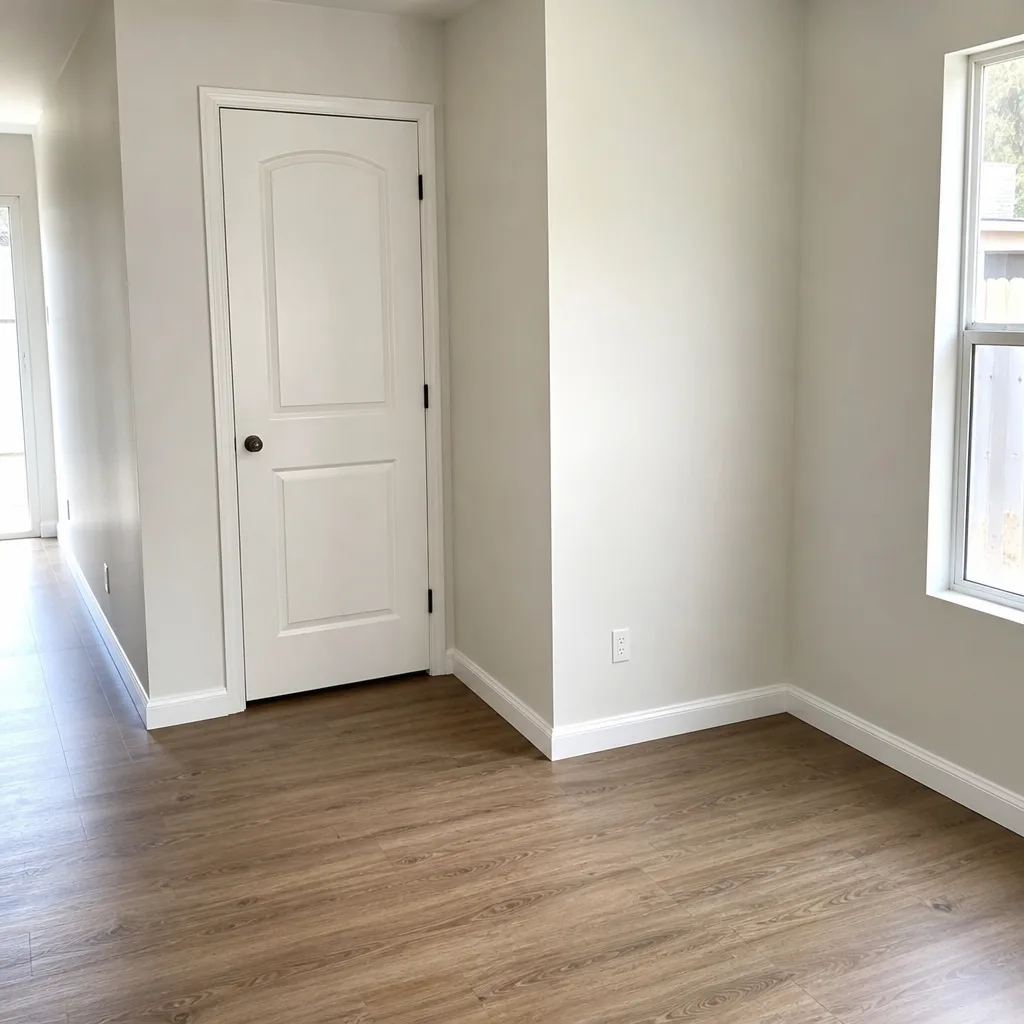 After