
Last updated October 30, 2026
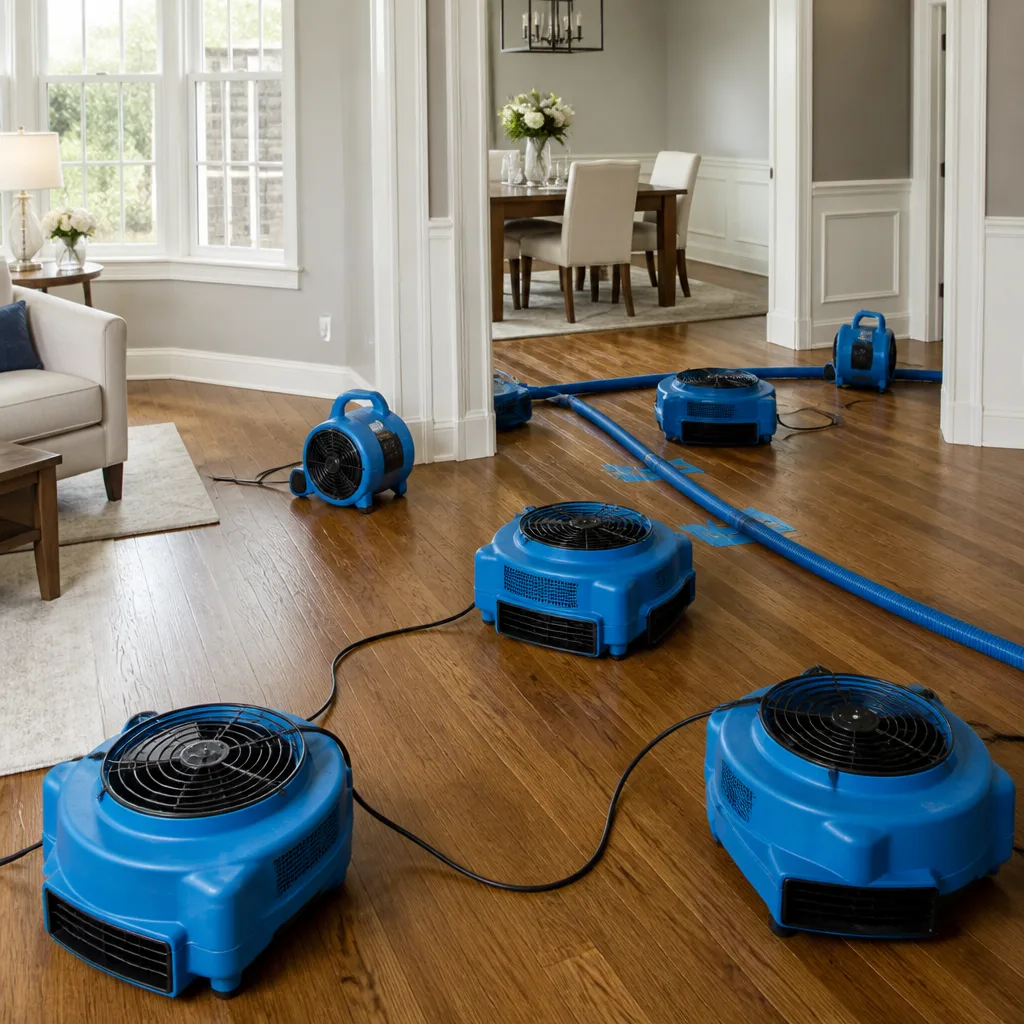 Water damage drying
 Fire & smoke cleanup
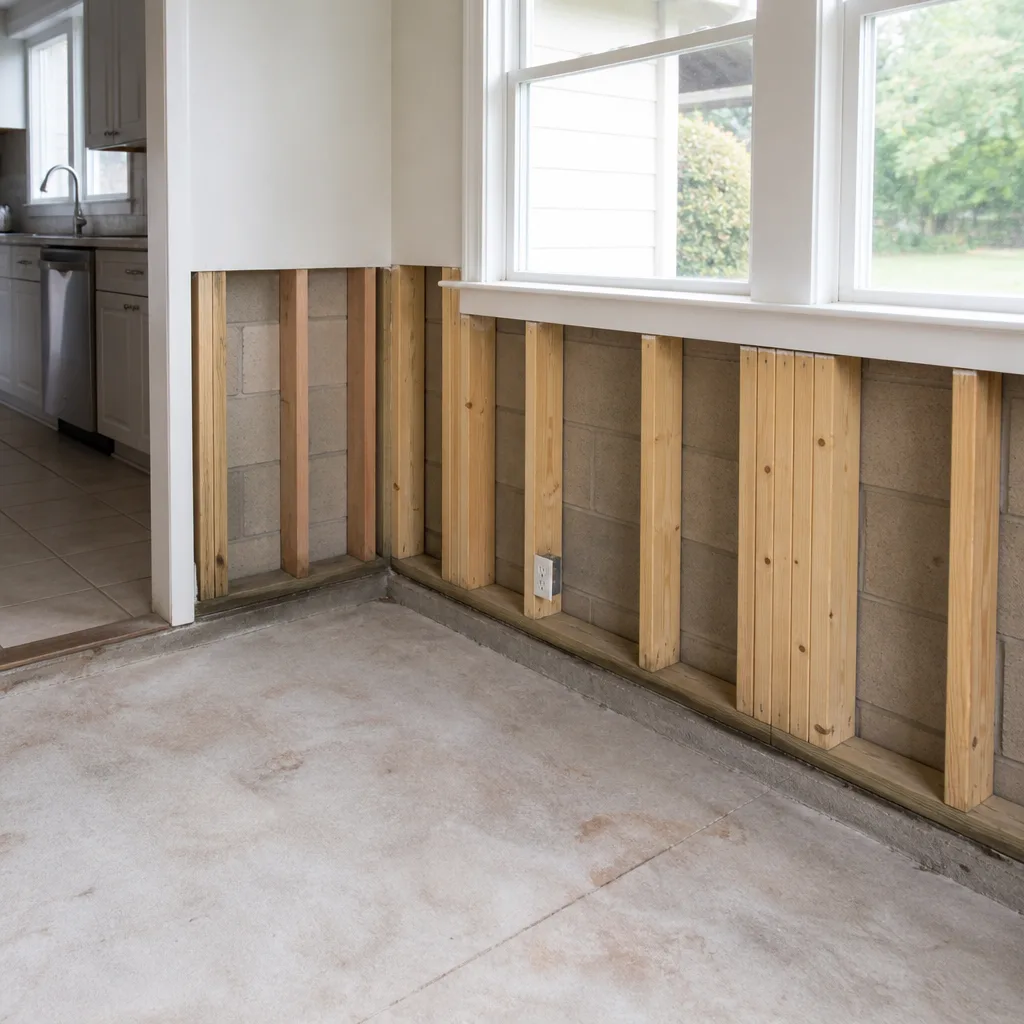 Mold remediation
 Storm response
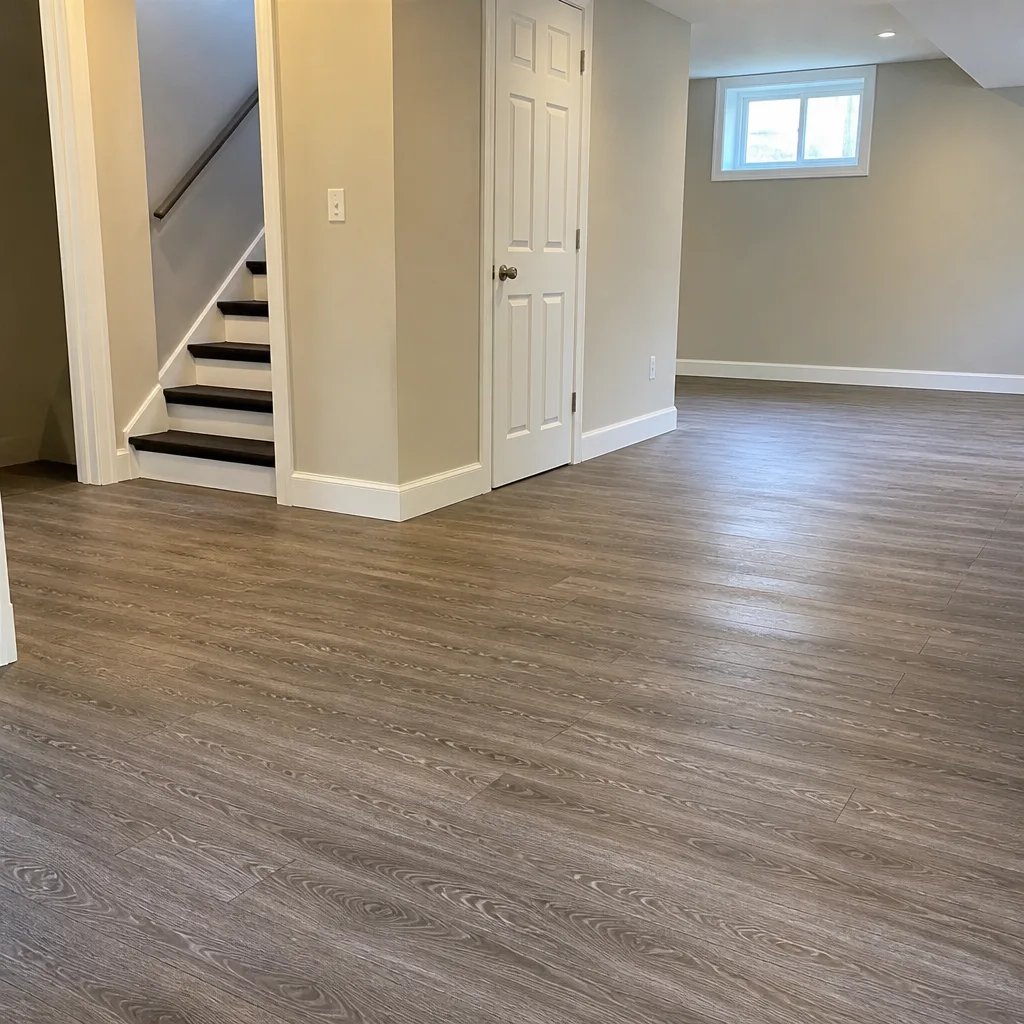 Sewage cleanup
 Reconstruction
Free visual inspection and a written scope of work before any mitigation begins - photos, moisture readings, and drying logs go in your claim file
The scope we write is the scope we bill. Anything new gets shown to you, in writing, before we touch it.
Get your free estimateDamage Restoration Warning Signs: A Rialto Homeowner’s Reference Guide
Most Rialto homeowners don’t discover water damage by finding a puddle. They find it in the way a baseboard has slowly separated from the wall, or in a faint yellow bloom on a ceiling they glance at every day without really seeing. By the time damage becomes visually obvious, the moisture has usually been active for weeks or months, moving through drywall, wicking up studs, and creating the conditions where mold colonies establish themselves. This guide is built from what our IICRC-certified team sees on arrival: the diagnostic logic that separates a cosmetic blemish from an active failure, the Rialto-specific construction quirks that hide moisture, and the triage decisions that determine whether you’re facing a weekend project or an emergency call tonight. For seasonal damage restoration care in Rialto, staying ahead of these patterns is key.
Quick Answer
The most reliable early warning signs of hidden water damage in a Rialto home are: a persistent musty odor in a closed room, staining that changes color or grows over time, hardwood or laminate flooring that cups or lifts at the seams, vinyl flooring that peels at the edges, and rising indoor humidity that won’t respond to thermostat adjustments. Any single sign warrants investigation; two or more signs appearing together almost always indicates an active moisture source that needs professional assessment. If the signs involve visible mold growth larger than a dinner plate, a sewage smell, or water that’s actively running, that’s a same-day call, not a scheduled inspection.
Restoration work we handle
Table of Contents
- Why a Musty Odor Is Not a Housekeeping Problem
- How to Read a Water Stain: The Visual Triage Framework
- What Your Floors Are Trying to Tell You
- The Stucco Weep Screed Problem in Rialto Homes
- Three HVAC Warning Signs That Precede Visible Water
- The Triage Decision Tree: Emergency Call or Scheduled Inspection?
- Why Drying Technique Matters: Demolition vs. Cavity Drying
- What to Document Before Anyone Touches Anything
Why a Musty Odor Is Not a Housekeeping Problem
A closed bedroom in a Rialto home that smells “a little stuffy” but has no visible water is frequently the first and only warning sign of microbial amplification happening inside a wall cavity. That odor isn’t stale air. It’s the volatile organic compounds released by actively growing mold colonies. When our technicians use a thermal imaging camera and moisture meter on a room with this presentation, we find elevated moisture in wall cavities or under flooring in roughly eight out of ten cases.
The biological timeline matters here. Mold requires three things: a food source (drywall paper, wood, carpet backing), a temperature between about 40°F and 100°F, and sustained moisture. Rialto’s warm climate means the temperature condition is met year-round. Once a plumbing leak, roof penetration, or condensation source introduces moisture, spore germination can begin within 24 to 48 hours. The odor you’re smelling is the signature of a colony that has already established itself.
Here’s what this means for a homeowner: if you can smell it, you’re past the prevention stage. The question is no longer whether you have a problem, but how far the problem extends. In our experience, odor-presenting damage is the single most common scenario where homeowners delay, assuming the smell will dissipate with ventilation. It won’t. Ventilation temporarily masks the symptom while the moisture source and the colony continue to grow.
Two specific odor presentations are worth knowing. A general “musty” smell without a clear epicenter often indicates moisture in a crawl space or attic, traveling through the building envelope. A sharp, earthy smell localized to one room or one wall corner almost always indicates a point-source leak inside that wall. Both warrant a professional assessment with moisture metering, not a room deodorizer.
How to Read a Water Stain: The Visual Triage Framework
When we arrive at a water damage restoration in Rialto call, the first thing we do is walk the perimeter of every staining pattern with a moisture meter. Stains are historical records. They tell you where water has been, how long it was there, and in many cases whether it’s still active. Learning to read them gives a homeowner a significant head start.
- Active stains have a dark, defined edge and feel cool or damp. An active leak produces a stain that’s dark at its center, with a visible gradient that fades toward the edges. The stain is growing, changing shape, or developing satellite spots over the course of days or weeks.
- Historical stains are uniform in color and have a hard, watermarked edge. These stains ring like dried lakebeds: a distinct ring where water once pooled, with no change in size, color, or texture over time. They’re cosmetic unless you have reason to believe the original source was never fixed.
- Yellow-brown ceiling stains typically indicate a slow, intermittent leak. Roof flashing failures, loose pipe fittings, or a condensation drip from an attic AC line produce this pattern. The stain will darken after every rain or hot humid spell if the source is still active.
- Gray or green-black staining on drywall is a biological indicator. This is mold growth presenting on the surface, and it means the moisture has been present long enough for colonies to form. Surface mold on drywall is almost never a surface-only problem; the paper layer of drywall is porous and the colony likely extends behind the visible area.
The color gradient tells you more than the size. A large, uniformly faded stain with a crisp ring is historically active but currently dry, which is a lower-urgency finding. A small stain that’s dark in the center with a spreading edge is active, and size understates the damage because moisture travels laterally through drywall and insulation before it ever presents on the surface.
What Your Floors Are Trying to Tell You
Flooring is the canary in the coal mine for hidden moisture in Rialto homes. Different flooring materials respond to elevated moisture in specific, predictable ways, and reading these behaviors gives you a map to the moisture source.
Cupped hardwood is the classic indicator: boards that are higher at the edges than the center, creating a “U” shape across the floor. This happens when the underside of the boards absorbs moisture from below while the top surface remains drier. The moisture is underneath the flooring, which means you’re looking at a slab leak, a crawl space humidity problem, or a supply line leak under the subfloor. Cupping doesn’t identify which one, but it narrows the search area.
Soft spots or crumbling grout in tile indicate that the substrate beneath the tile is losing structural integrity. Tile itself doesn’t soften, but the thinset and underlayment below it will when saturated. If you tap a tile with a screwdriver handle and hear a higher-pitched, hollow sound compared to surrounding tiles, that’s a bond failure caused by moisture. In Rialto’s clay-heavy soil zones, slab movement from seasonal expansion can also crack grout, but cracked grout that’s accompanied by any mustiness or staining is a moisture issue, not just a settling issue.
Vinyl or laminate lifting at the seams is a moisture problem in progress. These materials are formatted in sheets or planks that are glued or clicked together. When the adhesive fails at the seams and the edges begin to curl, moisture is penetrating from underneath or from a spill that was never fully dried. Once the seams lift, moisture moves freely across the entire floor cavity, and the original source may be far from where the curling appears.
Rialto’s summer temperatures accelerate one specific failure mode: slab-on-grade homes with a plumbing leak under the slab can develop hydrostatic pressure that pushes moisture up through concrete. Homes built on slab foundations, common throughout the city’s 1970s through 1990s tracts, are particularly vulnerable because there’s no crawl space to buffer groundwater and sub-slab moisture. The first sign is often a floor that feels warmer than it should in one spot, or a humidity spike in a room with no water fixtures.
The Stucco Weep Screed Problem in Rialto Homes
Rialto’s housing stock includes a significant number of stucco-clad homes built in the 1980s and 1990s. These homes share a construction detail that’s become one of the most common hidden moisture sources we diagnose: the weep screed gap.
A weep screed is a metal flashing installed at the base of a stucco wall. It’s designed to create a gap where moisture that penetrates the stucco can drain out and air can circulate behind the wall assembly. The gap sits roughly two to three inches above the finished grade. When it’s working, the weep screed quietly dries the wall cavity after every rain and every sprinkler cycle.
The problem is what happens over two or three decades in a dry, dusty climate. Rialto’s fine, wind-blown dust and the natural settlement of the grade around the foundation gradually fill that gap. Landscaping mulch, blown against the foundation by gardeners, compounds the problem. Once the weep screed gap is filled with debris, the wall cavity loses its drainage path. Stucco is porous; water penetrates the surface, moves down through the wall cavity, and now hits a blocked drain. It wicks upward into the sheathing and the bottom plates of the wall framing. The result is rot and mold growth inside a wall that looks perfectly intact from the outside.
Three signs indicate this problem is active in your home. First, wood trim or baseboards at the exterior wall are developing soft spots or darker staining near floor level. Second, you see efflorescence, a white chalky deposit, on the concrete slab near the stucco line, which is mineral residue left behind by evaporating moisture. Third, exterior paint is bubbling or peeling near the base of the stucco, which indicates moisture trying to escape through the paint film. If you see any of these, the fix starts with clearing the weep screed and assessing the wall cavity with moisture metering, not with repainting.
Three HVAC Warning Signs That Precede Visible Water
Air conditioning systems in Rialto run hard from May through October. The condensate system, which removes gallons of water from the air every day, is a frequent source of hidden moisture damage that presents long before a visible leak. Three specific signs tell you the condensate system is failing.
Rust streaks below the air handler. The air handler is the indoor unit, typically located in a hall closet, garage, or attic. When you see rust-colored streaking running down from the base of the unit or on the platform it sits on, that’s your signal that the condensate drain line or the drain pan has already overflowed at some point. The rust is oxidized metal from the cabinet or the pan. A single overflow event can saturate the flooring or drywall beneath the unit, and repeated overflows create ongoing moisture exposure in an enclosed space.
Biological growth visible in or around supply vents. Supply vents deliver conditioned air into the rooms. If you see dark spotting or a greenish film on the inside of the vent or on the ceiling around the vent opening, moisture is present in the supply ducts or at the point where the vent penetrates the ceiling. This often starts as condensation forming on the outside of the duct in a hot attic, which drips down and soaks the surrounding drywall. By the time growth is visible at the vent, it’s typically been forming for weeks.
Rising indoor humidity that doesn’t respond to thermostat settings. An AC system in good working order dehumidifies as it cools. If you notice that your home feels sticky or clammy even when the thermostat reads a comfortable temperature, or if a standalone hygrometer (available for under twenty dollars) consistently reads above 60% relative humidity, the system’s evaporator coil may be freezing intermittently, or the condensate may be backing up rather than draining. High indoor humidity feeds mold growth in every porous surface in the home. The same principles apply to indoor air quality, which is one reason we maintain our Trailblazer Water Damage home service standard around IFA-aligned air quality practices during every water and mold job.
The Triage Decision Tree: Emergency Call or Scheduled Inspection?
Not every warning sign is an 11 PM emergency, and over-responding creates its own stress and cost. Here’s the framework our team uses to triage calls in Rialto, and it works equally well for homeowners deciding whether to pick up the phone now or put it on tomorrow’s list.
Call immediately if any of these are present:
- Water is actively running, spraying, or pooling inside the home, even if the volume looks small. A pinhole supply line leak can release several gallons per hour, and every hour expands the water’s migration path.
- You smell sewage or a strong sulfur odor. This indicates a sanitary line failure or a dried-out P-trap allowing sewer gases into the living space. Sewage water is Category 3, requires specific personal protective equipment, and should never be handled as a DIY project.
- Visible mold growth covers an area larger than a dinner plate. At this size, the colony extends behind the visible surface, and disturbance spreads spores through the air.
- You hear dripping inside a wall or ceiling cavity. Active water movement inside a wall is actively saturating drywall and insulation; every hour counts for limiting restoration scope.
Schedule a professional assessment within the week if:
- You have a persistent musty odor without visible staining or active water. The source is hidden but it’s unlikely to change significantly in a few days, assuming you’re not running a leaking fixture.
- A stain has been present for months and isn’t growing or changing color. You may be looking at a historical issue that was already addressed, but confirming that with a moisture meter eliminates the guesswork.
- You’ve noticed slowly developing floor cupping, tile hollows, or vinyl lifting that hasn’t changed dramatically. Moisture is present, but the damage timeline is measured in weeks, not hours.
The key variable is whether water is actively entering the building at this moment. Active intrusion is an emergency. Dormant but unresolved moisture is urgent but schedulable. If you’re unsure which category you’re in, call and describe what you see, the mold remediation in Rialto team can help you make that call over the phone based on what you’re observing.
Why Drying Technique Matters: Demolition vs. Cavity Drying
The warning signs above tell you that you have a problem. The next decision, which restoration approach to use, determines how much of your home gets torn apart to fix it. Our DIY vs Professional Damage Restoration guide can help you weigh that choice.
The traditional approach to a wet wall cavity is demolition: cut out the drywall, remove the wet insulation, discard the materials, and rebuild from scratch. It’s effective, it’s fast, and it’s expensive. It also turns a one-room problem into a multi-trade project involving drywall, paint, and finish work.
There’s an alternative for many scenarios, and it’s one of the reasons we built our equipment fleet around systems like Injectidry. Cavity drying uses positive-pressure systems to dry the inside of wall and floor cavities through very small access points, without removing the finished surfaces. A Dri-Eaz LGR dehumidifier paired with a Phoenix air mover creates the airflow and moisture extraction needed to dry a wall cavity from the inside out. The finished surface stays intact. The insulation dries in place. The repair scope shrinks to whatever localized opening was needed to remove the source of the water and treat any biological growth.
This approach isn’t appropriate for every scenario. Category 3 water, which includes sewage and flood water, requires removal of saturated porous materials. Severely damaged drywall that has lost its structural integrity needs to come out regardless. But for many Category 1 and Category 2 situations, cavity drying saves Rialto homeowners thousands of dollars in reconstruction costs and weeks of construction timelines. When someone asks us why one quote includes full drywall replacement and another doesn’t, the answer is almost always about the drying technology, not the thoroughness of the work. The right equipment, properly deployed, is a less invasive path to the same dry, stable result.
What to Document Before Anyone Touches Anything
Here’s a practical step that costs nothing and protects your insurance claim: photograph everything before any remedial work begins, including your own cleaning. This isn’t about building a case against your insurer, it’s about creating an accurate record that both you and the adjuster can work from. Insurance adjusters, in our experience working alongside them on Rialto claims, respond well to organized documentation. It speeds up every step of the process.
- Photograph every stain, wet area, and damaged material from at least two distances. A wide shot showing the room context and a close shot showing surface detail. Include a reference object, a coin or a ruler, for scale.
- Photograph the suspected source before you or anyone else moves it. The pipe fitting, the roof penetration, the appliance connection, whatever you believe caused the issue. Once a plumber disconnects something, the evidence changes.
- Record a video walkthrough of the affected areas before any cleanup begins. Narrate what you’re seeing, when you first noticed it, and what you think the source might be. Verbal notes on video hold up better than memory when you’re filing a claim weeks later.
- Keep a simple log. Date noticed, date photographed, date reported to insurance, date each contractor arrived and what they did. A one-page note file is enough, and it becomes genuinely useful if questions arise later.
- Do not discard damaged materials until your adjuster has seen them or you’ve been cleared to do so. Damp carpet, cut-out drywall, and failed pipe sections are evidence. Bag them if they’re moldy, but retain them.
If you’re working with a restoration company, confirm that they provide photo documentation as part of their process. Our standard for every fire damage restoration in Rialto and water loss is a complete photo inventory with moisture readings logged at each step, from initial assessment through final clearance. That continuity of documentation makes the insurance conversation materially easier.
Common Mistakes to Avoid
- Treating a musty smell as a ventilation problem. Opening windows masks the symptom while the colony inside the wall keeps growing. If the smell returns after airing out, you have active biology, not stale air.
- Painting over water stains without addressing the source. Latex paint traps moisture and accelerates drywall degradation. The stain bleeds through within months, and the hidden damage keeps spreading behind the paint film.
- Assuming a dry stain means a fixed problem. Stains dry from the surface inward. A dry, crusty stain over drywall that’s still wet inside looks identical from the outside. Only a moisture meter confirms what’s actually happening.
- Ignoring floor changes, especially slab homes. Rialto slab foundations hide water movement you’ll never see until it reaches a finished surface. Cupping, hollow tile, and lifting vinyl are your only early-warning system. Waiting until the floor visibly buckles means the subfloor damage is extensive.
- Using a household fan and dehumidifier to dry a hidden cavity. Surface drying creates a false sense of resolution. The moisture inside the wall or under the floor remains, and the mold colony continues to develop with the surface dry, which means you’ve removed the symptom while preserving the problem.
- Delaying the insurance call because you haven’t figured out the cause. Policies have time limits for reporting loss. You don’t need a diagnosis to report that you’ve discovered water damage. Start the claim, figure out the source in parallel.
- Hiring a general contractor for mold remediation. Mold remediation is a specialized discipline with its own containment, engineering control, and clearance testing standards. A general remodeler may not have the training or equipment to prevent cross-contamination during the project. Work with an IICRC-certified firm specifically for the remediation phase, even if a separate contractor handles the rebuild.
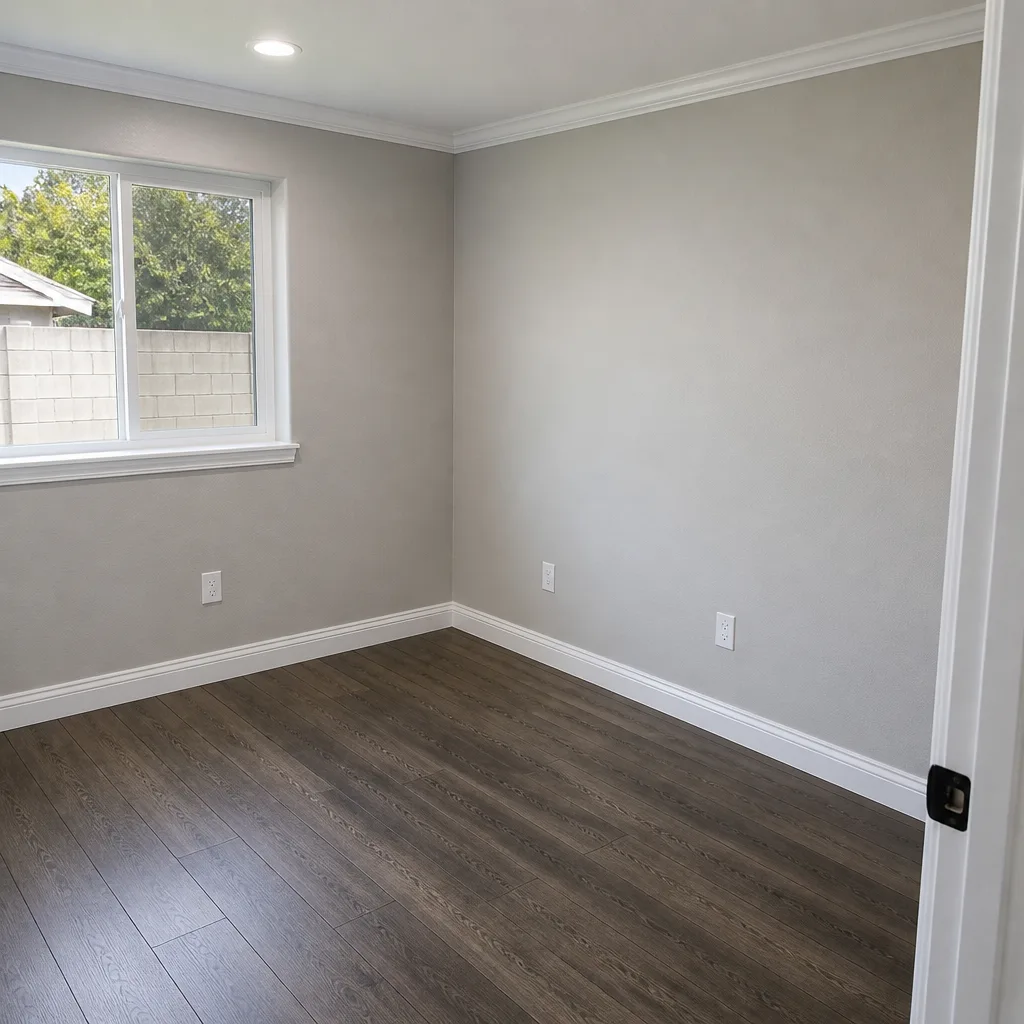
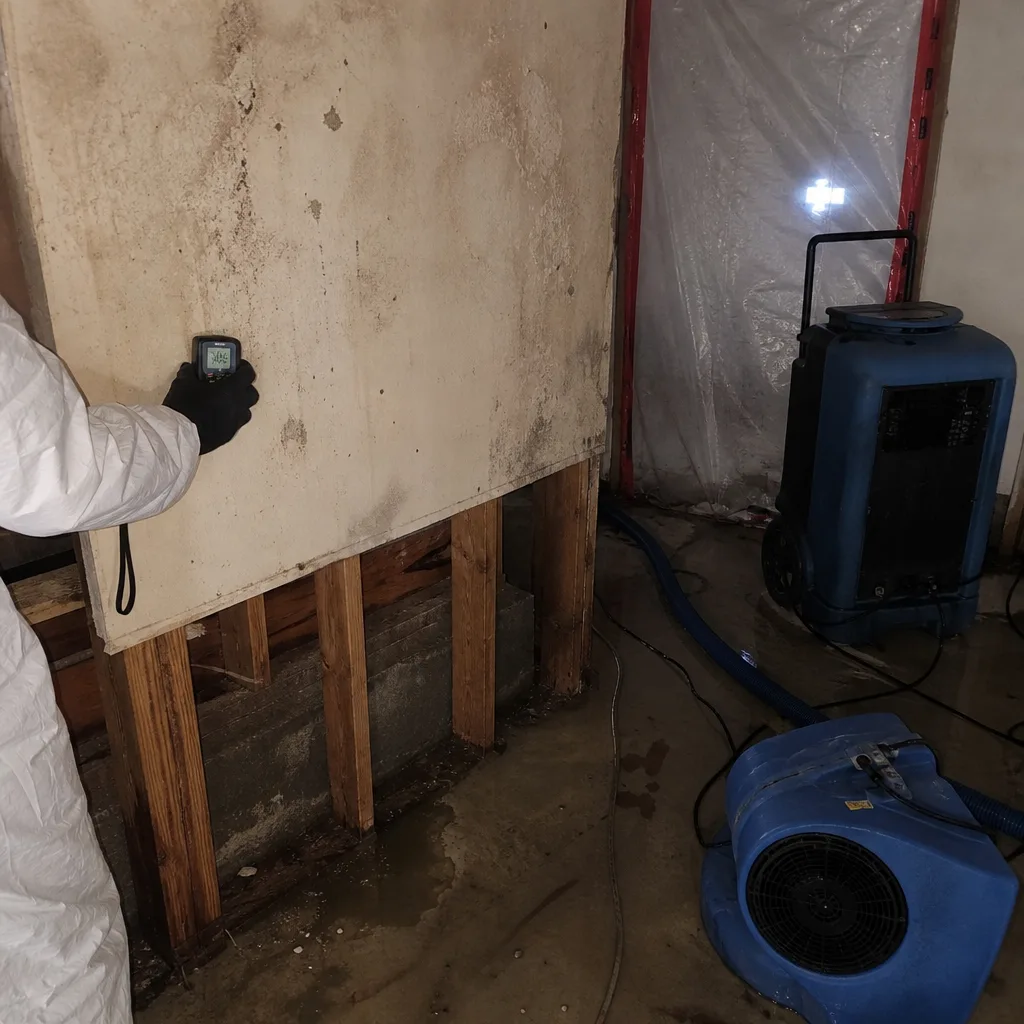
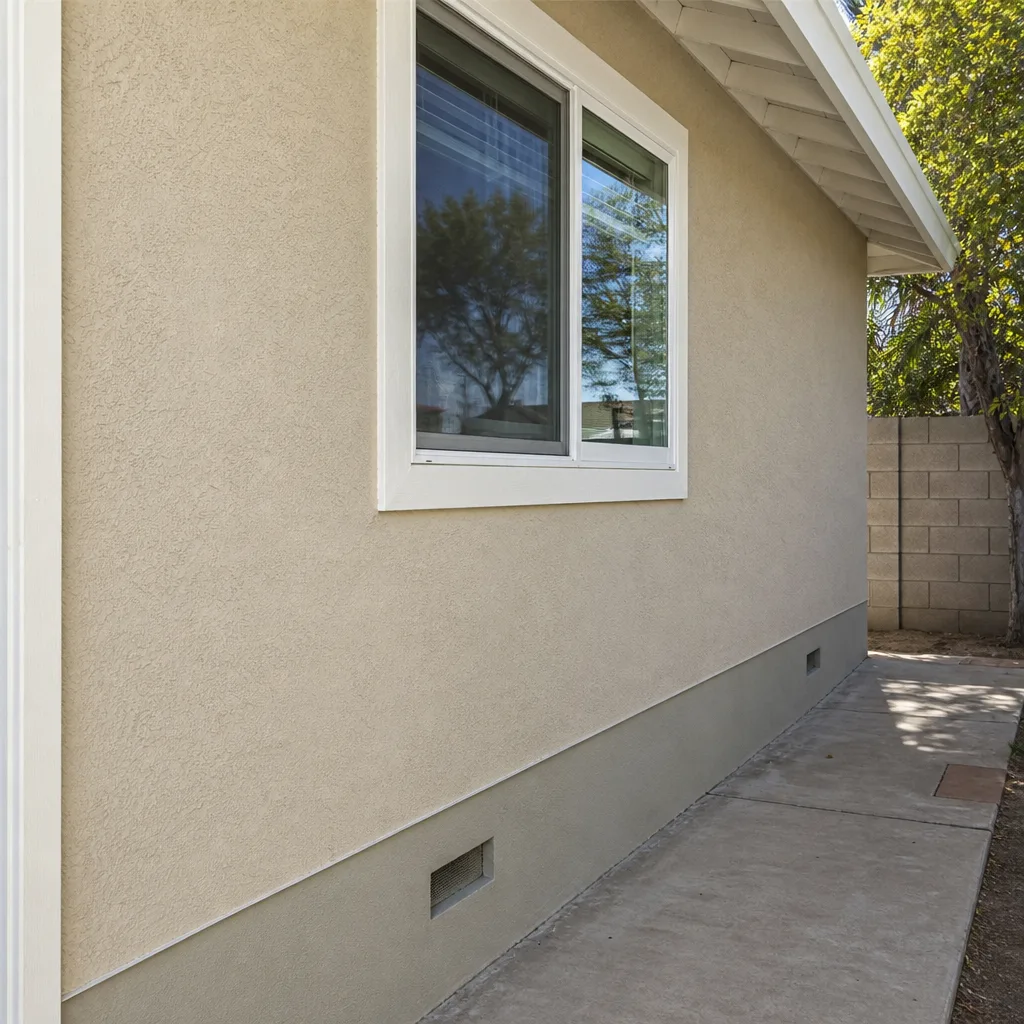
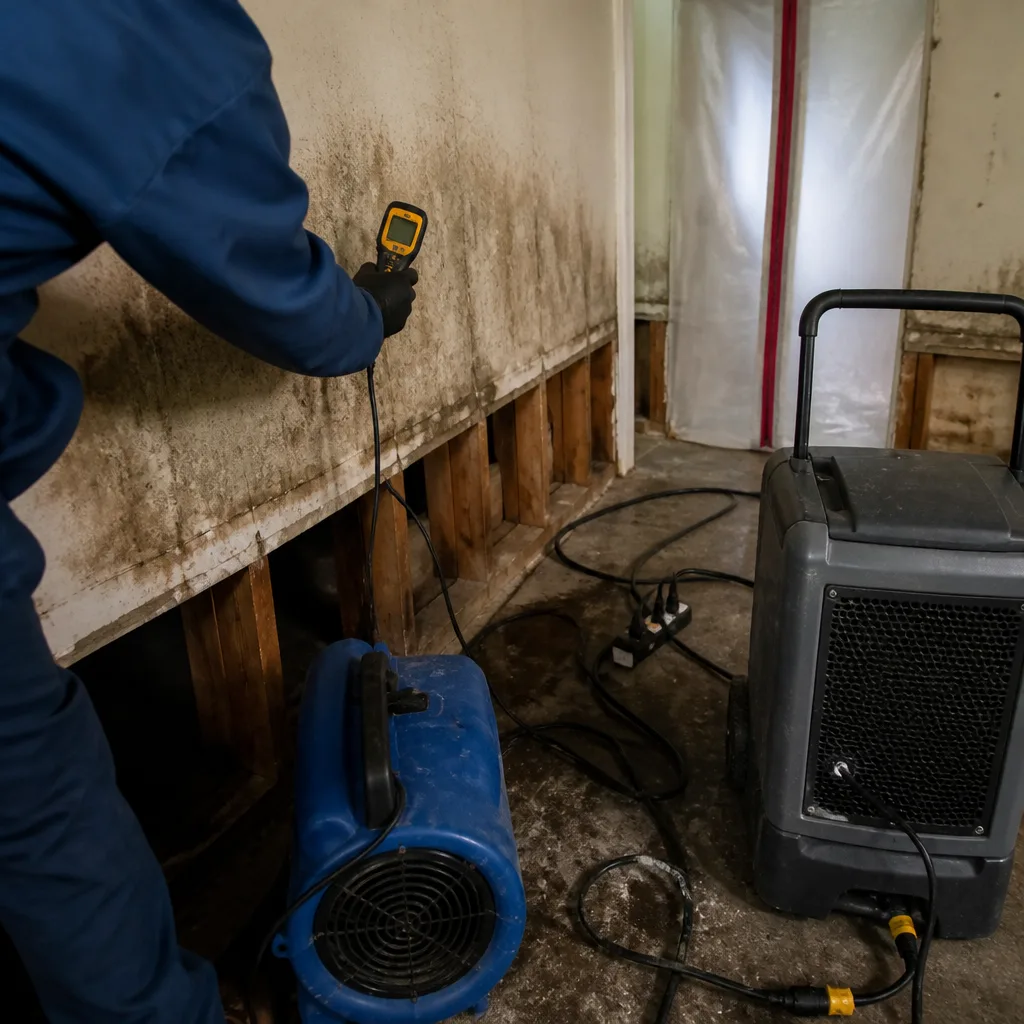
See the difference
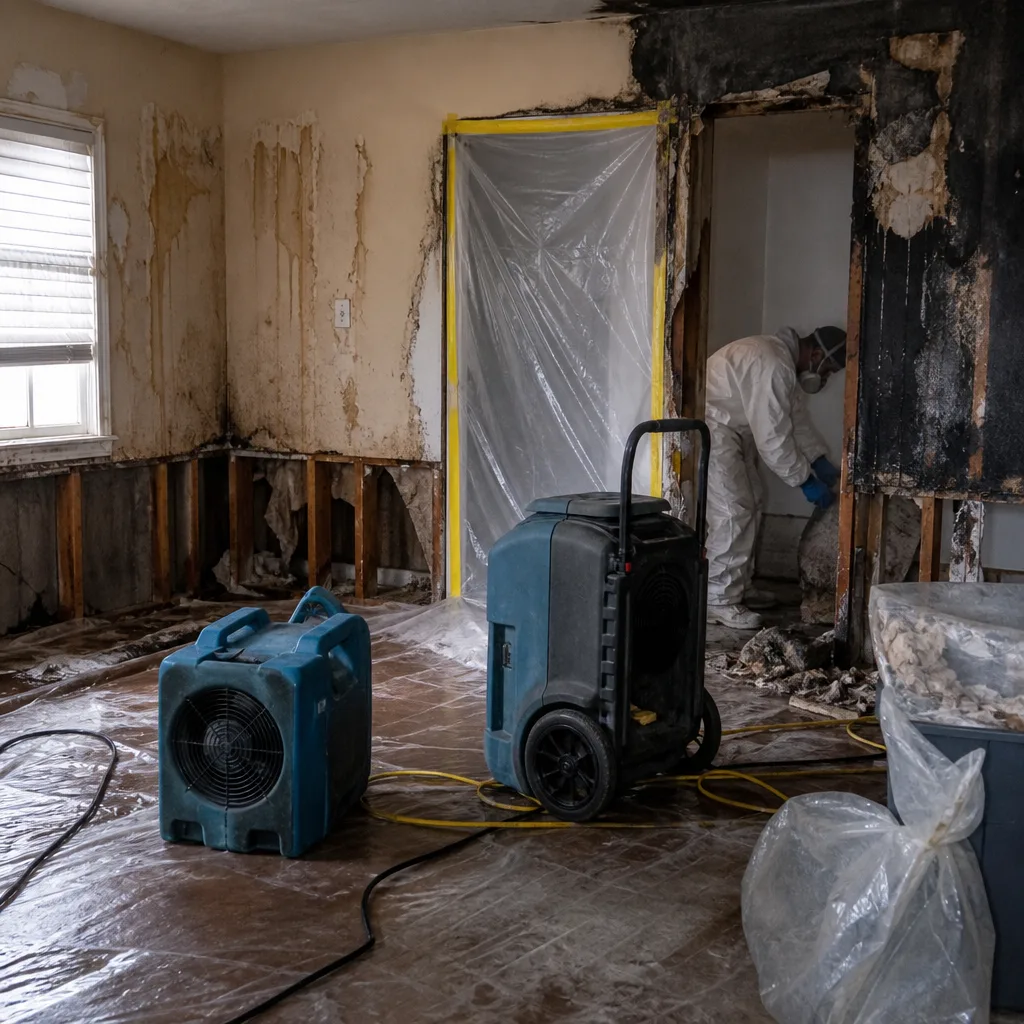 Before
 After
 Before
 After
 Before
 After
When to Call a Professional
The line between a homeowner checking a stain and a professional assessing a moisture source is drawn by one factor: whether you have the diagnostic tools to see what’s actually happening. Moisture meters, thermal imaging cameras, and cavity-drying equipment aren’t household items, and guessing without them leads to under-response or over-response, both of which cost money. You should call a professional when any warning sign persists or when you see two or more signs coexisting, when active mold growth is visible in an area larger than a dinner plate, when water is actively intruding into the living space, or when you smell sewage or mustiness you can’t trace. See our step-by-step guide to hiring a damage restoration contractor in Rialto for what to ask before you commit. Trailblazer Water Damage offers free estimates in Rialto, call (866) 472-6137 to schedule an assessment. We’ll tell you what you’re looking at, whether it’s active, and exactly what it will take to dry it right.
Frequently Asked Questions
An active stain has a dark center with a fading gradient toward the edges and feels cool or damp to the touch, while an old stain has a uniform color with a defined ring around its perimeter and feels dry and hard. If you’re uncertain, a moisture meter pressed against the stain gives you a definitive reading in seconds.
Water damage smells like damp earth, a musty basement, or wet cardboard, and it’s caused by the volatile organic compounds that mold colonies release as they grow. The smell is strongest in enclosed rooms with limited airflow and may come and go depending on humidity and temperature.
Yes. Rialto’s low outdoor humidity doesn’t prevent mold growth inside wall cavities, under flooring, or in ductwork where trapped moisture creates a localized high-humidity environment. Mold needs moisture, food, and temperature, and the warm indoor temperatures in Rialto homes are actually ideal for mold growth year-round.
Mold spores can germinate within 24 to 48 hours of a moisture event, and visible colonies can appear within five to seven days under the right conditions. This is why drying speed matters so much: the faster the affected materials are brought below the moisture threshold for biological growth, the less likely mold becomes part of the restoration scope.
Any visible mold on drywall or other porous material means the colony has been active long enough to be visible on the surface, and the visible portion is typically a fraction of the total colony. A dinner-plate-sized area is the general threshold where professional containment and remediation become necessary rather than a localized surface cleaning.
Sudden and accidental water damage from a burst pipe or appliance failure is typically covered, while gradual damage from a long-term slow leak may be excluded or partially covered depending on your specific policy language. Photograph everything before cleanup begins and report the loss promptly, the claims process moves smoother with documented evidence. Call (866) 472-6137 if you need help understanding what your restoration scope looks like before you file.
The Bottom Line
Every significant water damage event in a Rialto home sends warning signs first: an odor that doesn’t dissipate, a stain that changes shape, a floor that shifts underfoot, a vent that grows something it shouldn’t. None of these signs are loud, and all of them are easy to dismiss as cosmetic. But each one is data, and learning to read the data changes outcomes. The difference between a $500 localized repair and a $15,000 restoration is often measured in the weeks between noticing and acting. If you’re seeing any of the patterns in this guide, get eyes on it. Get a moisture meter on it. And get a professional assessment before the next phase of the timeline begins. For more guides & resources on protecting your Rialto home, explore our blog.
Written by the team at Trailblazer Water Damage, serving Rialto since 2013.