
Last updated October 30, 2026
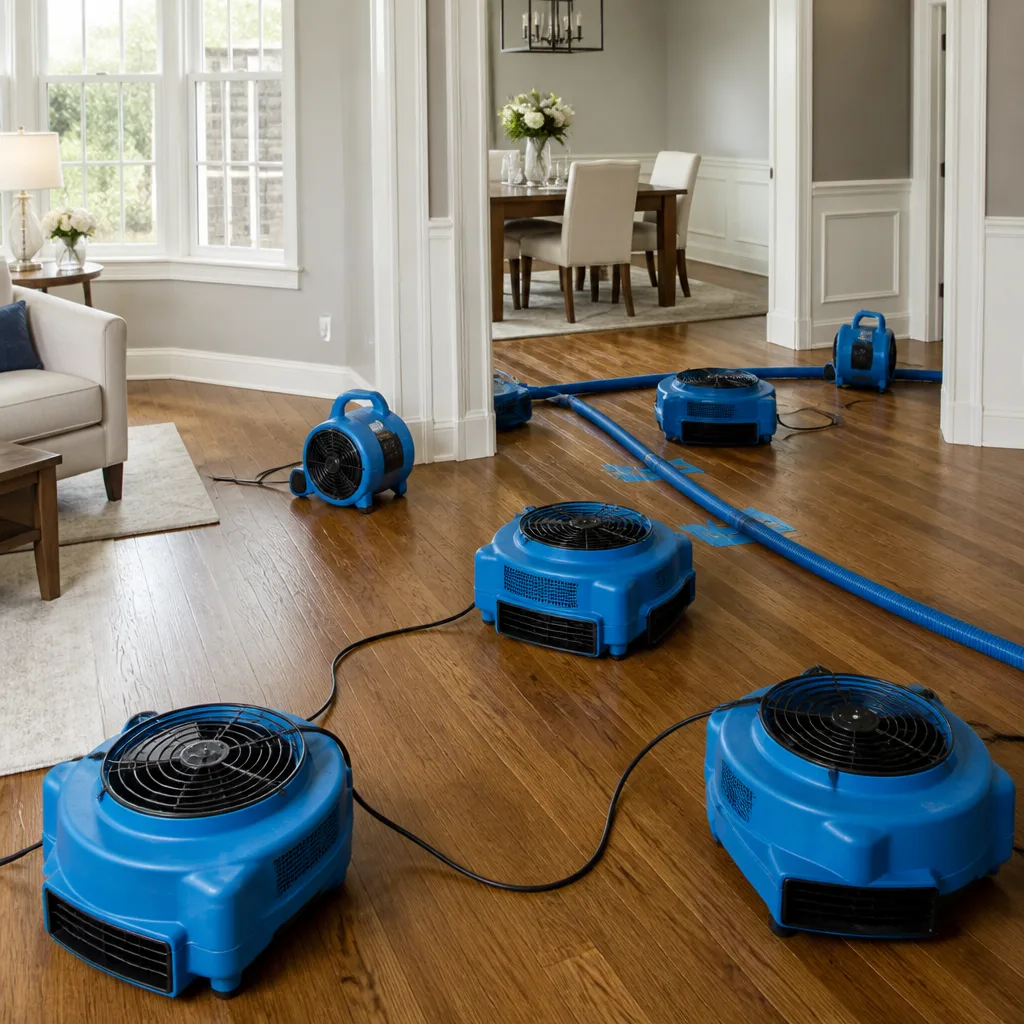 Water damage drying
 Fire & smoke cleanup
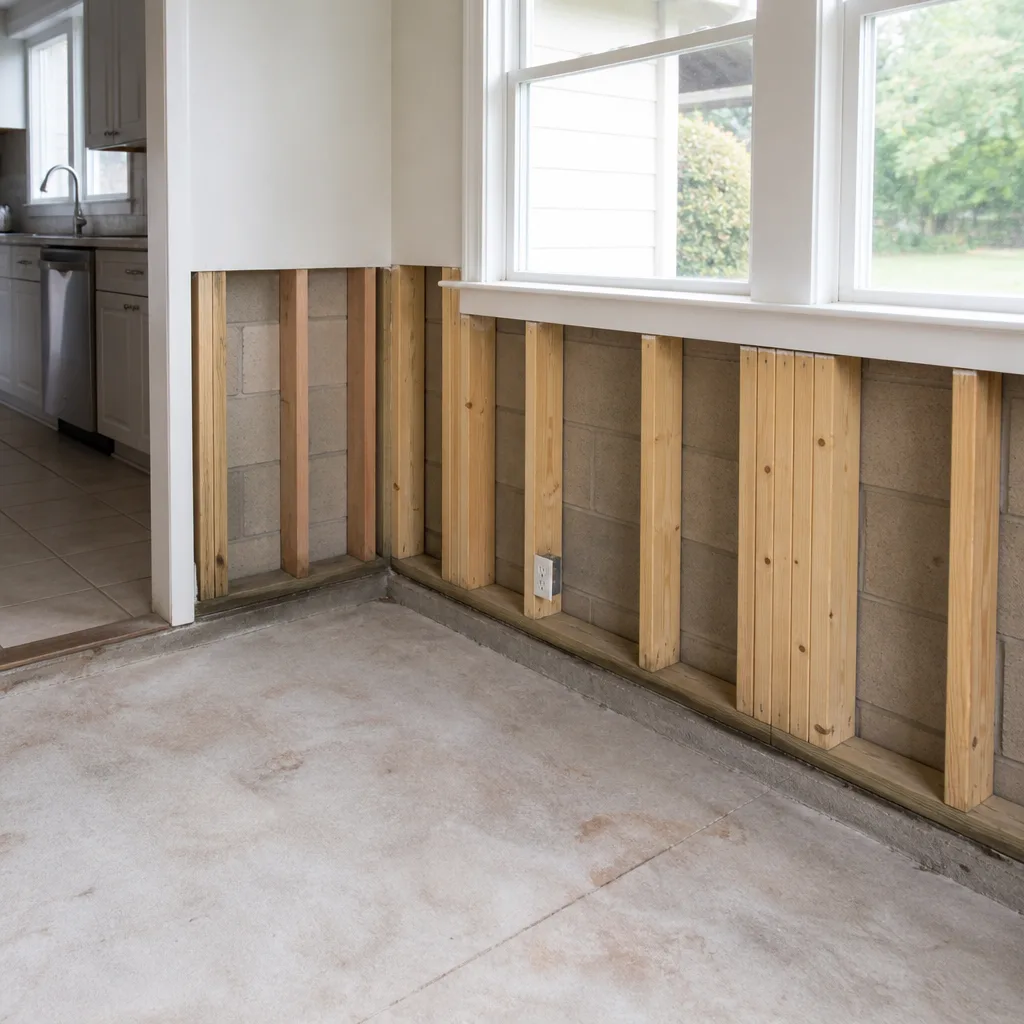 Mold remediation
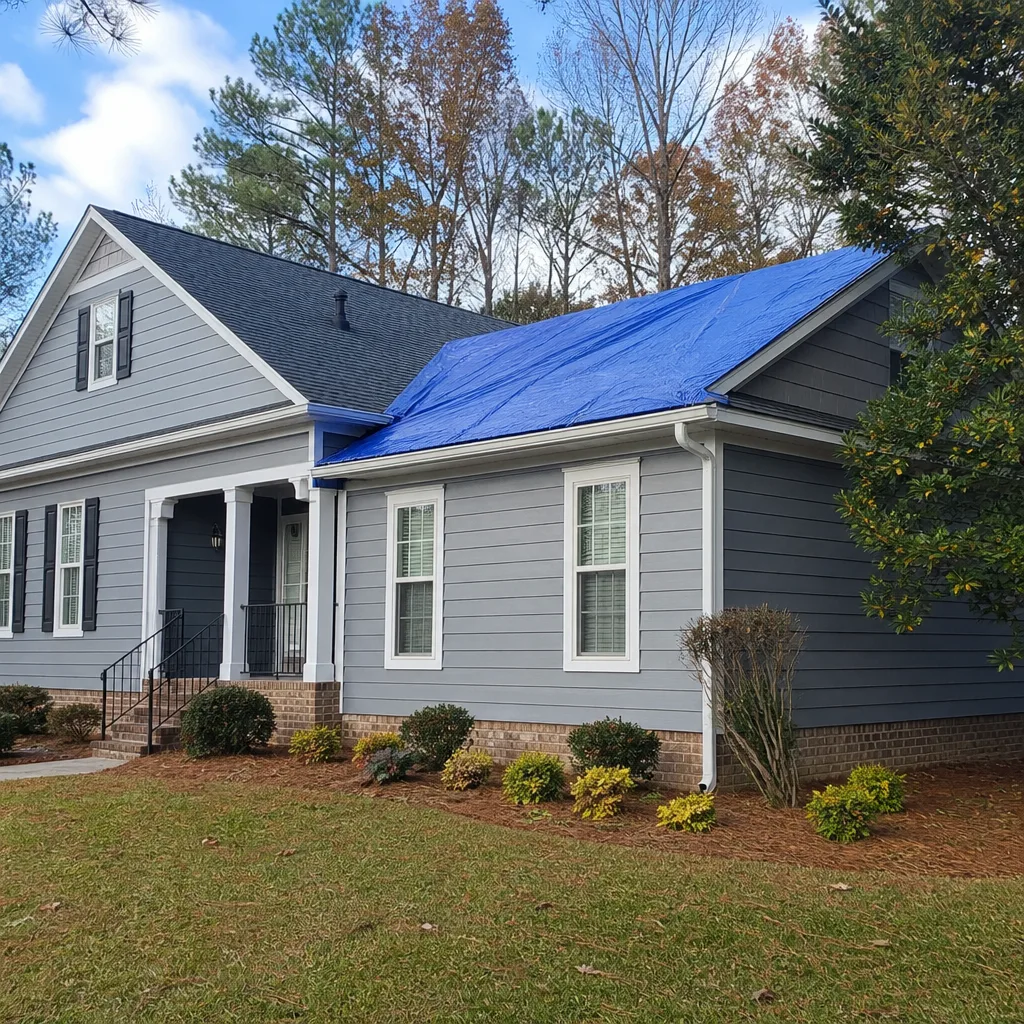 Storm response
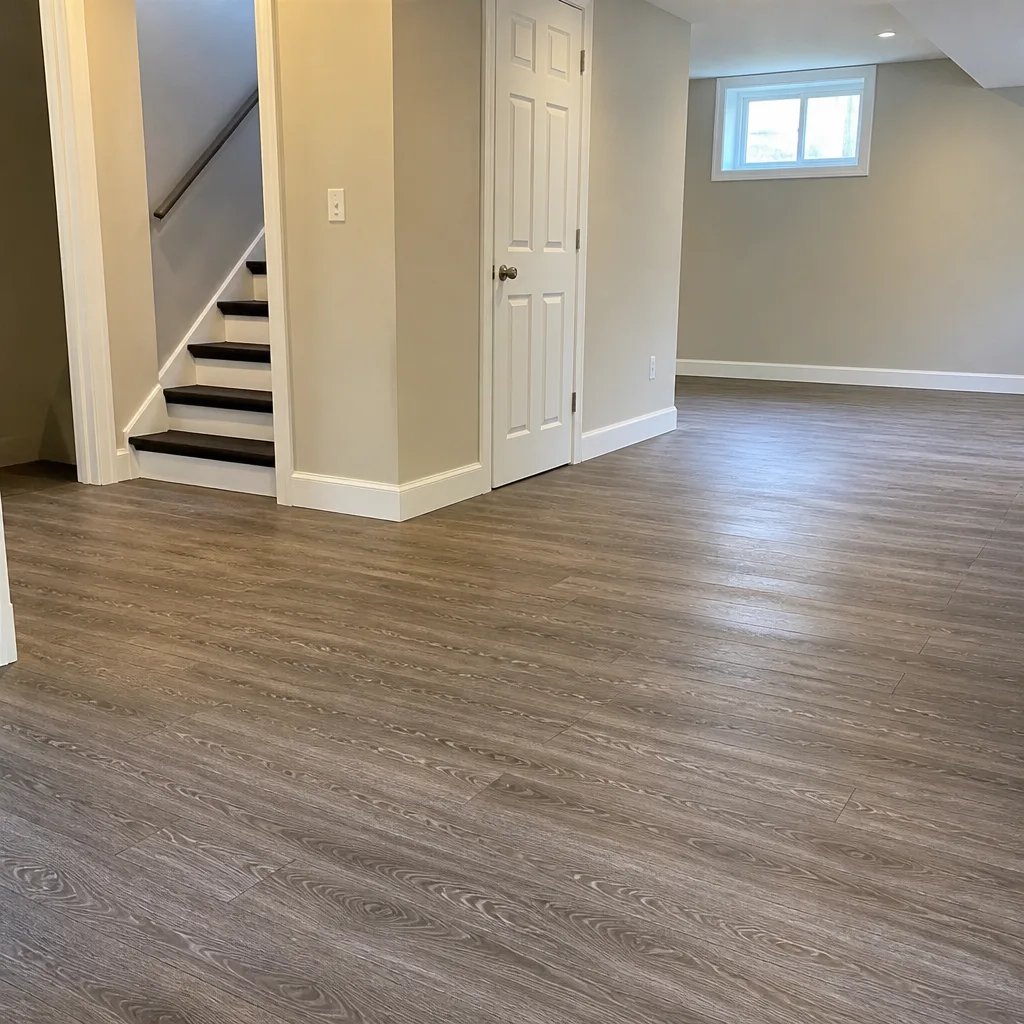 Sewage cleanup
 Reconstruction
Free visual inspection and a written scope of work before any mitigation begins - photos, moisture readings, and drying logs go in your claim file
The scope we write is the scope we bill. Anything new gets shown to you, in writing, before we touch it.
Get your free estimateDamage Restoration Cost Breakdown: The Rialto Homeowner’s Reference for 2026
The average water damage claim in California sits between $11,000 and $17,000, but the variance between a legitimate itemized Xactimate invoice and a flat-rate estimate from an unqualified contractor can exceed $8,000 on the same physical scope of work. In Rialto, where summer temperatures routinely hit triple digits and hard water runs through aging copper supply lines, restoration costs carry specific local characteristics that generic pricing guides miss entirely. This reference breaks down how restoration invoices are actually built, what each line item means, and how Rialto homeowners can verify they’re not being overcharged or underpaid by their insurance carrier. For related reading, see our Damage Restoration Warning Signs: A Rialto Homeowner’s Reference Guide.
Quick Answer
Water damage restoration in Rialto typically costs between $3.50 and $7.00 per square foot of affected area for standard Category 1 clean water extraction and drying, with full reconstruction adding $15 to $28 per square foot depending on finish level. A complete water damage restoration project in a Rialto home, including mitigation, drying, and rebuild, commonly lands between $8,000 and $18,000 for a single room, while fire damage restoration runs $20,000 to $50,000 for a whole-home event. Mold remediation in Rialto averages $1,900 to $3,800 per affected room, with whole-house remediation exceeding $12,000 when multiple rooms are involved.
Restoration work we handle
Table of Contents
- How Restoration Invoices Work: The Xactimate Line-Item System
- Water Damage Categories and Their Cost Multipliers
- Phase-by-Phase Cost Breakdown for Rialto Water Damage
- Mold Remediation Costs in Rialto: What’s Included
- Fire Damage Restoration Cost Structure
- The Costs Rialto Homeowners Don’t Budget For
- Reading Your Adjuster’s Scope Against the Contractor’s Estimate
- Why Rialto’s Labor Market Affects Your Restoration Cost
How Restoration Invoices Work: The Xactimate Line-Item System
Every major insurance carrier in the Inland Empire prices water, mold, and fire damage using Xactimate, a software platform that maintains regional pricing databases for every conceivable restoration task. When your adjuster reviews a claim, they’re not comparing your contractor’s invoice to some abstract notion of “fair pricing.” They’re checking each line item against Xactimate’s published rate for your zip code. This is the single most important thing to understand about restoration costs: the invoice format itself is standardized, and knowing that format gives you power.
A legitimate restoration invoice will not say “Water cleanup: $6,500.” It will list specific Xactimate code lines like WTR-EXTR (extraction), WTR-DRY (drying equipment), and DRY-LOG (drying log documentation). Each line carries a per-unit price, the number of units, and the total for that line. When a contractor hands you a one-line estimate, you’re looking at a flat-rate bid that has likely been rounded up to cover unknown risk. Sometimes that’s fair. Often it’s padded by 30% or more compared to what the same work would cost at Xactimate regional rates.
Our IICRC-certified team at Trailblazer Water Damage home builds every scope of work in the same line-item format your insurance company recognizes. That’s not a coincidence. When your adjuster receives an invoice that mirrors Xactimate’s structure, the approval process moves faster because there’s less back-and-forth over what something costs and why.
Here’s what a standard water damage restoration invoice includes, in order:
- Emergency mitigation line items including extraction labor, pump rental, and initial antimicrobial application.
- Drying equipment line items listing each air mover, dehumidifier, and specialty drying system with daily rental rates.
- Demolition line items for baseboards, drywall, insulation, and flooring removal with disposal fees.
- Cleaning and antimicrobial line items covering sanitizing agents and application labor.
- Content manipulation line items when furniture and personal property are moved, cleaned, or stored.
- Reconstruction line items itemized by material type and square footage, such as drywall replacement at $38 to $52 per sheet in the Inland Empire market.
Water Damage Categories and Their Cost Multipliers
The IICRC S500 standard, which governs professional water damage restoration, classifies water into three categories. Each category carries different labor requirements, disposal regulations, and cost structures. Understanding which category you’re dealing with explains why two seemingly identical floods can produce vastly different invoices.
Category 1 water comes from a sanitary source: a broken supply line, an overflowing bathtub, a faucet left running. In Rialto, we most often see Category 1 damage from aging copper pipes, which were standard in homes built before 1990 and have a predictable lifespan of 50 to 70 years. Many Rialto homes are now hitting that mark. Category 1 water can usually be extracted and dried without full replacement of affected materials, though any materials that were saturated for more than 48 hours are treated as Category 2 per IICRC standards because bacterial growth begins within that window.
Category 2 water contains significant contamination: dishwasher overflow, washing machine discharge, sump pump failures. This water carries cleaning chemicals, organic matter, and elevated bacteria levels. Labor costs run 25% to 40% higher than Category 1 work because more materials require replacement rather than drying, and antimicrobial application is mandatory rather than precautionary. In Rialto’s summer heat, Category 2 water that sits for even 12 hours develops odor and microbial growth faster than it would in coastal communities, which is why response speed matters so much here.
Category 3 water is grossly contaminated: sewage backups, floodwater from ground sources, standing water that has begun supporting microbial growth. Category 3 requires full PPE during extraction, controlled demolition of all affected porous materials, and specialized disposal. The cost multiplier is significant. Where Category 1 extraction might run $3 to $4 per square foot, Category 3 remediation can exceed $12 per square foot when disposal fees, containment setup, and antimicrobial protocols are fully itemized. Rialto’s older neighborhoods near Downtown, where sewer lines date back decades, are most prone to Category 3 events during heavy winter storms when the city’s storm drainage system backs up.
Why the Category Matters to Your Invoice
- Category 1 jobs typically allow drying-in-place for drywall and flooring, saving $2,000 to $5,000 in demolition and reconstruction.
- Category 2 jobs require removal of carpet and pad in most cases, adding $3 to $5 per square foot for flooring replacement.
- Category 3 jobs always require full containment setup, negative air pressure, and specialized waste disposal, adding $1,500 to $4,000 in setup costs alone.
Phase-by-Phase Cost Breakdown for Rialto Water Damage
Here’s what a typical water damage restoration project in Rialto costs in 2026, broken into the phases your invoice should reflect. These figures are based on current Inland Empire regional pricing and assume a standard 250-square-foot affected area, roughly the size of a large living room or combined kitchen and dining space.
Phase 1: Emergency Extraction
- Water extraction labor: $450 to $750 for initial removal of standing water using truck-mounted extraction systems.
- Extraction equipment setup: $150 to $300 for wand extractors, portable pumps, and vacuum equipment deployment.
- Moisture mapping and assessment: $200 to $400 including infrared camera inspection and moisture meter readings throughout the affected area.
Phase 2: Structural Drying
- Air mover rental: $35 to $55 per day, per unit. A 250-square-foot room typically requires 6 to 10 air movers.
- Dehumidifier rental: $90 to $150 per day for a professional-grade LGR unit such as Dri-Eaz or Phoenix. Most homes need 2 to 3 units.
- Specialty drying systems: $200 to $400 per day for Injectidry wall-cavity drying when walls are wet but not fully saturated. This technique often saves thousands in demolition costs.
- Drying log documentation: $150 to $300 for daily moisture readings that your insurance company requires.
Drying typically runs 3 to 5 days in Rialto’s dry climate. Homes with stucco exteriors, common in Rialto’s newer North End subdivisions, dry slower than wood-sided homes because stucco traps moisture against the framing. If a contractor says they can dry your home in 24 hours, they’re either using aggressive techniques that risk secondary damage or they’re not following IICRC drying standards.
Phase 3: Demolition and Removal
- Baseboard removal: $1.50 to $3.00 per linear foot including disposal.
- Drywall removal: $2.50 to $4.50 per square foot for cut-out, bagging, and haul-away.
- Insulation removal and disposal: $1.00 to $2.50 per square foot.
- Flooring removal: $2.00 to $4.00 per square foot for carpet and pad, $4.00 to $7.00 for hardwood or tile.
Phase 4: Antimicrobial Treatment
- Antimicrobial application: $0.50 to $1.00 per square foot for the treatment agent and labor application on all affected surfaces.
- Optional mold prevention coating: $1.00 to $2.00 per square foot for preventative treatments applied to framing and subfloor before reconstruction begins.
Phase 5: Reconstruction
- Drywall installation: $2.00 to $3.50 per square foot for standard 1/2-inch drywall, finished and textured to match existing surfaces.
- Paint: $0.75 to $1.50 per square foot for one coat of primer and two coats of finish paint.
- Baseboard replacement: $4.00 to $8.00 per linear foot installed.
- Carpet and pad replacement: $4.00 to $7.00 per square foot for mid-grade materials.
- Hardwood flooring replacement: $12.00 to $18.00 per square foot including installation.
Our Water Damage Restoration in Rialto process includes photo documentation at every phase, which becomes invaluable when your adjuster questions why certain line items were necessary. We’ve seen Rialto homeowners recover $3,000 to $5,000 in additional claim money solely because we had time-stamped photography of the moisture levels present before demolition began.
Mold Remediation Costs in Rialto: What’s Included
Mold remediation carries its own cost structure because it includes containment requirements that simple water cleanup does not. When you see a mold remediation invoice, you’ll notice line items for containment setup, negative air pressure systems, and clearance testing that are absent from water damage scopes.
A single-room mold remediation in Rialto, typically a bathroom, laundry room, or area around a leaking window, runs $1,900 to $3,800. That includes full containment of the affected space using 6-mil polyethylene sheeting, HEPA-filtered negative air machines, removal of mold-affected drywall and materials, HEPA vacuuming and wiping of all surfaces, and antimicrobial application to remaining structure. The labor-intensive nature of containment setup is why even small mold jobs carry a minimum cost of around $1,500.
Whole-house mold remediation is a different animal. When mold has spread through HVAC systems or multiple rooms, costs routinely exceed $12,000 in Rialto, and that’s before any reconstruction of removed materials. Homes in Rialto’s older neighborhoods, particularly the area around Frisbie Park and the homes built before 1960, are more vulnerable to the chronic moisture conditions that create whole-house mold problems. Aging foundations, inadequate crawlspace ventilation, and decades-old plumbing all contribute.
Our Mold Remediation in Rialto service includes the specific equipment your invoice should itemize: HEPA air scrubbers at $120 to $180 per day each, negative air pressure units at $150 to $200 per day, and specialized mold-killing agents applied at $0.75 to $1.25 per square foot. We hold IICRC certification in Applied Microbial Remediation Technician, which means we follow the S520 standard that your insurance carrier recognizes.
One important note for Rialto homeowners: post-remediation clearance testing is performed by an independent indoor environmental professional, not by the remediation contractor. This separation matters. It costs $400 to $800 for a standard single-room clearance inspection in the Inland Empire, and that cost typically falls on the homeowner. Some policies cover it. Many don’t. You’ll want to check your specific policy language before you assume clearance testing is an insured cost.
Fire Damage Restoration Cost Structure
Fire damage restoration is where Rialto homeowners see the widest cost variance, because fire claims involve three distinct damage types that each have their own pricing: flame damage, smoke damage, and water damage from firefighting efforts. A kitchen fire contained to one room can run $20,000 to $30,000. A whole-home fire that requires structural rebuild exceeds $50,000 in almost every case, and in Rialto’s newer construction, can push past $100,000 when kitchen and bathroom finishes are involved.
The cost structure for fire restoration breaks down differently than water damage. Smoke remediation is the line item homeowners least expect. Structural cleaning of smoke residue, called soot removal, runs $4 to $8 per square foot of affected area. Content cleaning, where personal belongings are cleaned item by item, is priced per item or per pound and can add $3,000 to $10,000 to a claim depending on the volume of personal property. Ozone treatment for odor removal runs $300 to $500 per room.
In Rialto specifically, fire restoration is complicated by the age of housing stock. Homes built before 1980 may contain asbestos in drywall compound, ceiling texture, and insulation. When fire damage requires demolition of these materials, asbestos testing at $200 to $400 per sample and potential abatement at $5 to $15 per square foot become line items. Your insurance company may or may not cover abatement costs, depending on your policy’s pollution and hazardous materials exclusions. This is a discussion to have before work begins, not after demolition exposes the problem.
Our Fire Damage Restoration in Rialto team handles the full sequence from board-up through structural drying after firefighting water extraction, soot remediation, and reconstruction. The value of single-company handling isn’t just convenience. It’s that our drying logs, demolition documentation, and rebuild scopes all speak the same language when your adjuster reviews the file.
The Costs Rialto Homeowners Don’t Budget For
Beyond the core restoration line items, several costs routinely surprise Rialto homeowners when they appear on the final invoice or in the adjuster’s denied line items. None of these are padding. They’re legitimate expenses that generic online pricing guides never mention, but they’re present in nearly every major restoration claim in the Inland Empire.
Asbestos testing on pre-1980 homes: Rialto’s housing stock includes many homes built during the 1950s and 1960s construction boom. Any demolition of drywall, ceiling texture, or vinyl flooring in these homes requires asbestos sampling before work can legally proceed under California law. Testing costs $200 to $400 per sample, and most restoration projects require 2 to 4 samples. If asbestos is present, abatement adds $5 to $15 per square foot and requires a separately licensed abatement contractor. Your restoration company cannot perform abatement work simultaneously with restoration work, which adds schedule time.
Industrial hygienist clearance testing: After mold remediation, independent clearance testing verifies that spore levels have returned to normal. This runs $400 to $800 for a single room in the Inland Empire and is performed by a third party, not your remediation contractor. It’s the only way to prove the work was completed correctly, and in our experience, it’s the document that closes out an insurance claim on mold remediation.
Temporary housing while drying is completed: When a Category 3 sewage loss or extensive mold remediation makes a Rialto home uninhabitable, extended-stay hotel costs in the Inland Empire run $120 to $200 per night. If your policy includes loss of use coverage, these costs are reimbursable. If not, they’re out of pocket. A 10-day displacement adds $1,200 to $2,000 to the true cost of the event.
Contents manipulation and storage: When furniture and personal belongings must be moved, cleaned, and stored during restoration, labor costs run $60 to $90 per hour for a trained contents crew. Offsite storage in climate-controlled Inland Empire facilities adds $150 to $400 per month. In a whole-home restoration, contents handling alone can reach $5,000.
HVAC cleaning and ductwork replacement: Fire and mold events contaminate ductwork. If contamination entered the HVAC system, professional duct cleaning runs $400 to $800 for a typical Rialto home, and duct replacement in hard-to-access areas can exceed $3,000. This is routinely the line item adjusters try to deprecate or deny, which is why documentation matters.
Reading Your Adjuster’s Scope Against the Contractor’s Estimate
The skill of reading an insurance scope against a contractor estimate is learnable, and it’s the difference between accepting an $8,000 shortfall and recovering the full cost of restoration. Here’s how to do it.
Step 1: Compare line items one by one. Your adjuster’s scope of loss lists every restoration task they’re willing to pay for, with Xactimate code numbers. Your contractor’s estimate should list the same tasks. When a task appears on the contractor’s estimate but not on the adjuster’s scope, that’s a discrepancy you need to resolve, not absorb.
Step 2: Look for deprecated equipment rates. Many policies calculate equipment rental using “depreciation schedules” that assume equipment should be rented for fewer days than drying actually requires. If your drying logs show 5 days of drying but the adjuster’s scope lists 3 days of equipment rental, the difference is money you shouldn’t have to cover. This is where drying logs become essential. A reputable restoration company keeps daily moisture readings for exactly this reason.
Step 3: Check for omitted drying logs entirely. Some adjusters will include extraction and demolition but omit the drying log documentation line item, hoping you won’t notice. The drying log is a required component of any IICRC-compliant restoration. Its absence from the scope is a red flag that the adjuster is testing whether you’ll push back.
Step 4: Verify square footage figures. Adjusters sometimes measure affected areas differently than contractors. A 20-square-foot discrepancy on a $15-per-square-foot reconstruction line is $300. Over a whole-home claim, these rounding differences can add up to thousands. Your contractor should provide a floor plan with measurements that you can compare against the adjuster’s scope.
Step 5: Route everything through the same channel. When your contractor speaks Xactimate and your adjuster speaks Xactimate, miscommunication drops dramatically. This is one reason our team invests in the same pricing software, training, and documentation standards that insurance companies use internally. It reduces the friction that costs homeowners money and time.
Why Rialto’s Labor Market Affects Your Restoration Cost
Rialto sits in the middle of the Inland Empire construction corridor, a dense network of trades, suppliers, and subcontractors that stretches from Ontario to San Bernardino. This geographic position has a measurable effect on restoration pricing, and it’s one of the reasons Rialto restoration costs run differently than comparable work across the county line.
The Inland Empire labor market trades at roughly 15% to 20% below Los Angeles County rates for comparable skilled trades. A drywall finisher who commands $35 per hour in Pasadena bills $28 to $30 per hour on a Rialto job. The same applies across electrical, rough framing, and finish carpentry. For a whole-home restoration involving 400 to 600 hours of trade labor, that differential translates to $2,000 to $4,000 in lower labor costs for Rialto homeowners than for homeowners in Baldwin Park or El Monte.
But there’s a countervailing pressure: material costs in the Inland Empire run slightly higher than closer to the ports because of freight distance. Drywall sheets that cost $14 in Long Beach can run $15.50 to $16.00 in Rialto. Engineered flooring, millwork, and specialty finishes all carry a 5% to 8% freight premium. For a big reconstruction job, that can offset a portion of the labor savings.
The net effect is that Rialto restoration costs typically land 8% to 12% below equivalent Los Angeles County projects for labor-heavy scopes like demolition and drying, but within a few points of parity on material-heavy scopes like custom finish reconstruction. When you’re reviewing a line-item estimate, you can check whether your contractor’s labor rates reflect Inland Empire pricing or LA County pricing. If the labor line items look LA-priced, ask why.
Rialto’s specific building code requirements also matter. The city requires permits for any reconstruction involving structural changes, electrical work, or plumbing modifications. For details on what to expect, see our Damage Restoration Permits, Codes & Inspections in CA: What You Need to Know. Permit fees for a typical restoration rebuild run $500 to $2,500 depending on scope, and permit costs should appear as a separate line item on your contractor’s estimate. If they don’t, ask whether the scope avoids permit-triggering work or whether the contractor is skipping a required permit. Skipped permits create title problems when you eventually sell.
Common Mistakes to Avoid
- Accepting a flat-rate estimate without line items. A single number for “water cleanup” gives you nothing to compare against insurance pricing, and courts have consistently found flat-rate restoration bids to be unenforceable when disputes arise. Demand itemization.
- Assuming your insurance company will catch every discrepancy. Adjusters handle dozens of claims at once. Line items get overlooked. You are the final quality check on your own claim, so review the scope carefully before signing anything.
- Waiting to file the claim while damage spreads. California law requires you to mitigate ongoing damage, and insurers deny claims where homeowners allowed damage to worsen through inaction. In Rialto’s summer heat, a water leak can turn into mold in 48 hours, and denial of coverage for the mold component is common.
- Hiring a contractor without restoration-specific credentials. A general contractor can dry a floor. A general contractor with IICRC certification, RIA affiliation, and professional-grade equipment like Dri-Eaz and Injectidry systems can dry a floor correctly and prove it. The credential gap becomes the payment gap when adjusters audit the work.
- Overlooking the drying logs. Whether the drying logs exist, whether they show daily readings, and whether those readings demonstrate the structure actually reached its drying goals before reconstruction began. This documentation is the foundation of your claim, and its absence is the most common reason legitimate restoration work gets partially denied.
- Letting the contractor and adjuster negotiate without you in the loop. You should demand a three-way conversation when discrepancies appear. When you’re absent, the resolution often defaults to whatever the adjuster is willing to pay, not what the work actually requires.
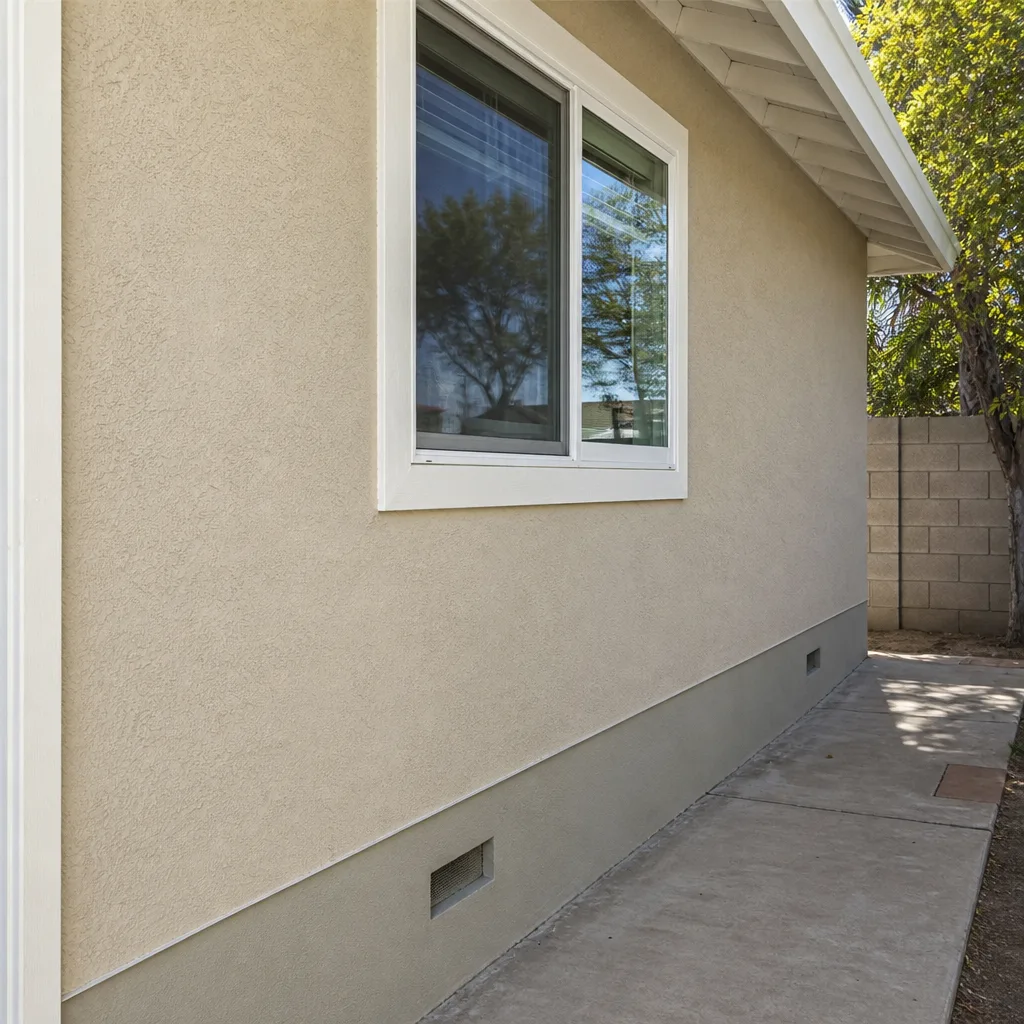
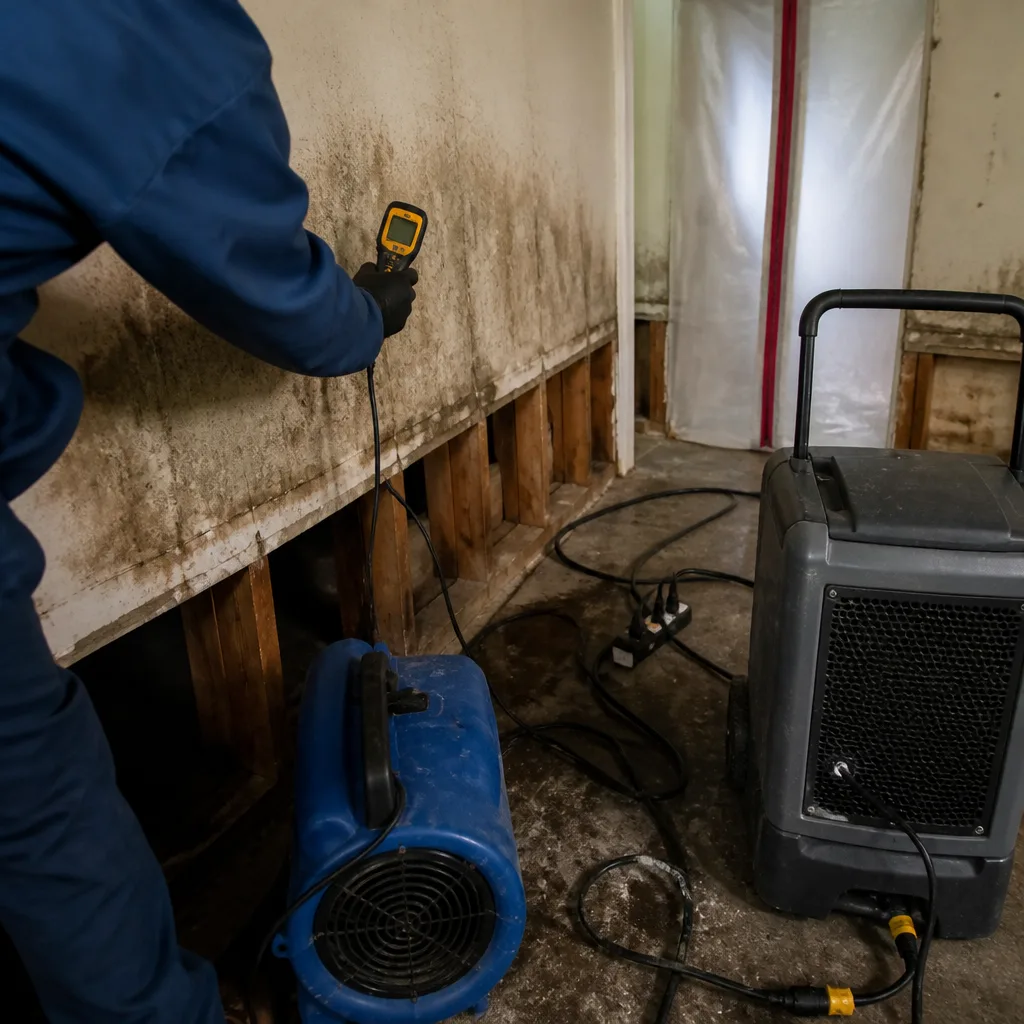
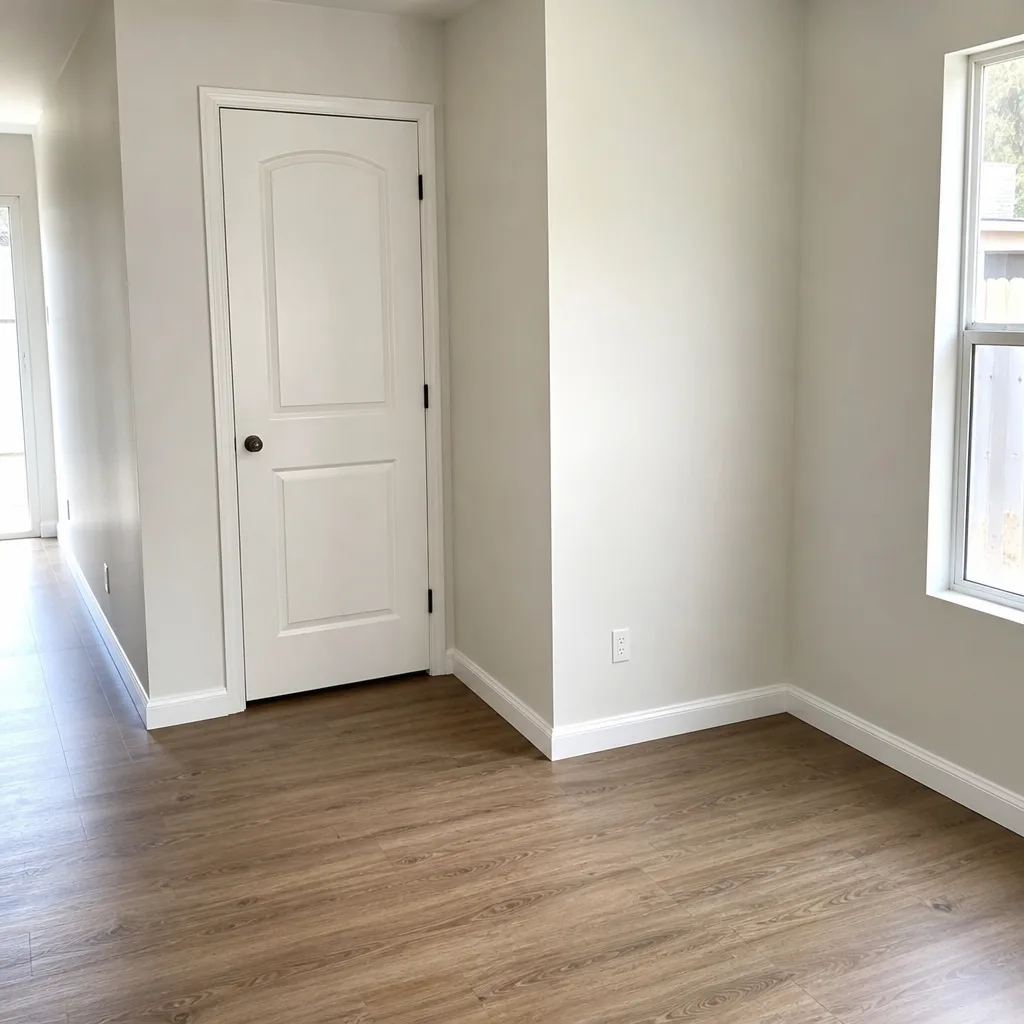
See the difference
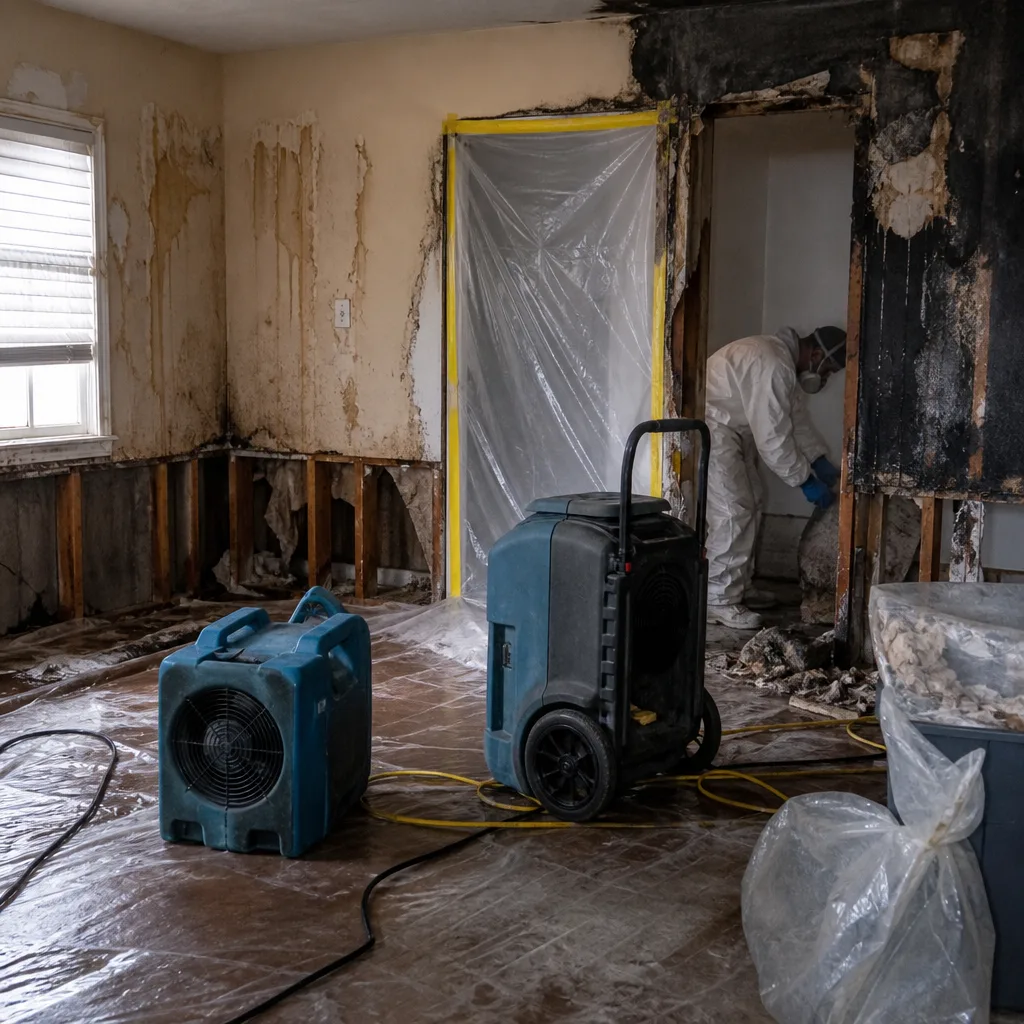 Before
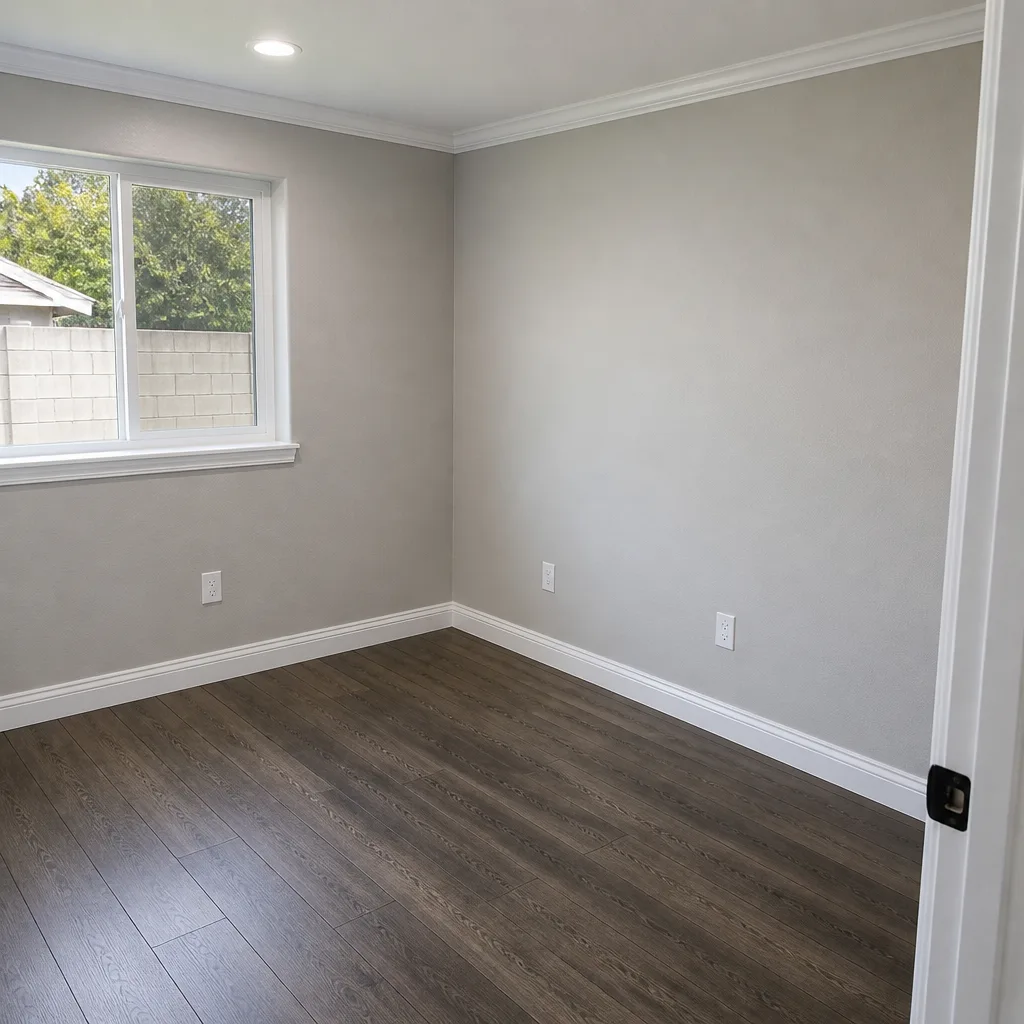 After
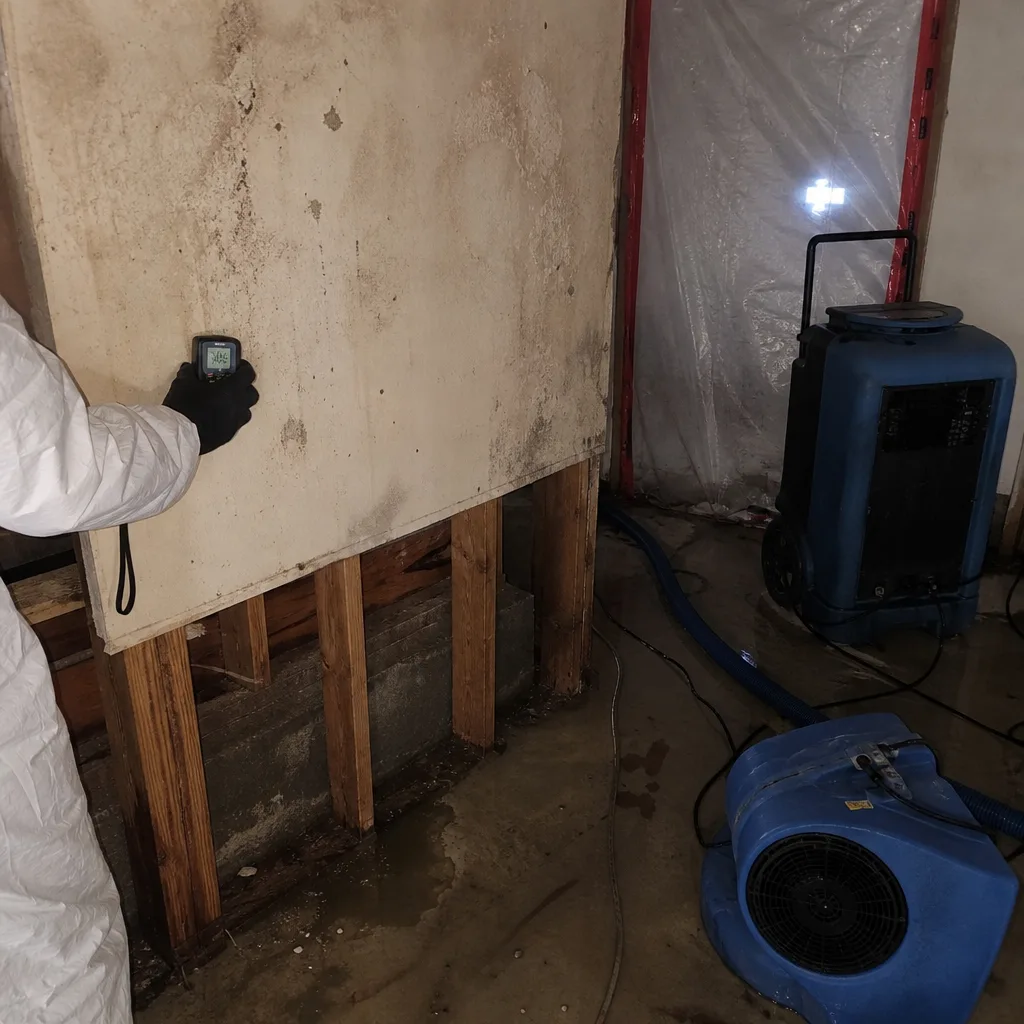 Before
 After
 Before
 After
When to Call a Professional
Call a restoration professional the moment you discover standing water, visible mold growth exceeding 10 square feet, or fire damage that has affected structural framing or HVAC systems. These situations require equipment and certification that homeowners simply don’t have access to, and the cost of delay compounds daily. Our Damage Restoration Emergency Preparedness Guide for Rialto Homes explains how to respond in the first critical hours. If you can see water stains on ceilings or walls, if you smell musty odors that won’t dissipate, or if water has been present for more than 24 hours, you’re past the point where DIY approaches are safe or effective. Trailblazer Water Damage offers free estimates in Rialto, and our IICRC-certified team can assess your situation quickly. Call (866) 472-6137 to schedule an inspection.
Frequently Asked Questions
Water damage restoration in Rialto typically costs between $3.50 and $7.00 per square foot for extraction and drying, with total costs for a single-room event ranging from $8,000 to $18,000 when reconstruction is included. The final number depends on the water category, the size of the affected area, and whether materials can be dried in place or require replacement. Call (866) 472-6137 for an exact quote based on your specific situation, estimates are free.
Most Rialto homeowners policies cover sudden and accidental water damage from events like pipe bursts, appliance failures, and storms, but gradual leaks and floods from external ground water require separate flood insurance. The key to full coverage is documentation that demonstrates the damage was sudden, not long-term. Our team provides photo documentation at every phase, built for insurance-level claim review.
Restoration companies operating in the Inland Empire can typically reach a Rialto home for emergency water extraction within hours of your call, because the area is well-served by restoration firms located in nearby Ontario, Fontana, and San Bernardino. The relevant question is whether the team that arrives has professional-grade equipment like Dri-Eaz or Phoenix dehumidifiers, or whether they’re running consumer-grade gear that will extend your drying timeline. Browse our more guides & resources for additional homeowner guidance. Call (866) 472-6137 to confirm current availability for your area.
Mold growth exceeding 10 square feet requires professional remediation with containment, negative air pressure, and clearance testing per IICRC standards, and cleaning without containment spreads spores through your home’s air system. In Rialto’s summer conditions, what looks like surface mold is often supported by moisture inside wall cavities, which is why professional assessment with moisture mapping matters before you decide on scope. Smaller areas under 10 square feet can sometimes be cleaned without full containment protocols.
Your restoration contractor should handle the day-to-day communication with your adjuster, including submitting documentation, explaining line items, and resolving discrepancies, but you remain responsible for final decisions about coverage and payment. The most effective arrangement is a contractor who speaks the same Xactimate language as your adjuster, which eliminates most of the translation problems that slow claims down.
Injectidry systems dry the inside of wall cavities and under flooring without requiring demolition of the surfaces themselves, using hoses and specialized panels to pull moisture out of enclosed spaces. This technique can save Rialto homeowners $3,000 to $8,000 on a typical water damage project by avoiding the replacement of drywall, flooring, and trim that would otherwise be torn out and rebuilt. The daily rental rate of $200 to $400 is a fraction of what replacement materials and labor would cost.
The Bottom Line
Restoration costs in Rialto are predictable when you understand the system that generates them. Xactimate line items, IICRC categories, and local labor rates aren’t secrets, they’re the working language of every legitimate restoration professional in the Inland Empire. The homeowner who understands this language can compare estimates accurately, challenge underpayment with documentation, and avoid the two most common outcomes we see: overpaying an unqualified contractor or absorbing an unfair insurance shortfall. The restoration process is stressful enough without feeling powerless inside it. The more you know about how the numbers work, the more confident you’ll be when it’s time to sign a scope and start the work.
Written by the team at Trailblazer Water Damage, serving Rialto since 2013. For water damage, mold remediation, or fire damage restoration in Rialto, call (866) 472-6137 for a free estimate.