Last updated October 30, 2026
 Water damage drying
 Fire & smoke cleanup
 Mold remediation
 Storm response
 Sewage cleanup
 Reconstruction
Free visual inspection and a written scope of work before any mitigation begins - photos, moisture readings, and drying logs go in your claim file
The scope we write is the scope we bill. Anything new gets shown to you, in writing, before we touch it.
Get your free estimateThe Complete Guide to Damage Restoration in Rialto
Here’s a number that should make every Rialto homeowner pause: the IICRC estimates that improper drying in the first 24 to 48 hours after a water event is responsible for more than 60% of secondary mold claims. That means most restoration disasters are not caused by the water itself. They’re caused by what happens after the water stops flowing, when the wrong fan is placed in the wrong room and structural cavities get wetter instead of drier. This guide walks you through the full restoration sequence the way a certified project manager sees it, from first call to final inspection, with Rialto-specific context that matters for our climate, our housing stock, and the way insurance adjusters work in this market. For The Complete Water Damage Restoration Guide for Rialto Homeowners, see our dedicated resource.
Quick Answer
Damage restoration in Rialto is a five-phase protocol: mitigation, drying, selective demolition, rebuild, and clearance. The sequence matters more than the equipment, because skipping or rushing Phase 1 is how a manageable claim becomes a full reconstruction. If you’re facing water, mold, or fire damage, call Trailblazer Water Damage at (866) 472-6137 for a documented assessment before you do anything else.
Restoration work we handle
Table of Contents
- The Five-Phase Restoration Sequence
- Why Rialto’s Climate Changes Drying Timelines
- What IICRC S500 and S520 Actually Require
- Mitigation vs. Restoration: Why the Distinction Matters
- How to Read a Moisture Mapping Report
- The Insurance Paper Trail: Documentation That Wins Claims
- Choosing a Restoration Contractor in Rialto
- Common Mistakes to Avoid
The Five-Phase Restoration Sequence
Restoration is not one event. It is a sequenced protocol where each phase depends on the one before it, and skipping a phase does not save time, it moves the cost downstream. Here is the sequence a certified project manager follows on every Rialto job, whether it’s a water heater failure in Las Colinas, a roof leak in North Rialto, or a kitchen fire off Riverside Avenue.
Phase 1: Mitigation (Stop the Loss)
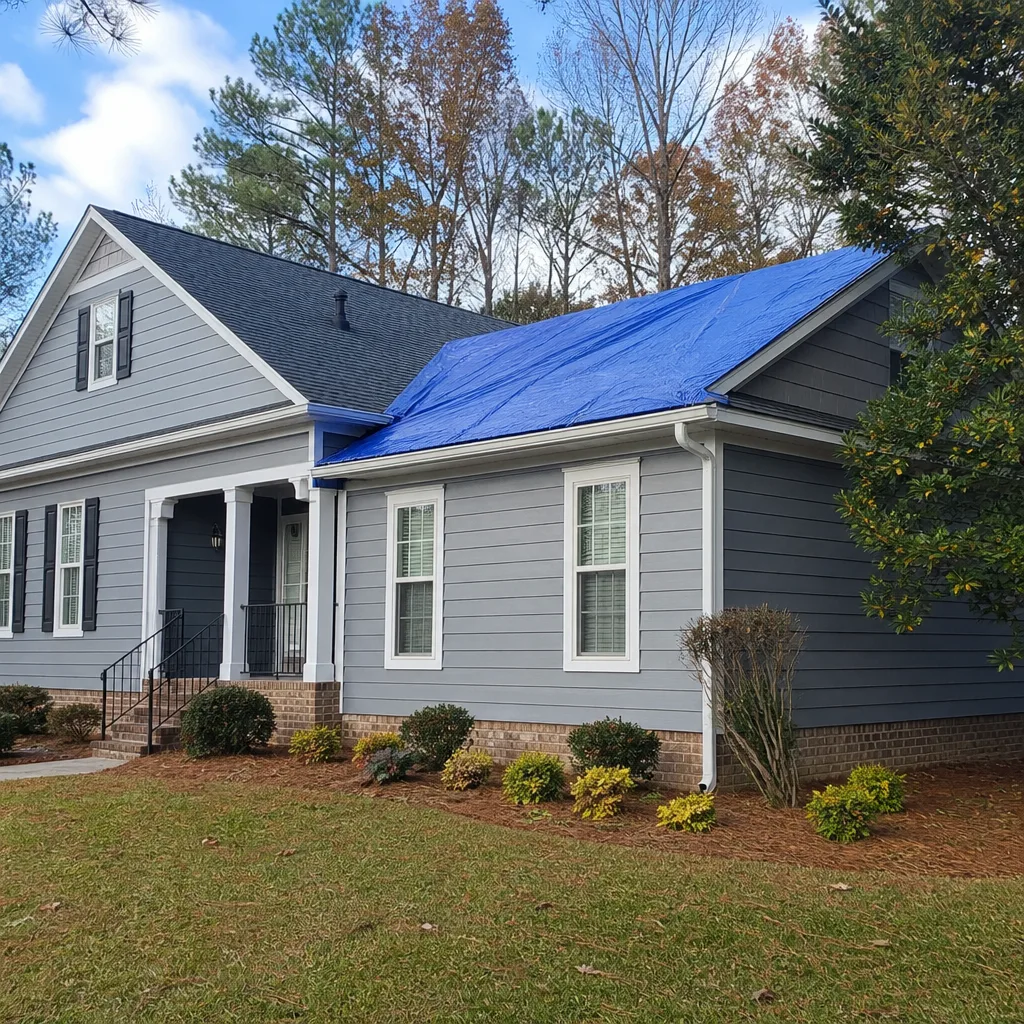
Mitigation means stopping the active damage. This includes shutting off water sources, extracting standing water, removing unsalvageable wet materials that will feed mold, and setting up initial drying equipment. The goal is simple: prevent the damage from getting worse. Insurance policies typically require the homeowner to take “reasonable steps” to mitigate. If you wait two days before calling anyone, the adjuster may classify the resulting mold as neglect, and that is a claim denial you cannot easily reverse. In our experience on Rialto jobs, the crews that succeed are the ones who treat mitigation as an emergency, not a scheduling conversation.
Phase 2: Structured Drying
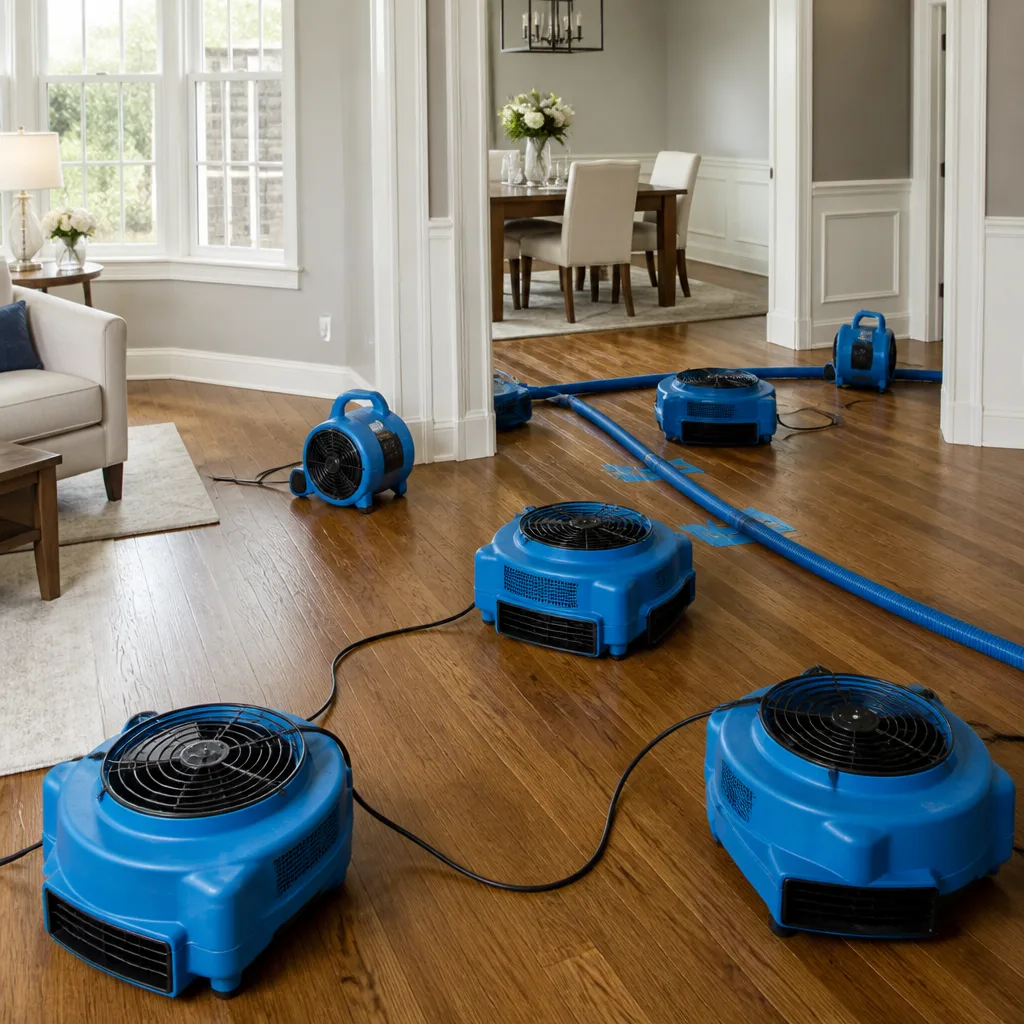
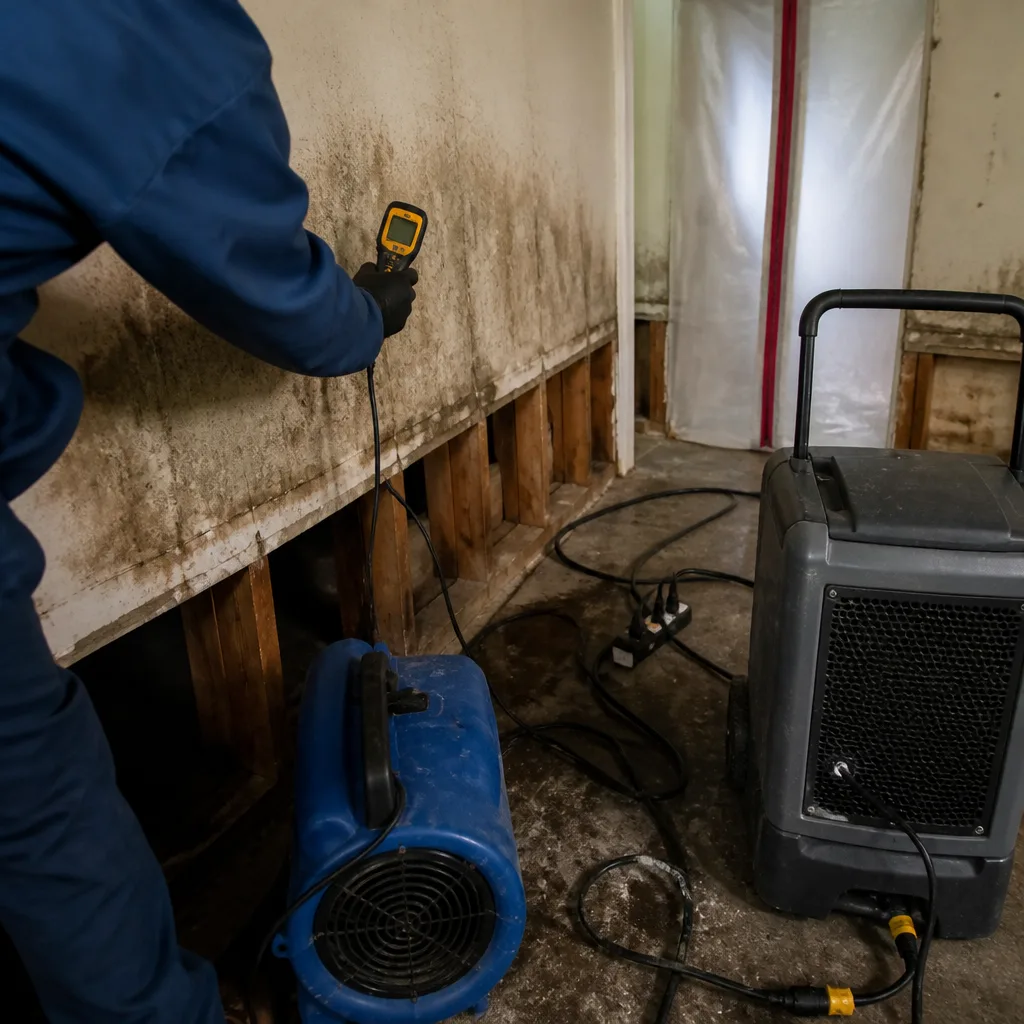
This is where the real technical work happens. Structured drying uses a calculated balance of airflow, heat, and dehumidification to pull moisture out of structural materials like drywall, framing, and subfloor. The equipment matters. We run Dri-Eaz dehumidifiers and Phoenix axial air movers, the same professional-grade systems used by national restoration franchises. The goal is to reach a dry standard defined by the IICRC, not “feels dry to the touch.” Moisture that remains trapped in wall cavities becomes mold in as little as 48 to 72 hours. That is why drying is measured with moisture meters and documented daily, not guessed at.
Phase 3: Selective Demolition
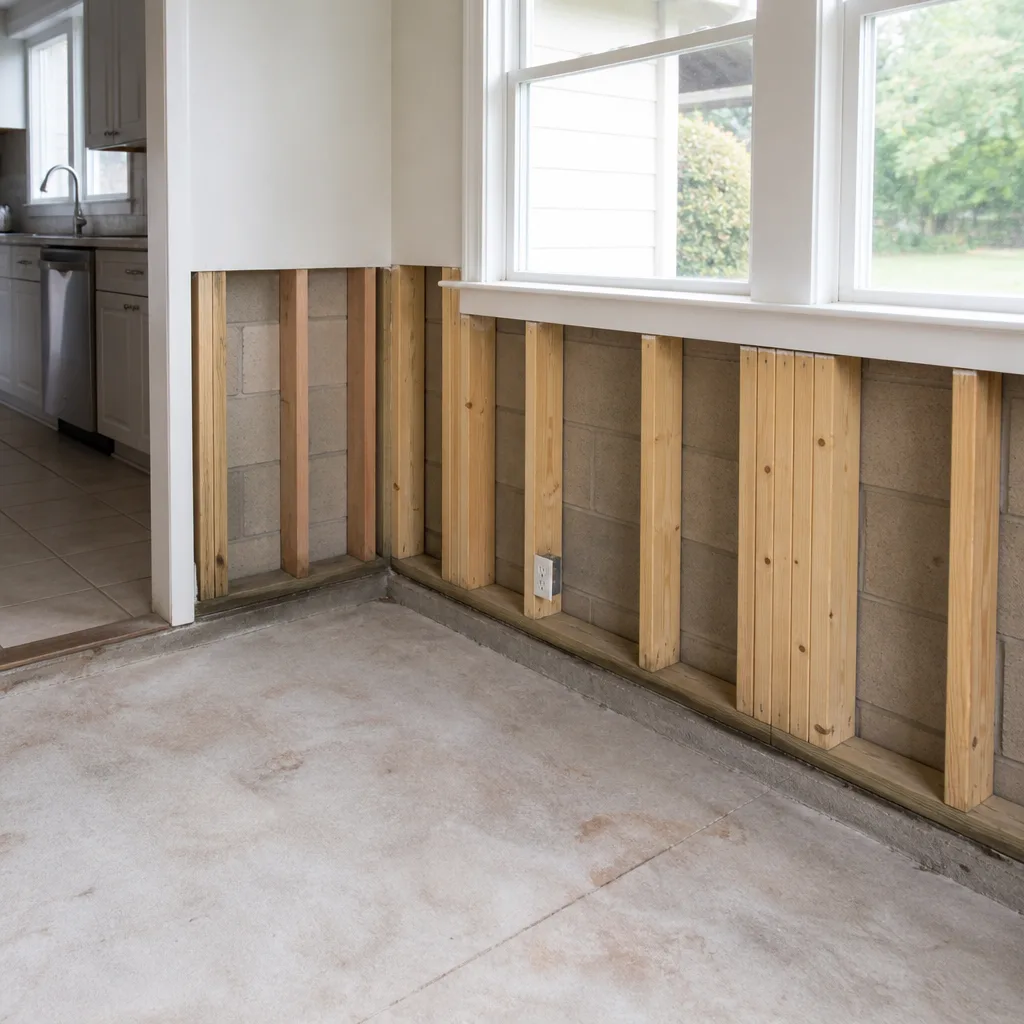
Some materials cannot be dried and must be removed. Drywall that has wicked water more than a foot above the floor, insulation that has compressed and lost its R-value, carpet pad that has soaked through. Selective demolition is the surgical removal of only what cannot be saved. This is where the Injectidry wall-cavity drying system changes the economics. Injectidry forces air directly into enclosed wall cavities, which in many cases lets us dry the interior of a wall without tearing open the drywall. Less demolition means lower rebuild costs and a shorter project timeline. On Rialto homes with lath-and-plaster from the 1950s and 60s, that difference can be thousands of dollars.
Phase 4: Rebuild
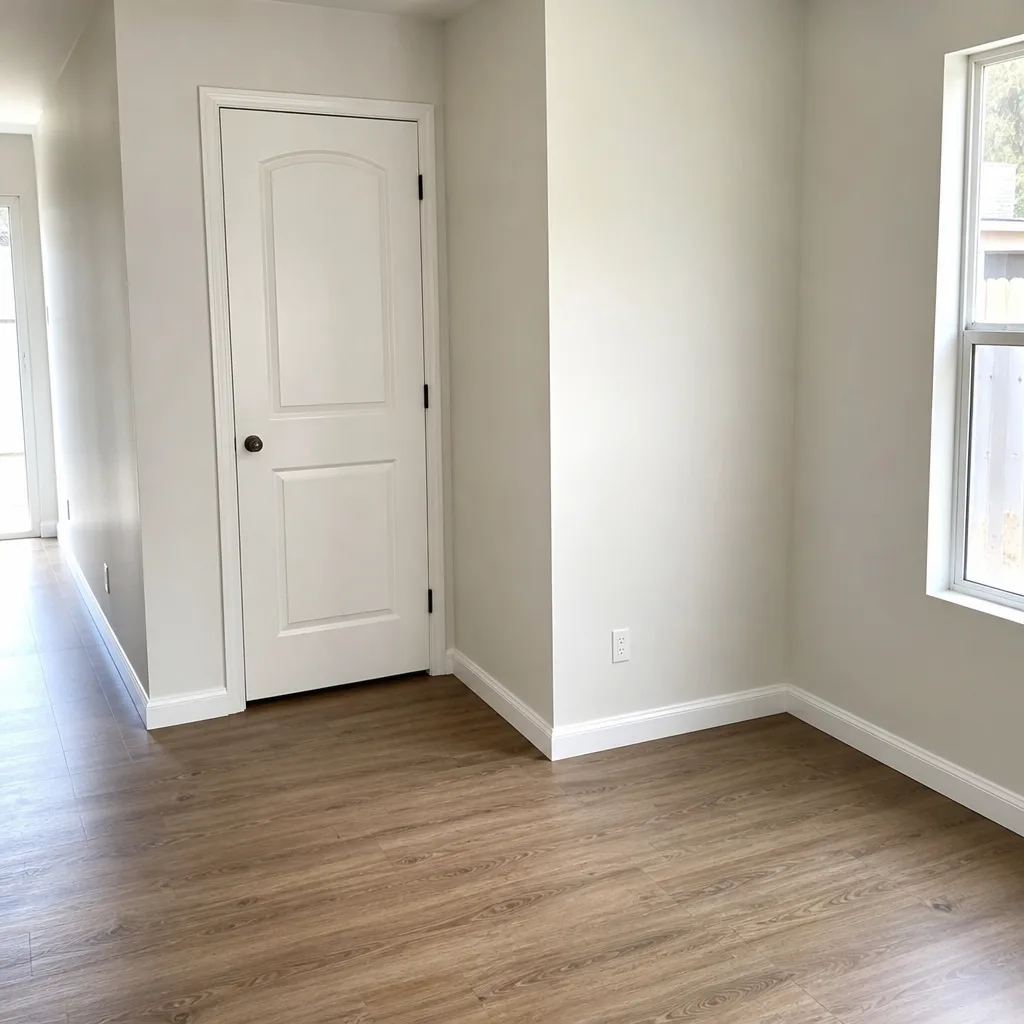
Only after the structure hits its drying target does reconstruction begin. This phase includes drywall replacement, paint, flooring, cabinetry, and any other finish work needed to return the property to pre-loss condition. Rebuild is scoped, priced, and scheduled in writing, like a remodel. It is not emergency work. A contractor who starts hanging drywall before the structure is dry is building mold into the walls, and you will pay for that twice.
Phase 5: Clearance
The final phase is verification. The IICRC S520 standard for mold remediation requires post-remediation clearance testing when mold is involved. Even on water-only jobs, a final moisture reading should confirm the structure hit its target before equipment comes off site. Clearance is the proof that the job is done, and it is the document your adjuster needs to close the claim. From extraction to clearance, the entire sequence should live in one paper trail. That paper trail is what separates a professional restoration from a handyman with a fan.
Why Rialto’s Climate Changes Drying Timelines
Drying a structure in Rialto is different from drying one in Santa Monica or Huntington Beach. Coastal California jobs fight ambient humidity; Rialto’s inland climate is typically dry, which helps evaporation. But what many contractors miss is the heat. Summer temperatures in Rialto routinely exceed 95 degrees, and a hot interior space without proper dehumidification can drive moisture deeper into porous materials instead of pulling it out. The physics get counterintuitive: hot air holds more water vapor, so a hot room full of evaporating moisture can actually raise the indoor relative humidity to damaging levels if the air is not being processed through a dehumidifier.
A second Rialto-specific factor is the housing stock itself. Much of the residential inventory was built between 1950 and 1980, which means slab foundations, stucco exteriors, and older plumbing. Slab foundation homes in Rialto are especially prone to concealed water leaks from copper supply lines running under the slab. Those leaks do not announce themselves with standing water; they show up as unexplained humidity, warped flooring, or a water bill that spikes. By the time visible damage appears, the moisture has often been migrating through the concrete for weeks. That changes the drying approach significantly and is exactly why moisture mapping matters more than a visual inspection.
What IICRC S500 and S520 Actually Require
Most homeowners have never heard of the IICRC standards until a restoration contractor mentions them. Here is what they actually mean on a job site. The IICRC is the Institute of Inspection, Cleaning and Restoration Certification, and it publishes the industry’s reference standards for water damage restoration (S500) and mold remediation (S520). These are not government regulations, but they are the standard of care that insurance companies and courts use to evaluate whether a restoration was done correctly.
The S500 standard covers water damage restoration and requires, among other things: a documented moisture assessment before work begins, a drying plan that specifies target moisture levels, daily monitoring records, and final moisture readings to confirm the job is complete. It also classifies water into three categories, clean water, gray water, and black water, each with different safety and handling requirements. A contractor who does not classify the water before starting is not following S500.
The S520 standard covers mold remediation and requires containment, negative air pressure in the work zone, HEPA filtration, removal of contaminated materials, cleaning of remaining surfaces, and post-remediation verification. What S520 does not require, and what no competent remediation company should do, is fogging or spraying chemicals as a substitute for physical removal of mold. Mold is a particulate problem, not a chemical problem. If a contractor’s plan is to “spray and paint,” they are not following S520.
How do you confirm your contractor follows these standards? Ask a direct question: “Can you walk me through your S500 moisture mapping and daily drying log?” A certified team will answer with specifics. A generalist will deflect or give you a vague answer about equipment. We are an IICRC-certified team, and our documentation is built for insurance-level scrutiny because that is the standard the job requires.
Mitigation vs. Restoration: Why the Distinction Matters
The words sound interchangeable but they describe two completely different scopes of work, and conflating them is one of the most expensive mistakes a Rialto homeowner can make. Mitigation is stopping active loss: extracting water, setting equipment, preventing further damage. Restoration is returning the property to pre-loss condition: rebuilding, refinishing, replacing. They require different skill sets, different timelines, and often different contractors.
The problem arises when one company handles mitigation and then hands you off to a different company for rebuild. Information gets lost, the drying documentation never makes it to the rebuild crew, and the homeowner becomes the project manager between two vendors who have never spoken. That is precisely when a $4,000 water claim becomes a $40,000 rebuild, because the drying was not verified before the new drywall went up. Hiring one company that handles Water Damage Restoration in Rialto, Mold Remediation in Rialto, and Fire Damage Restoration in Rialto under one roof eliminates the handoff gap. The same project manager who signed the drying log is the one who signs the rebuild scope. That continuity is not a convenience; it is a claims protection strategy.
How to Read a Moisture Mapping Report
The moisture mapping report is the single most important document in your restoration file, and most homeowners never look at it. A proper moisture map shows readings taken at multiple points across every affected room, recorded with a calibrated moisture meter, before equipment placement begins. It is the baseline that every drying decision depends on, and it is the primary evidence your adjuster uses to approve equipment days and labor.
Here is what to look for. A professional moisture map shows specific readings, usually as a percentage or a reference scale, at each tested location. It shows the dry standard for the affected materials, which is the target reading that represents “dry” for that material type. It shows the date and time of each reading. And it is updated daily as the structure dries. If your contractor cannot produce a moisture map, or the map is a single reading taken in one corner of one room, you are not working with a professional restoration protocol.
One section of a moisture report that often surprises homeowners is the wall cavity reading. Surface readings can look dry while the cavity behind the drywall is still wet. That cavity moisture is what feeds mold inside walls where you cannot see it. This is exactly why we run Injectidry cavity-drying systems on Rialto jobs where moisture has wicked into wall cavities. The Injectidry forces dry air directly into the enclosed space, drying from the inside out, and the moisture map shows the cavity readings dropping day by day. That is the paper trail that says the drying worked. Your adjuster knows how to read it. Now you do too.
The Insurance Paper Trail: Documentation That Wins Claims
Insurance adjusters are not your adversary, but they have a job, and that job is to verify that every dollar paid out was necessary. The restoration company’s documentation is what makes verification possible. When the paperwork is thin, the adjuster denies or delays. When the paperwork is thorough, the claim pays. That is the entire game.
A proper restoration file includes: initial moisture mapping before equipment placement, photo documentation of all affected areas before work begins, a written drying plan with equipment placement locations, daily moisture readings, a demolition log itemizing materials removed and why, and a final moisture verification confirming the structure hit its dry standard. On mold jobs, add containment setup photos, HEPA filter change logs, and post-remediation clearance testing. We build our documentation for insurance-level scrutiny from the first day because the adjuster will see everything eventually. A photo-documented job with a clear written scope agreed before work starts is the strongest position a homeowner can be in.
If you are working with an adjuster who is unresponsive or a carrier that is slow-walking approval, a documented file is your leverage. It converts a “he said, she said” dispute into a factual record. In the Rialto market, where claims range from small water heater failures to whole-home fire losses, the difference between a closed claim and a reopened one is almost always the quality of the documentation.
Choosing a Restoration Contractor in Rialto
The contractor you choose in the first hour determines the outcome more than any other decision you will make. Here is a checklist, in order of importance, for evaluating a restoration company in Rialto.
- Confirm the IICRC certification. Ask for the certification number and verify it. A certified firm has passed testing on the S500 and S520 standards and is accountable to an industry body.
- Ask what equipment they run. The answer should include brand names, not generic “industrial fans.” Professional-grade equipment from Dri-Eaz, Phoenix, and Injectidry is measurable and verifiable. A company that names its equipment is running a real operation.
- Ask about their drying documentation. If they cannot describe a moisture mapping report and a daily drying log, they are not following the standard of care. Move on.
- Check their affiliations. Membership in the RIA (Restoration Industry Association) and IFA (indoor air quality standards body) signals a company that participates in the professional restoration community, not one that bought a truck and a logo.
- Confirm they handle the full sequence. A water damage company that does not do mold remediation will hand you off the moment the drying is done. You want one team from extraction to clearance.
- Get the scope in writing before work starts. A written scope with line-item pricing protects you from the oversell problem this industry is known for. It is the single best defense against a surprise invoice.
Common Mistakes to Avoid
- Waiting to call. Every hour of delay after a water event lets moisture migrate deeper into structural materials. In Rialto’s summer heat, the evaporation rate accelerates, which sounds helpful but actually drives moisture into wall cavities faster. Call first, ask questions later.
- Using a general contractor for mitigation. General contractors build things. They do not typically run moisture maps or understand the S500 drying standard. The first 48 hours require a restoration specialist, not a builder.
- Turning off the equipment too early. The equipment is loud and you are tired of it. But the daily moisture readings decide when it comes off site, not the noise level or your patience. Pulling dehumidifiers early is the number one cause of delayed mold claims we see in Rialto.
- Accepting a verbal scope. “We’ll take care of it” is not a contract. A written scope agreed before work starts protects both parties and is the document your adjuster will ask for. If a contractor resists writing it down, that is a signal.
- Trying to handle sewage yourself. Black water from a sewage backup contains pathogens that require containment, PPE, and professional disposal. This is not a DIY situation. Even touching contaminated materials without proper protection is a health hazard.
- Assuming insurance will cover everything without documentation. The adjuster was not there when the pipe burst. Your photos, your moisture maps, your drying logs are the evidence that makes the claim real. A restoration company that does not document is costing you money even if the work looks fine.
- Painting over mold. If you smell mold or see discoloration, painting over it does not remove the problem. It hides it while the colony continues growing behind the paint. The S520 standard requires physical removal, not encapsulation with a coat of paint.
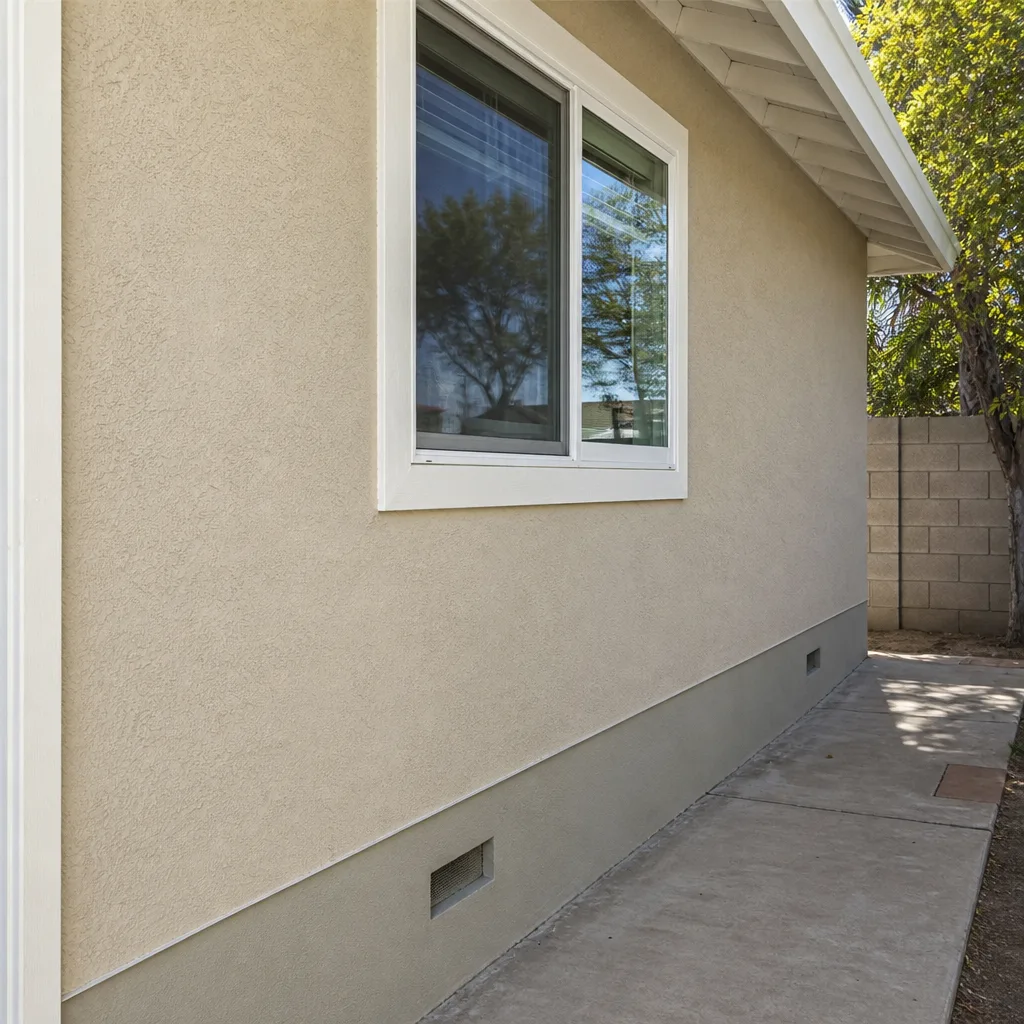
See the difference
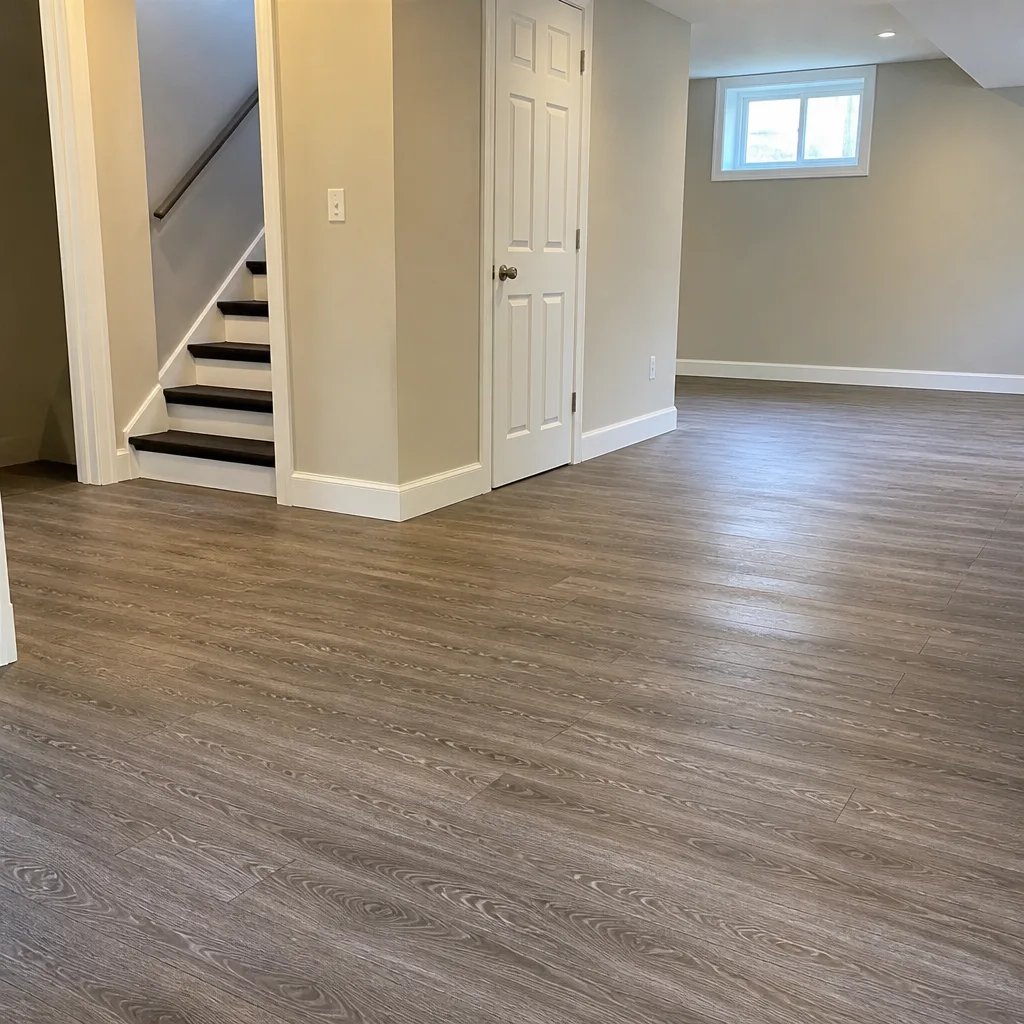
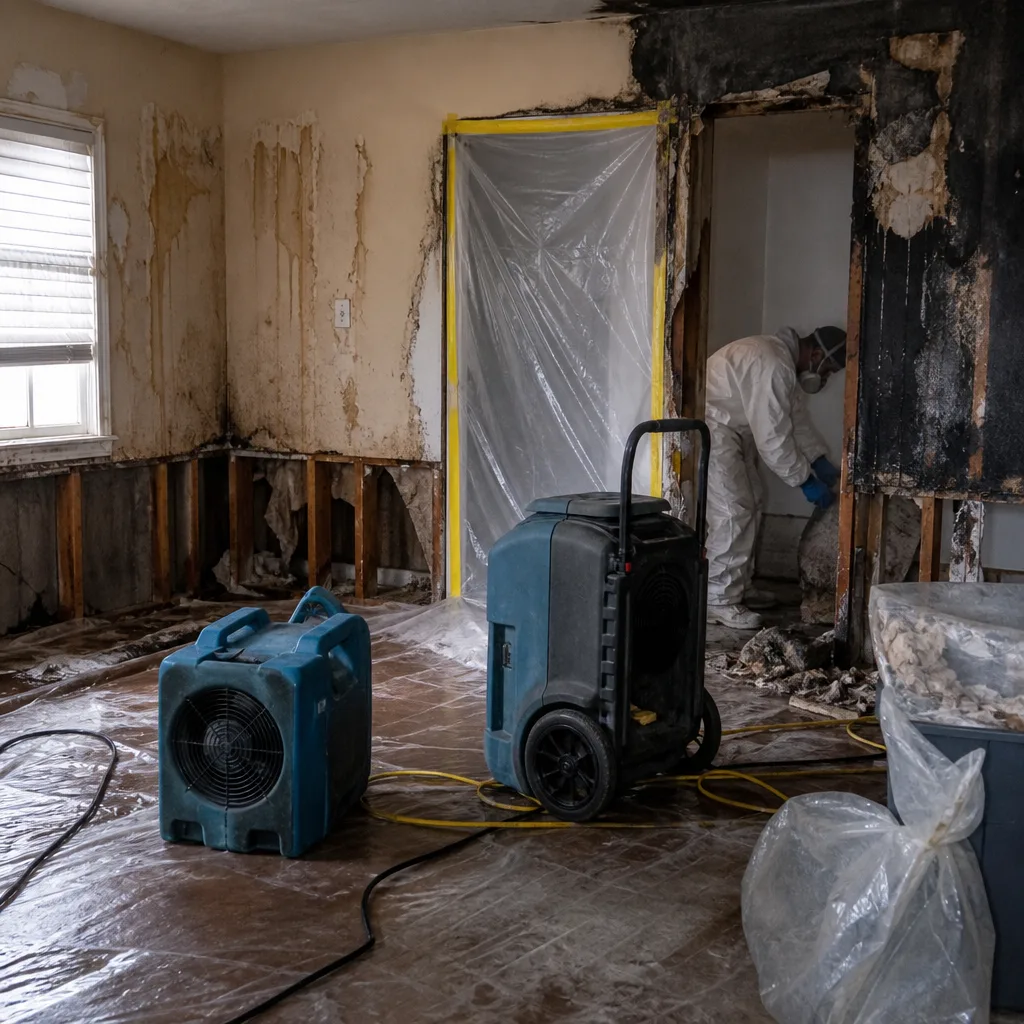 Before
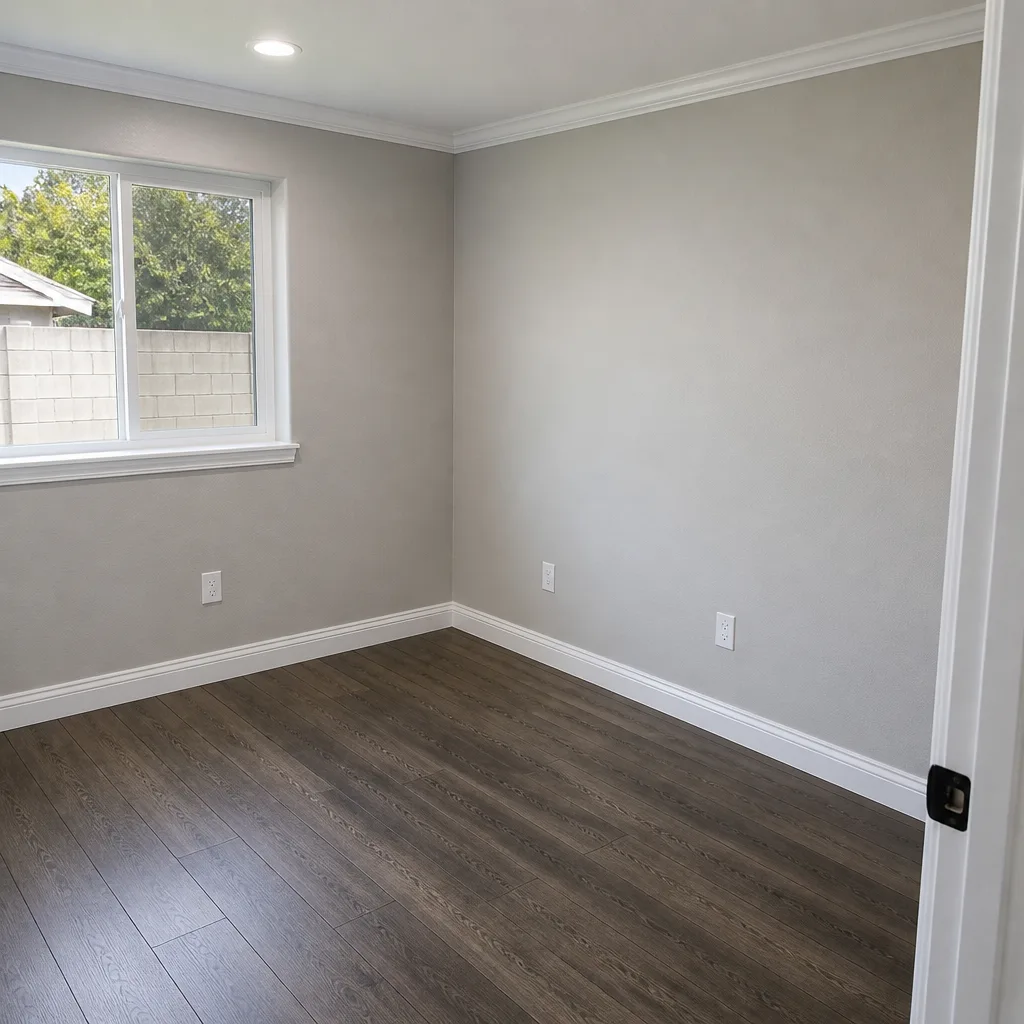 After
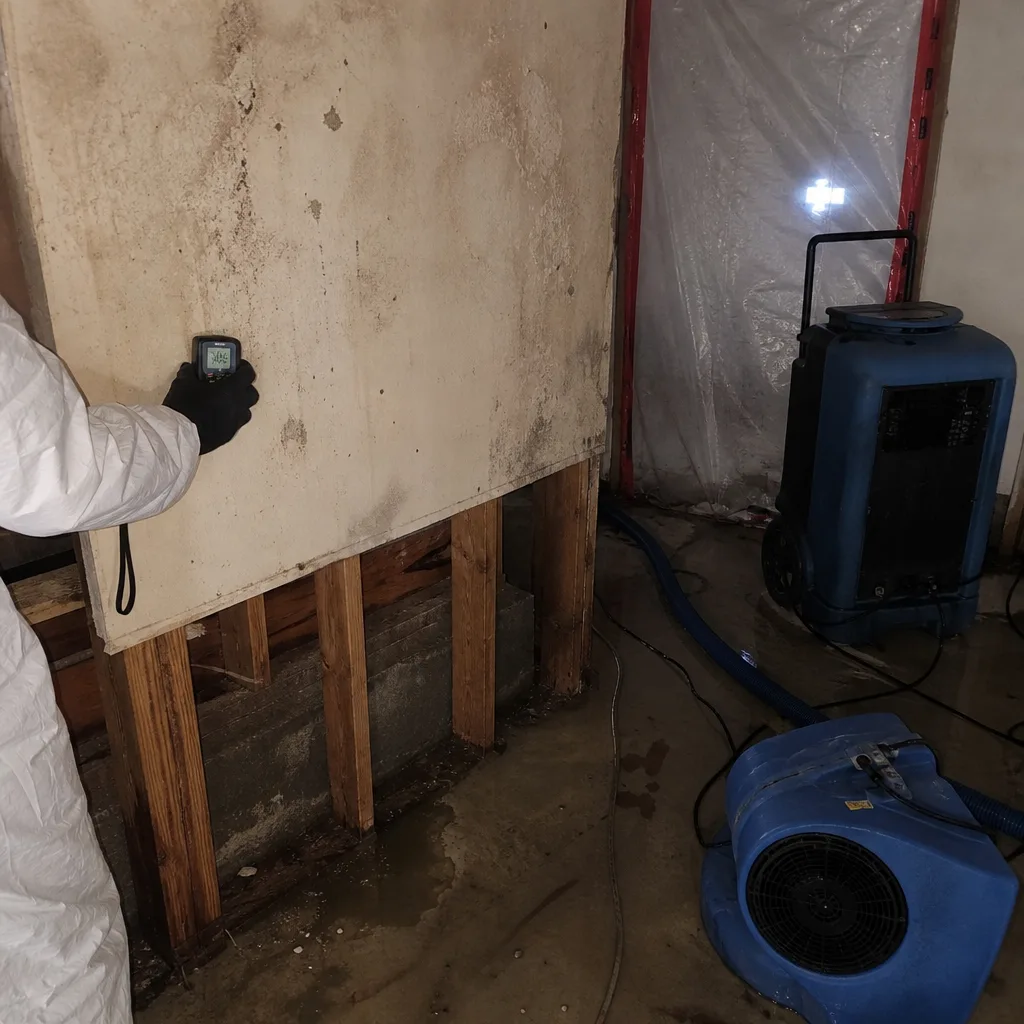 Before
 After
 Before
 After
When to Call a Professional
Call a professional the moment you notice standing water that covers more than a few square feet, water seeping through walls or ceilings, a sewage backup of any size, a persistent musty odor you can smell but not locate, visible mold growth larger than a dinner plate, or any fire damage that produced smoke residue on walls and ceilings. These are not scenarios where waiting clarifies the situation; they are scenarios where waiting compounds the cost. If you are in Rialto or anywhere in the Inland Empire, Trailblazer Water Damage offers free estimates and photo-documented assessments. Call (866) 472-6137 and a certified team will walk you through the sequence before any work begins.
Frequently Asked Questions
Water damage restoration in Rialto typically ranges from $2,500 to $8,000 depending on the affected square footage and the water category, while mold remediation averages $3,000 to $12,000 and fire damage restoration often starts around $5,000 for smoke cleaning alone. See our Damage Restoration Cost Breakdown: The Rialto Homeowner’s Reference for 2026 for detailed pricing factors. Every job is different, which is why a written scope based on a moisture map is the only honest pricing method. Call (866) 472-6137 for a free estimate with a documented assessment.
Most homeowners policies in California cover sudden and accidental water damage, mold remediation when it results from a covered water loss, and fire and smoke damage, but they exclude gradual leaks and maintenance issues. The key variable is documentation: your restoration company’s moisture maps, photos, and drying logs are what the adjuster uses to approve the claim. We build our documentation for insurance-level scrutiny because the difference between a paid claim and a denied one is almost always the paper trail.
In an active water emergency, the mitigation crew should be dispatched immediately because every hour of standing water increases the damage. Review our Damage Restoration Emergency Preparedness Guide for Rialto Homes to prepare before a crisis hits. For mold remediation and fire restoration, the assessment happens on a scheduled basis because the acute emergency has already passed. The speed that matters most is the speed of the assessment, not the speed of the rebuild.
That depends on the water category and the extent of the moisture. Clean water from a supply line may require only structural drying, while gray or black water requires material removal and sanitization because of contamination. Mold growth larger than 10 square feet requires containment and professional remediation under the S520 standard, not a surface cleaning. A moisture map and a visual inspection will tell you which situation you are in.
A professional restoration company should communicate directly with your adjuster on your behalf, providing the documentation, photos, and scope that the adjuster needs to process the claim. You should still be copied on everything, but you should not be the one translating moisture readings for an insurance professional. That is part of the restoration service.
Rialto’s inland climate is drier than coastal areas, which helps surface evaporation but creates a hidden risk: summer heat can drive moisture deeper into structural cavities if dehumidification is not managed properly. Additionally, Rialto’s older housing stock, much of it built on slab foundations between 1950 and 1980, is prone to concealed under-slab leaks that require specialized drying approaches. These are the local conditions that make moisture mapping and daily drying logs essential.
The Bottom Line
Damage restoration in Rialto is a sequence, not an event. The five phases, mitigation, drying, demolition, rebuild, and clearance, must happen in order, with documentation at every step. Skipping a phase does not save time or money; it moves the cost to a future, more expensive problem. Your strongest position as a homeowner is a certified contractor who runs professional-grade equipment, follows the IICRC standards, and hands you a moisture mapping report you can actually read. If you are facing water, mold, or fire damage, call (866) 472-6137 for a free estimate, or explore more guides & resources on our blog. We dry it right the first time.
Written by the team at Trailblazer Water Damage, serving Rialto since 2013.