Last updated October 30, 2026
 Water damage drying
 Fire & smoke cleanup
 Mold remediation
 Storm response
 Sewage cleanup
 Reconstruction
Free visual inspection and a written scope of work before any mitigation begins - photos, moisture readings, and drying logs go in your claim file
The scope we write is the scope we bill. Anything new gets shown to you, in writing, before we touch it.
Get your free estimateChoosing the Right Damage Restoration Brand: A Buyer’s Guide for Rialto
Here’s a fact most restoration marketing won’t tell you: a nationally recognized franchise brand is only as good as the individual operator who holds that license. In California, the franchisor’s liability ends at the franchise agreement. Your recourse for a botched job runs against the local LLC, not the national name on the van. That’s why homeowners in Rialto who pick a restoration company by logo recognition alone are gambling with the single most expensive repair decision they’ll make this decade. This guide breaks down exactly what to check before you let anyone touch your walls, floors, or air quality after a water intrusion, mold discovery, or fire event in Rialto. For a deeper dive, see our The Complete Guide to Damage Restoration in Rialto.
Restoration work we handle
Quick Answer
The best damage restoration company in Rialto isn’t the one with the biggest brand name or the most Google reviews. It’s the operator with active IICRC firm certification, a professional-grade equipment inventory (Dri-Eaz, Phoenix, XPOWER, B-Air, or Injectidry systems), verifiable California contractor licensing, and a written scope of work that references IICRC drying standards rather than vague completion dates. In our experience at Trailblazer Water Damage home, these four factors predict job quality better than any franchise logo or star rating.
Table of Contents
- Why Brand Name Fails as a Selection Criterion in Rialto
- The IICRC Baseline: Firm Certification vs. Technician Cards
- The Equipment Audit: What a Real Restoration Inventory Looks Like
- Franchise vs. Independent Operator: The Trade-Off That Matters by Loss Type
- The Three-Source Vetting System: Under Ten Minutes, Zero Guesswork
- Contract Terms That Separate Professionals from Storm Chasers
- Rialto-Specific Factors: Climate, Housing Stock, and Code Realities
- Common Mistakes to Avoid
- When to Call a Professional
- Frequently Asked Questions
- The Bottom Line
Why Brand Name Fails as a Selection Criterion in Rialto
Restoration is not like buying a car or a furnace. When you hire a restoration company, you’re not buying a product that was manufactured to spec in a controlled facility. You’re buying the judgment, equipment, and workmanship of whoever shows up at your door at 2 a.m. with a truck full of drying gear. The national brand contributed nothing to that truck. The franchise fee paid for a logo, a marketing platform, and maybe a pricing database. The actual work is done by a local operator who may be excellent or may be coasting on the brand’s reputation.
Rialto’s housing stock makes this distinction sharper. We’re working with homes built across six decades, from 1950s ranch styles near the 210 corridor to 1990s tract developments north of the 10. Wall assemblies, subfloor configurations, and HVAC layouts vary wildly across that range. A brand name doesn’t know your home. A local operator who has dried 40 houses in Rialto’s specific housing mix does.
What you’re actually selecting when you choose a restoration company is three things: the certification stack, the equipment inventory, and the contract terms. Everything else is branding.
The IICRC Baseline: Firm Certification vs. Technician Cards
Here’s the credential distinction most homeowners in Rialto never hear about. There’s a difference between a company that employs someone who once took an IICRC class and a company that holds IICRC firm certification. The first is a technician with a card. The second is an operation that has been audited against the IICRC’s standards for business practices, equipment maintenance, and documentation protocols. One card does not make a restoration firm. A firm certification signals an organizational commitment to the S500 water damage standard and the S520 mold remediation standard, not just an individual’s classroom hours.
Why does this matter for your claim? Because insurance adjusters recognize the difference. When an adjuster sees an IICRC-certified firm’s scope and daily moisture logs, the documentation carries weight. When they see a general contractor who added “water damage” to a service list, the adjuster starts asking more questions, requesting more photos, and slowing the claim down. You feel that in the timeline.
Here’s what our team at Water Damage Restoration in Rialto checks before touching water: the RIA affiliation signals membership in a professional body that holds members to published restoration standards, and the IFA affiliation puts indoor air quality protocols into the scope, not as an afterthought. Three distinct bodies. Three different accountability structures. A generalist contractor might carry none of them.
The Equipment Audit: What a Real Restoration Inventory Looks Like
You can tell more about a restoration company from its equipment list than from any ad copy. Not every job needs every piece, but a company built for restoration owns and maintains a fleet that covers the full damage sequence. Here’s the checklist we recommend Rialto homeowners run before signing anything:
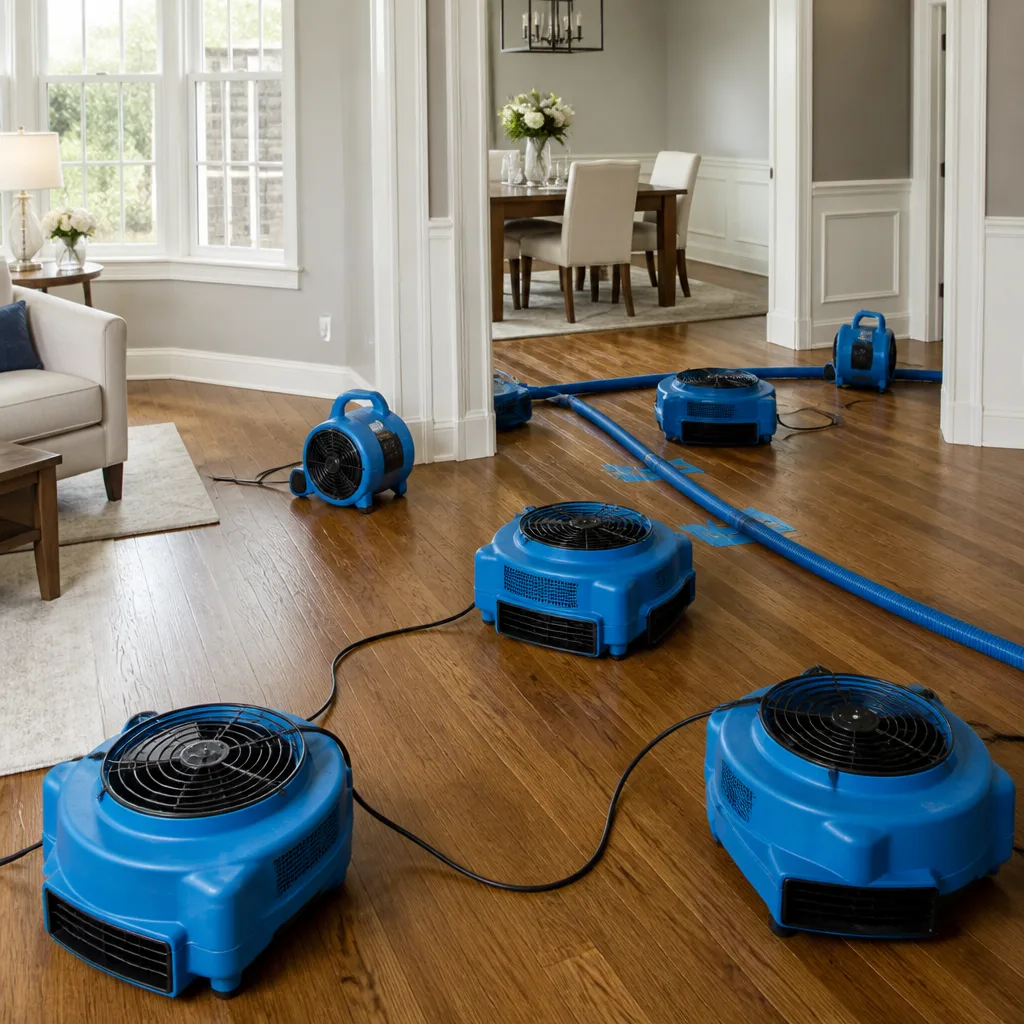
- LGR (low-grain refrigerant) dehumidifiers: These are not the units you rent from a hardware store. LGRs pull moisture down to specific grain levels required by the IICRC drying standard. If a company shows up with residential dehumidifiers, they’re a cleanup crew, not a restoration firm.
- Axial air movers: Centrifugal air movers focus airflow; axial air movers move large volumes across wide surfaces. A restoration inventory has both, because wall cavities and open floor areas dry differently.
- Thermal imaging cameras and moisture meters: You cannot dry what you cannot measure. A company that doesn’t own and use thermal imaging is guessing at moisture boundaries. Guessing leads to mold later.
- Truck-mounted extraction units: Portable extractors are fine for small losses. Truck-mounted units move hundreds of gallons per minute for large water events, and they signal a company equipped for serious damage, not just puddles.
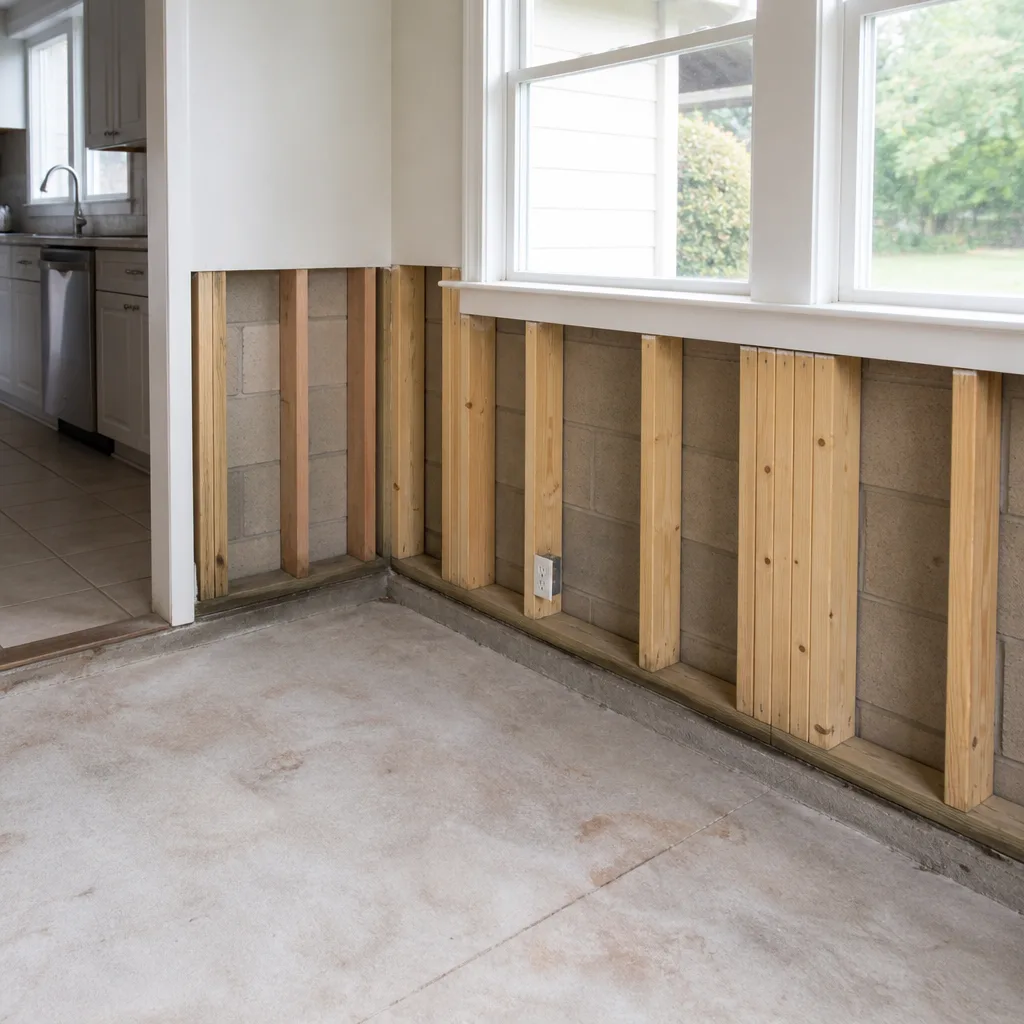
- Injectidry cavity-drying systems: This is a specialty piece. Injectidry forces dry air into wall and floor cavities, drying inside a wall without tearing out the drywall from stem to stern. It reduces demolition, shortens drying time, and brings the project cost down. We run Injectidry on Rialto jobs regularly, and it changes the scope conversation with adjusters.
Brand names to listen for when a company describes its fleet: Phoenix and Dri-Eaz for dehumidification, XPOWER and B-Air for air movement, and Injectidry for cavity drying. These are the same systems the national franchises run. Independent operators with this equipment stack are competing at the same technical level with lower overhead and often faster dispatch.
Franchise vs. Independent Operator: The Trade-Off That Matters by Loss Type
The franchise-versus-independent decision is not one-size-fits-all. The right choice depends on what actually happened to your property.
When a franchise makes sense: Large, complex commercial losses. Multi-story medical buildings, municipal facilities, anything where the insurance carrier demands a national pricing database and standardized reporting. Franchises have national service-level agreements with major insurers, which can smooth the billing process on big commercial claims.
When an independent operator makes more sense: Most residential losses in Rialto. Here’s why. An independent restoration company has one owner, one phone number, and one reputation in the local market. If the drying plan isn’t working, you’re talking to the person who owns the company, not a regional manager three time zones away. Independent operators also tend to run leaner, which means they’re not passing franchise royalty fees through to the job estimate. And on a single-family home water loss in Rialto, the scope is contained enough that a well-equipped independent with the right certifications will do as good or better a job than the franchise van parked next to it. For more on what this process looks like, read The Complete Water Damage Restoration Guide for Rialto Homeowners.
We’ve seen this play out both ways in the Inland Empire. The customer who got the franchise logo but a brand-new technician with two weeks of training. The customer who got the independent operator with 20 years of local drying experience and an Injectidry system that saved them a full kitchen remodel. The logo is not the variable. The operator is.
The Three-Source Vetting System: Under Ten Minutes, Zero Guesswork
You don’t need to become a restoration expert to vet a Rialto restoration company. You need to check three public sources. Together, they give you a clearer picture than any marketing brochure. Here’s the process:
- Search the IICRC online directory for the company’s firm certification. Do not accept a technician card as a substitute. Search the company’s legal name, not the marketing name. A firm certification in the directory confirms the business itself, not just an employee, is recognized. This is your baseline. No firm certification, no hire.
- Run the California CSLB license lookup. Enter the license number the company provides and confirm it’s active, current, and matches the legal entity that will sign your contract. In Rialto, unlicensed contracting is a real problem in the damage restoration space, especially after storms and floods when out-of-area operators sweep through. The CSLB lookup takes two minutes and eliminates the worst actors.
- Read the BBB complaint history, not just the rating. A company with 50 complaints and a B+ rating tells you something a company with 2 complaints and an A+ doesn’t. Look at how complaints were resolved. Look for patterns: billing disputes, scope creep, abandonment mid-job. Restoration is messy by nature, but a pattern of unresolved complaints is a signal.
That’s it. Ten minutes, three sources, and you know more about the company than most homeowners in Rialto know about the people they’ve already hired.
Contract Terms That Separate Professionals from Storm Chasers
The contract is where restoration companies reveal themselves. Read it. The terms below are what our clients at Mold Remediation in Rialto consistently tell us were missing from their previous bad experiences with other operators.
- Scope-locked pricing: A professional restoration firm writes a defined scope of work with a price attached and gets your signature before work begins. A storm chaser gives you an estimate that will “be refined as we go.” Refined is code for multiplied. If the contract allows the price to change without a written change order, walk away.
- Daily moisture reporting obligations: The contract should commit the company to providing daily moisture readings, psychrometric logs, and equipment placement updates. This is not optional paperwork. It’s the evidence your adjuster needs to approve continued drying time and the evidence you need if the job goes sideways. No daily reporting commitment, no hire.
- A written guarantee tied to the IICRC drying standard: A company that guarantees “the job will be done in 7 days” is guaranteeing nothing about your property’s actual moisture content. A company that guarantees the structure will meet IICRC drying standards before equipment is removed is guaranteeing an outcome, not a calendar date. These are different promises. One is marketing. The other is measurable.
- Insurance coordination built into the contract language: The contract should state that the company will provide photo documentation suitable for insurance claims, coordinate directly with your adjuster, and provide a written scope and daily logs in the format your carrier requires. If the contract doesn’t mention insurance documentation, you’re hiring a contractor who will make you the middleman in your own claim.
Rialto-Specific Factors: Climate, Housing Stock, and Code Realities
Rialto sits in a semi-arid climate with hot, dry summers and occasional intense winter rain events. That climate pattern shapes damage patterns. The summer heat doesn’t cause water damage, but it accelerates mold growth dramatically once moisture is present. A water intrusion that sits for 48 hours in a Rialto July will be a mold problem in a way the same intrusion in a coastal climate might not be. Speed matters differently here.
The housing stock is the second local variable. Homes built in the 1950s and 1960s in central Rialto often have plaster walls and different framing practices than the drywall-built homes from the 1980s and 1990s in the north side. Plaster responds differently to moisture than drywall. Some older Rialto homes also have additions and modifications that were permitted at different times, which means wall cavities don’t always match the original blueprint. That’s exactly the situation where Injectidry cavity drying shines, because it dries the cavity without requiring a full understanding of what’s inside the wall from the outside.
Code realities matter too. Any structural repair done as part of a larger restoration project must meet current California Building Code, including local Rialto amendments. A restoration contractor who isn’t pulling permits when the scope requires them is putting you in an uninsurable position. Fire Damage Restoration in Rialto work almost always involves structural assessment and permit requirements. Your contractor’s licensing, not just their drying equipment, is what makes the permit process legitimate.
Common Mistakes to Avoid
- Hiring based on Google review volume. Review volume is a marketing metric, not a quality metric. A company with 400 reviews may have a better review solicitation system than a company with 40, while the 40-review company has better drying outcomes. Check reviews for substantive detail about water loss scope, mold clearance pass, and insurance handling, not for star count.
- Accepting a technician card as firm certification. That card tells you one employee took a class. It says nothing about the company’s equipment maintenance, documentation systems, or business practices. You want firm certification.
- Skipping the CSLB license check because the company “seems professional.” Professional presentation is exactly what unlicensed operators invest in. The CSLB lookup is two minutes. Do it.
- Choosing the company your insurance carrier recommends without independent vetting. Insurance-preferred vendors are not bad by definition, but the carrier’s incentive is to keep claim costs down. Yours is to get your property dried correctly. Those incentives sometimes align and sometimes don’t. Vet the recommended company with the same three-source system.
- Signing a contract that doesn’t specify drying standards. If the contract doesn’t reference IICRC S500 or S520, there’s no measurable standard attached to the work. You’re hiring on trust, and trust doesn’t survive a moisture meter reading.
- Delaying mold assessment because you “haven’t seen any visible growth.” In Rialto’s climate, a water event that wasn’t dried with professional equipment within 48 to 72 hours has a meaningful probability of hidden mold. Visible mold is the trailing indicator, not the leading one.
When to Call a Professional
Call a restoration professional immediately if you’re dealing with water that has penetrated flooring, walls, or ceilings, especially if the water came from a supply line, a sewage backup, or a roof breach that saturated insulation. Call after any fire event that left smoke residue on surfaces, even small kitchen fires, because smoke penetrates cavities and requires professional cleaning to prevent long-term odor. Call if you smell must or see discoloration anywhere that stayed wet after a previous water event. And call if your insurance adjuster has asked for documentation you don’t know how to produce. Trailblazer Water Damage offers free estimates in Rialto, call (866) 472-6137 to get an assessment from a team that runs IICRC-certified protocols and the equipment to back them up. Check our Damage Restoration Cost Breakdown: The Rialto Homeowner’s Reference for 2026 to understand what to expect.
Frequently Asked Questions
Choose a company with active IICRC firm certification, a verifiable California contractor’s license, professional-grade drying equipment (LGR dehumidifiers, thermal imaging, and ideally Injectidry cavity-drying capability), and a written contract that ties completion to IICRC drying standards, not calendar dates. Verify all three on public databases before signing anything. Call (866) 472-6137 for a free assessment from an IICRC-certified team in Rialto.
A professional restoration company should own and maintain LGR dehumidifiers, axial and centrifugal air movers, thermal imaging cameras, moisture meters, truck-mounted extraction units, and ideally Injectidry cavity-drying systems. Brands like Dri-Eaz, Phoenix, XPOWER, and B-Air indicate a company invested in restoration-grade equipment, not rental units from a hardware store.
Not inherently. Franchises offer national pricing databases and insurer relationships that help on large commercial claims, but the quality of work depends on the local operator holding the franchise. Independent operators in Rialto often offer faster response, direct owner accountability, and the same professional equipment stack without the franchise royalty overhead, which matters for most residential losses.
IICRC firm certification means the restoration company itself, not just an individual technician, has been evaluated against the IICRC’s standards for business practices, equipment maintenance, and documentation. It matters because insurance adjusters give more weight to documentation from IICRC-certified firms, and it signals the company runs its operations around restoration science, not just marketing.
Most homeowner policies cover sudden and accidental water damage, like a burst supply line, but not gradual leaks or lack of maintenance. Mold remediation and fire/smoke restoration coverage varies by policy. A restoration company that provides photo documentation, daily moisture logs, and direct adjuster coordination will maximize what your policy pays. Call (866) 472-6137 to have Trailblazer Water Damage review your specific situation.
In Rialto’s warm climate, mold can begin growing within 24 to 48 hours of a water intrusion if moisture isn’t professionally extracted and dried. That’s why the first 48 hours are critical. If you’ve had water sitting longer than two days, don’t just dry the surface, get a mold assessment from a certified firm. Mold Remediation in Rialto requires professional containment and clearance testing, not just cleaning.
A professional restoration contract should include scope-locked pricing with written change order requirements, daily moisture reporting obligations, a written guarantee tied to IICRC drying standards, and insurance documentation commitments. If any of these four components is missing, you’re not dealing with a professional restoration operation.
The Bottom Line
Choosing a damage restoration company in Rialto comes down to credentials, equipment, and contract terms, not brand recognition. Verify IICRC firm certification, run the CSLB license lookup, check BBB complaint patterns, and read the contract for drying-standard language before you sign. A national franchise logo guarantees nothing about the quality of the local operator behind it. An independent operator with the right certification stack, a professional equipment inventory, and a written scope built for insurance-level documentation will move your damage event from crisis to closed claim faster and with fewer surprises. That’s the whole game.
Written by the team at Trailblazer Water Damage, serving Rialto since 2013.
See the difference
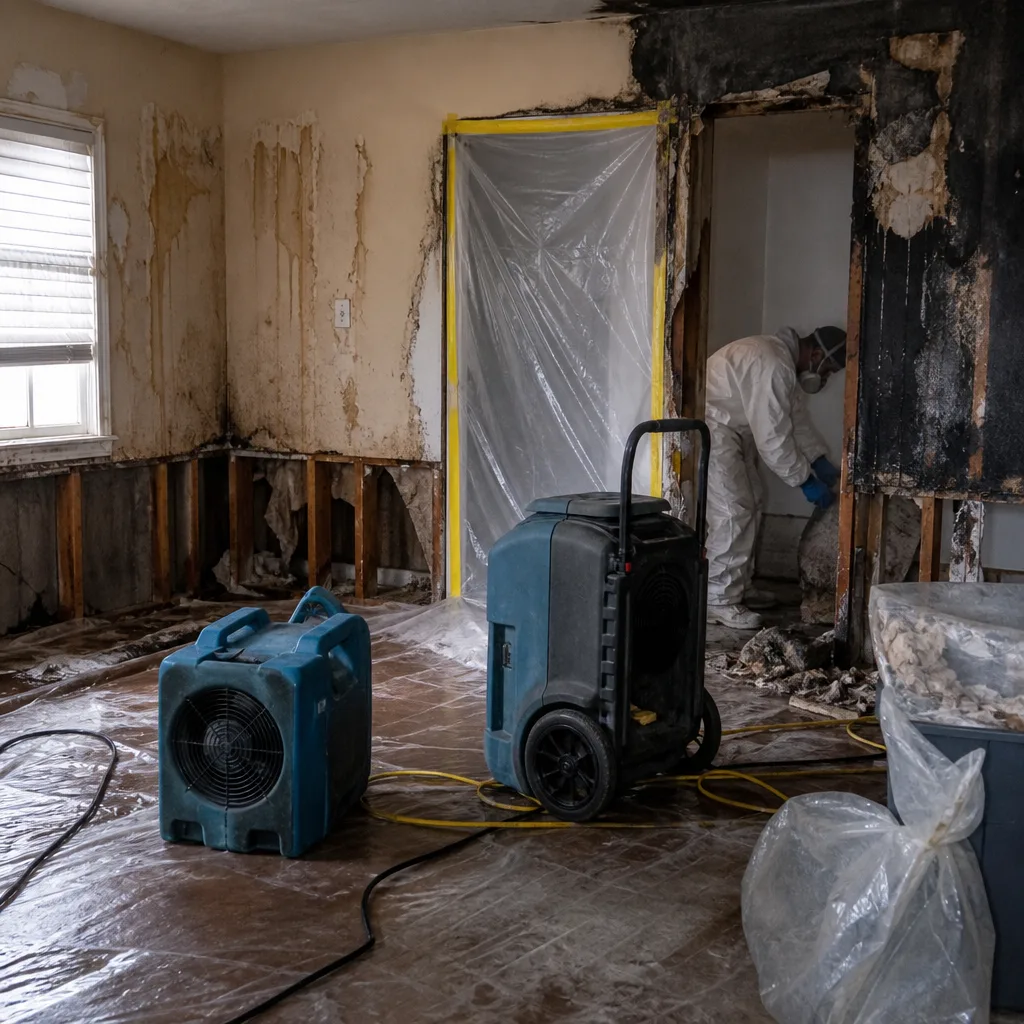 Before
 After
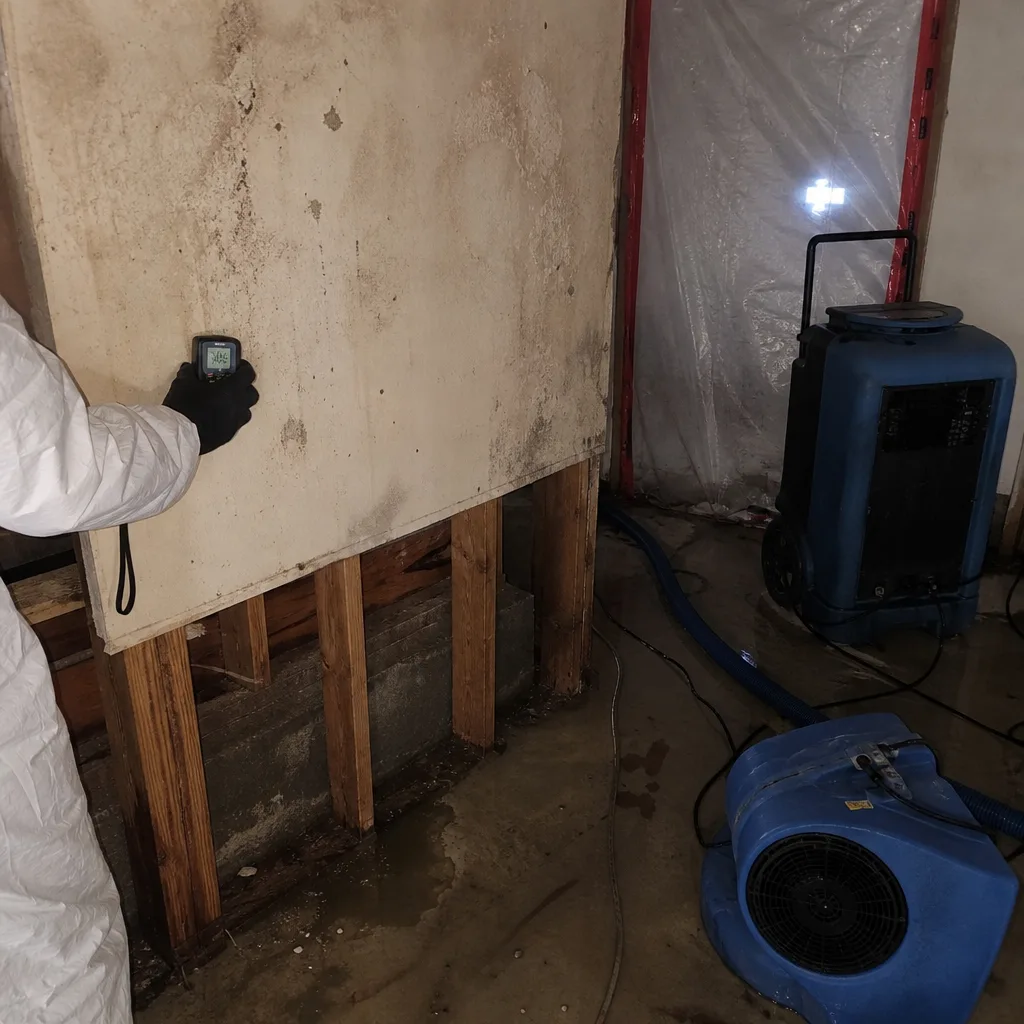 Before
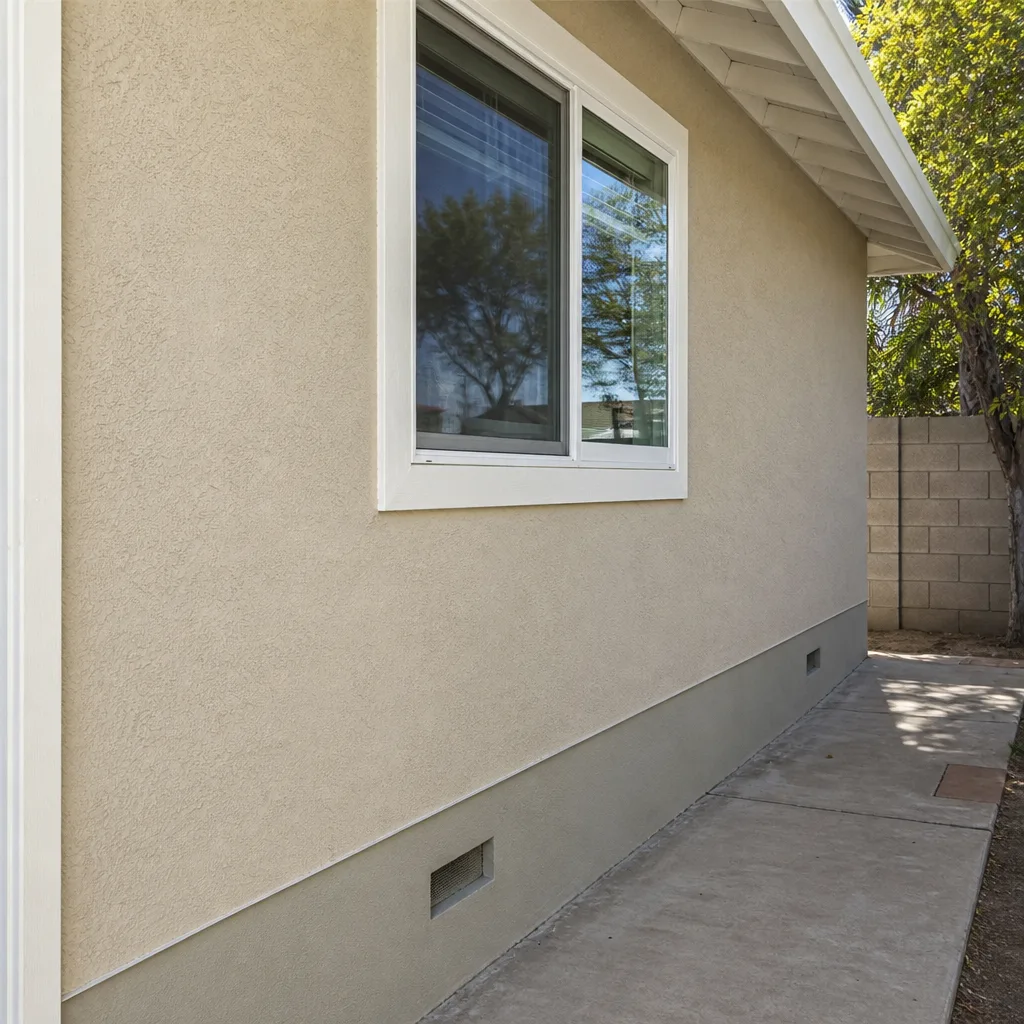 After
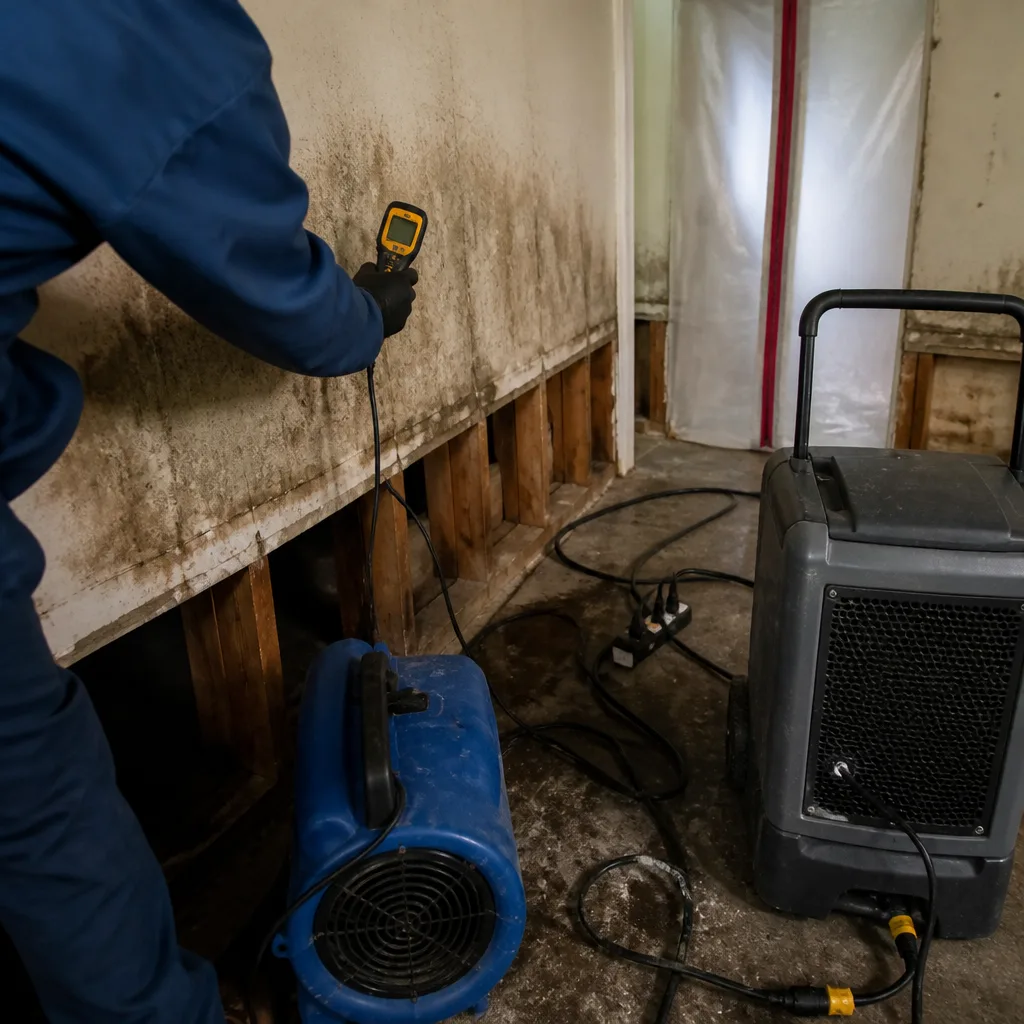 Before
 After