
Last updated October 30, 2026
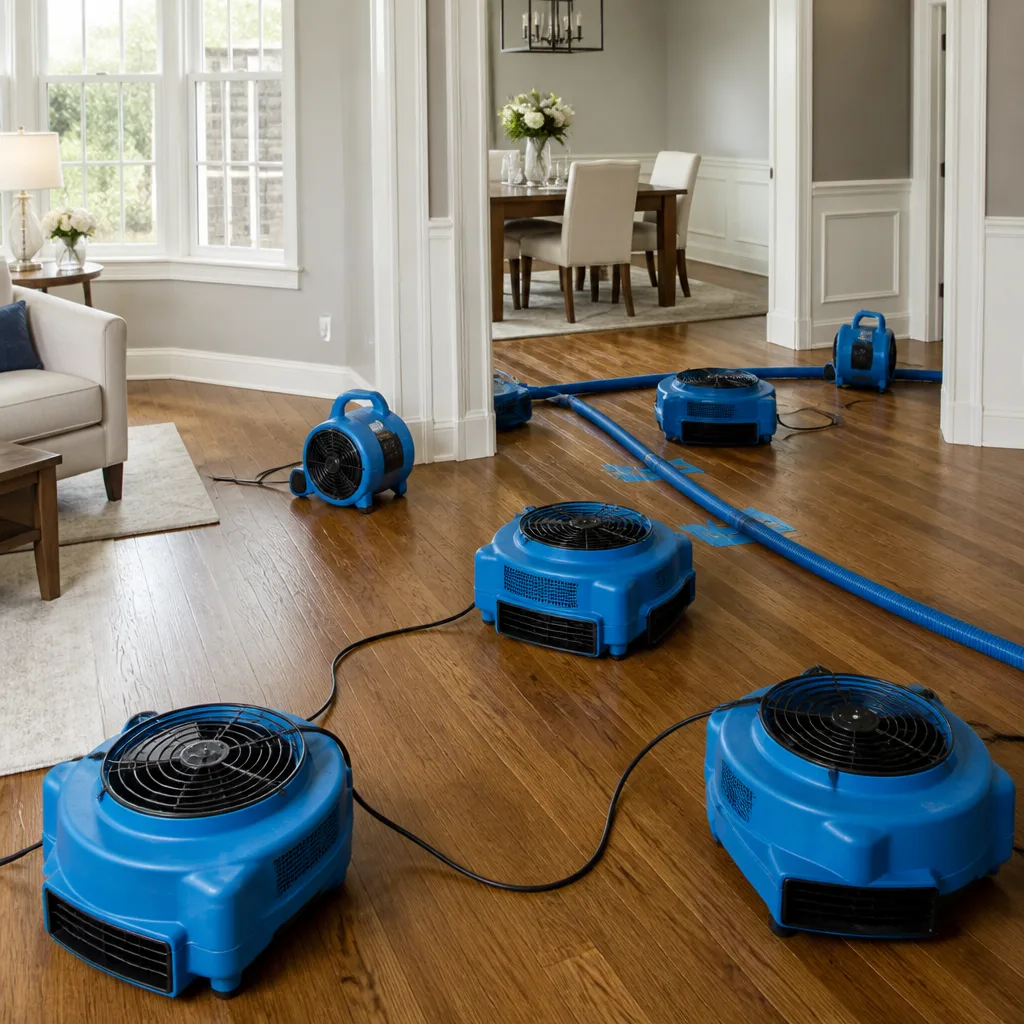 Water damage drying
 Fire & smoke cleanup
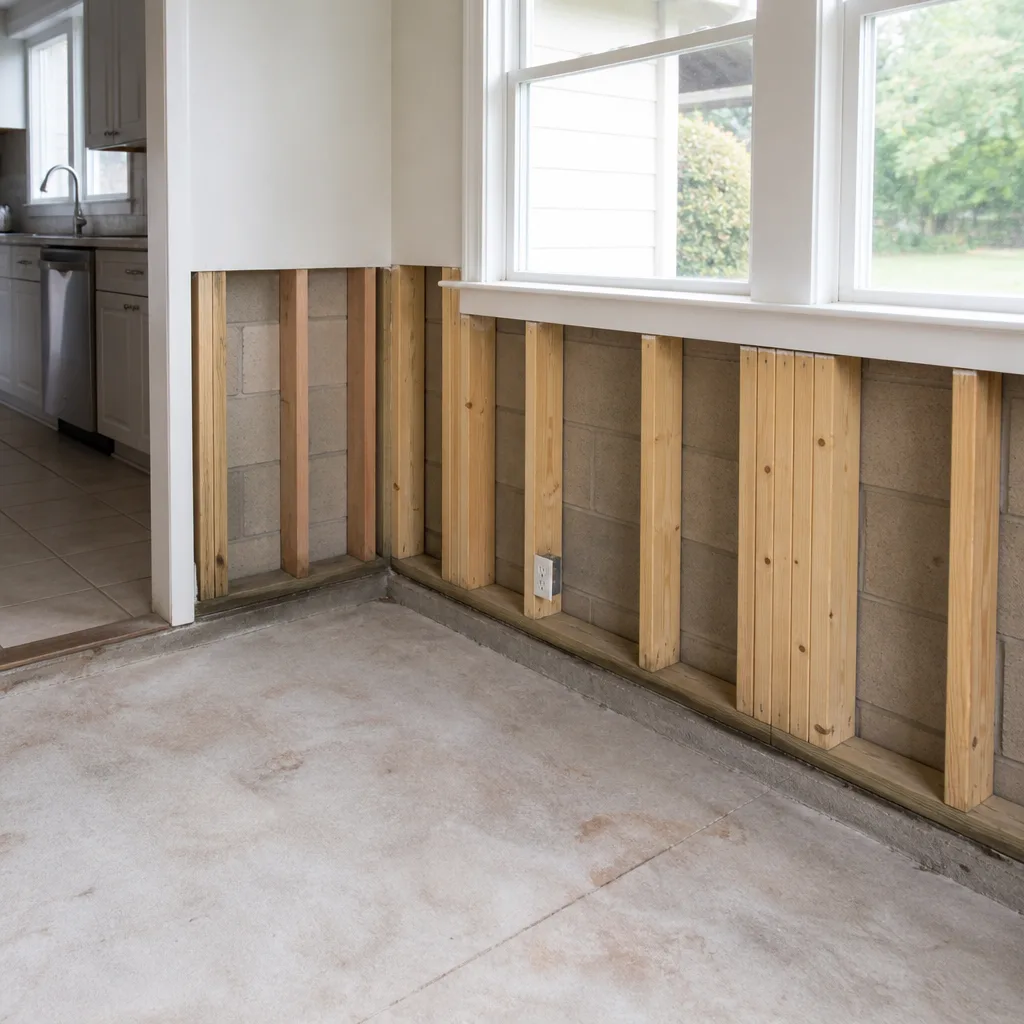 Mold remediation
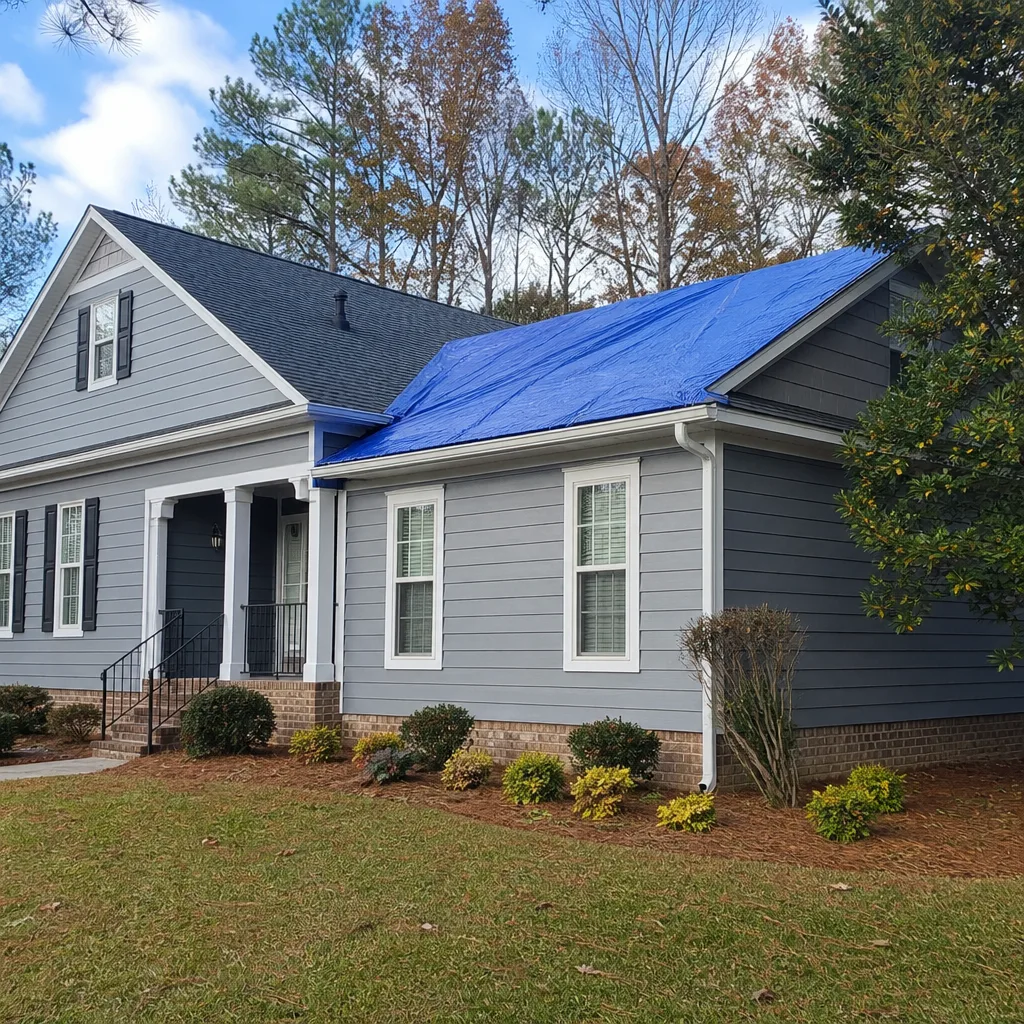 Storm response
 Sewage cleanup
 Reconstruction
Free visual inspection and a written scope of work before any mitigation begins - photos, moisture readings, and drying logs go in your claim file
The scope we write is the scope we bill. Anything new gets shown to you, in writing, before we touch it.
Get your free estimateHow to Hire a Damage Restoration Contractor in Rialto: A Step-by-Step Guide
California’s Contractor State License Board logged over 18,000 complaints in a recent year, and storm-chasing restoration fraud spikes every time Rialto gets significant rainfall. Knowing the two license numbers to verify takes under four minutes and eliminates the majority of bad actors. This guide walks you through exactly what a credentialed contractor’s proposal, license check, and job-site protocol should look like before you sign anything, so you can make a clear decision while your walls are still wet. For more guides & resources, see our blog.
Restoration work we handle
Quick Answer
Hiring a damage restoration contractor in Rialto means verifying two separate credentials (a California CSLB contractor license and technician-level IICRC certifications), getting a written scope of work that itemizes equipment and daily moisture readings, and checking that the contractor handles water, mold, and fire damage under one roof. Start with a CSLB license lookup at cslb.ca.gov, refuse verbal-only estimates, and confirm the contractor will document everything for your insurance carrier. Trailblazer Water Damage offers free estimates in Rialto – call (866) 472-6137.
Table of Contents
- The Two License Checks That Filter Out 90% of Bad Contractors
- What a Legitimate Scope of Work Must Itemize
- Assignment of Benefits: What to Sign, What to Walk Away From
- Questions That Reveal Real Structural Drying Experience
- Rialto-Specific Red Flags After a Storm
- How Insurance-Level Documentation Actually Works
- The Step-by-Step Hiring Process
- Common Mistakes to Avoid
- When to Call a Professional
- Frequently Asked Questions
- The Bottom Line
The Two License Checks That Filter Out 90% of Bad Contractors
California is one of a handful of states that requires two separate layers of credentialing for legitimate restoration work, and most homeowners in Rialto only ever check one. The first is a contractor license issued by the California Contractors State License Board. For damage restoration, you’re looking for a Class B General Building contractor license or a specialty classification like C-33 for painting and decorating (which covers some finishing work) or C-36 for plumbing, depending on the scope. The second layer lives at the technician level: IICRC certifications in Water Damage Restoration, Applied Structural Drying, Mold Remediation, or Fire and Smoke Restoration. These cover the person actually running the equipment, not just the company name on the invoice.
Having one without the other is a red flag. A Class B license without IICRC-certified technicians means the company is legally allowed to contract the work but may not know how to dry a wall cavity properly. An IICRC certification without a CSLB license means the person has training but cannot legally contract for work over $500 in California. Ask for both numbers. The license number should appear on the contractor’s website, business cards, and all written estimates. The IICRC certification number belongs to each technician and should be verifiable through the IICRC’s online registry.
Rialto sits in a unique regulatory zone. The city works under San Bernardino County building codes, and certain restoration scopes (especially structural repairs after fire damage) require city permits. A contractor who refuses to pull permits or suggests you skip them is shifting liability onto you. We’ve seen homeowners in the Las Colinas and North Rialto neighborhoods get stuck with unpermitted work that fails inspection when they try to sell. The license check takes four minutes. The permit conversation takes five. Both save you from the contractor who vanishes when the inspector shows up.
How to verify both credentials:
- Go to cslb.ca.gov and enter the contractor’s license number. Confirm the license is active, not suspended, and check for any disciplinary actions.
- Confirm the classification matches the work (Class B, C-33, or C-36 for restoration scopes).
- Ask who on the crew holds IICRC certifications and write down their individual certification numbers.
- Verify those numbers at iicrc.org’s locate-a-professional tool.
- Check that the company’s business address matches what’s on file with the CSLB. Mismatches are common among storm-chasing outfits that register a PO box in one city and work in another.
If the contractor hesitates on any of these, end the conversation. Legitimate restoration firms in Rialto expect this level of scrutiny. We ask our own clients to check. It keeps everyone honest.
What a Legitimate Scope of Work Must Itemize
A verbal estimate after a water loss in Rialto is not an estimate. It’s a guess, and guesses are how homeowners end up with half-dried walls and mold blooming behind baseboards six months later. Following a Water Damage Restoration Maintenance Checklist for Rialto Homeowners helps prevent these costly oversights. A legitimate scope of work, the kind that holds up in an insurance claim and survives an adjuster’s review, runs several pages and itemizes specific line items. Here’s what must be on the page before you sign.
The equipment section is the most revealing. A professional restoration company lists the exact equipment it plans to deploy, by brand and model, with placement locations. You should see entries like “Dri-Eaz LGR 7000XLi dehumidifier, placed in living room,” “Phoenix AirMax centrifugal air mover, positioned at southwest corner of master bedroom,” and “Injectidry panel system installed at kitchen wall cavity, lower cabinets.” Generic language like “drying equipment” or “industrial fans” means you’re dealing with a surface-level company that doesn’t track its own drying program. When a contractor names the equipment, they’re committing to a standard.
The monitoring schedule is equally important. A legitimate scope of work includes a drying plan with daily moisture readings, recorded in writing, with target moisture content for each affected material. You should see target numbers, like “wood floor under 12% moisture content” or “drywall under 15% before removal clearance.” Wet building materials in Southern California’s climate will not dry on their own during a humid winter week, and a contractor that doesn’t schedule daily readings has no way to prove the structure is dry. We use Injectidry cavity-drying systems precisely because they allow us to dry inside walls and floors without destructive tear-outs, and the scope of work we provide reflects that with specific cavity-drying schedules and pressure readings.
For mold remediation, the scope must include containment protocol, air filtration device types, post-remediation clearance criteria, and the lab that will process samples. For fire damage, it must itemize packout inventory procedures, board-up materials, and deodorization methods. If any of these are missing, ask why. The answer tells you more than the missing line item.
A complete scope of work includes:
- Equipment list with brand names, model numbers, and placement locations
- Daily monitoring schedule with specific moisture target numbers
- Removal and disposal documentation for damaged materials
- Containment and air filtration plan (for mold)
- Post-work clearance criteria with third-party verification if needed
- Payment schedule tied to milestones, not upfront totals
- Written change-order process for unexpected findings
Assignment of Benefits: What to Sign, What to Walk Away From
An Assignment of Benefits is a contract clause that transfers your insurance claim rights to the contractor. In theory, it lets the restoration company bill your insurance carrier directly, which can speed up payment and reduce your administrative burden. In practice, it’s the single most abused document in the restoration industry, and the language matters more than whether you sign it at all.
In California, AOBs are legal but heavily contested. The problem in Rialto and surrounding San Bernardino County cities is that some storm-chasing contractors use AOBs to lock homeowners out of their own claims. The contractor inflates the scope, bills the insurer, and if the carrier disputes the charges, the homeowner is left in the middle of a payment fight they have no power to resolve. You should understand exactly what rights you’re transferring before you put your signature on anything.
Contract language that protects you:
- A clause stating the AOB can be revoked in writing within 3 business days of signing (state law allows this for most home improvement contracts).
- A line item showing the exact dollar amount being assigned, not a blank authorization for “all work performed.”
- Language requiring the contractor to provide you with copies of all billing submitted to your insurer.
- A statement that the contractor will not pursue legal action against you for unpaid amounts the insurer disputes.
- Confirmation that the AOB applies only to the specific loss at hand, not future losses.
Walk away from any AOB that transfers your right to dispute claim decisions, requires you to pay the contractor directly if the insurer denies the claim, or prohibits you from communicating with your own insurance carrier. Those clauses are designed to isolate you from the process. A legitimate contractor works alongside your adjuster, not around them. We built our documentation process at Trailblazer Water Damage home around insurance-level reporting because the adjuster relationship determines whether your claim gets paid. When a contractor sees the adjuster as an adversary, you get caught in the crossfire.
If you’re unsure about an AOB, call your insurance agent before signing. Most agents will review the document with you, and reputable carriers in California maintain approved contractor lists that simplify the process. And never, under any circumstances, sign an AOB presented by someone who knocked on your door after a storm.
Questions That Reveal Real Structural Drying Experience
Surface-level cleanup crews can vacuum water and set a fan. Structural drying is a different discipline, and the difference shows up in how a contractor answers specific technical questions. Our Water Damage Restoration Troubleshooting: Common Problems and How to Fix Them covers what to listen for. You don’t need to become a drying expert to evaluate a company. You need to ask three or four questions and listen carefully to whether the answer demonstrates understanding or deflection.
The first question is about GPP, or grains per pound. GPP is the measurement of absolute humidity in the air, and it’s the primary metric a professional drying program tracks. Ask, “What GPP target are you trying to reach in the affected area?” A contractor with structural drying experience will give you a number, typically between 40 and 60 GPP depending on the material and the outside conditions, and will explain that the target changes as the structure dries. A surface-level crew will either not know what GPP means or will dodge the question with vague language about “getting it dry.”
The second question is about LGR dehumidifier placement. LGR stands for low-grain refrigerant, and these are the industry-standard dehumidifiers used in professional restoration. The placement matters because an LGR unit works by pulling humid air across cold coils, and that air has to move through the room in a specific pattern to dry efficiently. Ask, “How many LGR dehumidifiers are you planning to run, and where will you place them?” Professional answer: a count based on cubic footage and a description of the airflow pattern. Non-professional answer: “We’ll see when we get there.”
We run a professional-grade equipment stack at Trailblazer Water Damage that includes Dri-Eaz, Phoenix, XPOWER, and B-Air systems, plus Injectidry cavity-drying units for wall and floor cavities. We name the equipment in our proposals because it’s a commitment to a standard. If a contractor cannot or will not name their equipment, assume they’re renting whatever the local supply house has available and hoping for the best.
Additional questions that separate professionals from pretenders:
- “What’s your target moisture content for the wood subfloor?” (Professional answer: under 12% MC, measured with a penetrating moisture meter.)
- “How often will you take moisture readings, and will I get them in writing?” (Professional answer: daily, with a written log you receive, not a verbal summary.)
- “What’s your protocol if moisture levels plateau?” (Professional answer: re-evaluate the drying plan, consider Injectidry cavity-drying, adjust equipment placement.)
- “Do your technicians hold IICRC Applied Structural Drying certifications?” (Professional answer: yes, with verifiable certification numbers.)
When a contractor answers these questions with specifics, you’re talking to a company that understands the science. When they deflect, you’re talking to a company that hopes the problem goes away before you notice it didn’t.
Rialto-Specific Red Flags After a Storm
Rialto sits at the base of the San Bernardino Mountains, and when significant rainfall hits, water moves fast through the city’s older neighborhoods. The post-storm window is when restoration fraud spikes, and the patterns are consistent enough to list. For year-round protection tips, read our Seasonal Damage Restoration Care for Rialto: Year-Round Homeowner’s Guide. If you see any of these, do not let the contractor into your home.
Door-to-door solicitation within 48 hours of a storm is the biggest red flag. Legitimate restoration companies in Rialto are busy with existing customers and insurance referrals after a major weather event. They don’t need to knock on doors. Storm-chasers, on the other hand, move into affected areas immediately and pressure homeowners into signing contracts before they’ve had time to think. These are often out-of-state crews with rented equipment and no California license. They’ll do a partial job and disappear, leaving you with a claim your insurer won’t pay because the contractor was unlicensed.
Verbal-only estimates are another signal. California law requires written contracts for home improvement work over $500, and any contractor who refuses to put numbers on paper is avoiding a paper trail. That’s intentional. Without documentation, you have no proof of what was promised, no basis for an insurance claim, and no leverage if the work falls apart. Walk away.
Refusal to pull city permits for structural work is a third. Rialto enforces San Bernardino County building codes, and work that involves structural repairs, electrical changes, or substantial reconstruction requires permits. A contractor who tells you permits aren’t necessary or that pulling them will “slow things down” is asking you to absorb liability for unpermitted work. When you eventually sell the property or file another claim, that unpermitted work becomes a problem. We’ve never met a legitimate Rialto restoration contractor who refused to pull required permits. The ones who refuse are counting on you not knowing the rules.
The three red flags, summarized:
- Door-to-door solicitation within 48 hours of a storm (legitimate companies don’t canvas).
- Verbal-only estimates with no written scope of work (illegal and unverifiable).
- Refusal to pull city permits for structural or electrical work (liability transfer to you).
How Insurance-Level Documentation Actually Works
The documentation a restoration contractor produces is the difference between a smooth claim and a denied one. Insurance adjusters work from evidence, not assurances, and the evidence a professional restoration company generates is what turns your loss into a payable claim. Here’s what that documentation should include, and what we mean when we say a process is “built for insurance-level documentation.”
Photo documentation starts before any equipment is set. A professional restoration team in Rialto photographs the affected areas from multiple angles, including close-ups of water damage, mold growth, or fire patterns. They photograph the moisture meter readings, the equipment as it’s placed, and the daily drying progress. These photos get timestamped and organized by room. When your adjuster asks for proof of loss, you hand over a complete visual record, not a handful of cell phone pictures taken in a panic.
The drying log is equally critical. Every day the equipment runs, the technician records the moisture content of each affected material, the ambient temperature and humidity, the GPP readings, and any adjustments made. That log goes into your file. If your adjuster questions whether the job was done properly, the drying log is the evidence that it was. If you sell the home later and a buyer’s inspector asks about water damage history, the drying log proves the structure was dried to a professional standard. That’s what we mean when we say we handle water damage from extraction to clearance, with documentation at every step. You can see how that applies to Water Damage Restoration in Rialto.
What the documentation packet should include:
- Pre-mitigation photos of all affected areas (timestamped, room by room)
- Moisture meter readings at initial assessment and daily thereafter
- Equipment placement log with brand, model, serial number, and location
- Drying log with temperature, humidity, and GPP readings
- Removal and disposal records for damaged materials
- Post-mitigation photos and final moisture readings
- Invoices itemized by task, tied to the original scope of work
For mold remediation, add lab results from post-remediation clearance sampling. For fire damage, add the packout inventory and deodorization log. The more documentation your contractor provides, the fewer questions your adjuster asks, and the faster your claim resolves.
The Step-by-Step Hiring Process
Here’s the sequence to follow, in order, when you need a restoration contractor in Rialto. Print this. Save it to your phone. You’ll be glad you have it when the water is rising.
- Stop the source and document everything. Shut off the water at the main valve or breaker. Take photos of the damage before anyone touches anything. Call your insurance carrier and report the loss. Get a claim number.
- Run the CSLB license check. Go to cslb.ca.gov. Enter the contractor’s license number. Confirm the license is active and the classification matches the work.
- Verify IICRC certifications. Ask which technicians will be on your job and write down their IICRC certification numbers. Verify them at iicrc.org.
- Request a written scope of work. Insist on itemized equipment, daily monitoring schedule, and specific moisture targets. No written scope, no contract.
- Review any AOB language. If the contract includes an Assignment of Benefits, verify the protective clauses are present. When in doubt, call your insurance agent before signing.
- Ask the structural drying questions. GPP targets, LGR dehumidifier placement, monitoring frequency. Listen for specifics.
- Sign the contract and get to work. Once the credentials check out and the scope is solid, the work should start quickly. Professional restoration companies in Rialto can typically begin mitigation same-day after the contract is signed.
This process takes less than an hour when you’re working with a legitimate contractor. When you’re dealing with a storm-chaser, it takes longer because they’ll struggle to produce the license number, the written scope, or the answer to a GPP question. The delays are the filter doing its job.
Common Mistakes to Avoid
- Hiring the first contractor who answers the phone. Urgency leads to bad decisions. A 30-minute license check before you sign anything prevents a year of problems. The water will still be there when the check is done.
- Accepting a verbal estimate. A contractor who won’t put numbers on paper won’t stand behind them. Written scopes of work are a California legal requirement for work over $500, and the absence of one should end the conversation.
- Signing an AOB without reading it. Assignment of Benefits clauses transfer your claim rights. Understand exactly what you’re signing, and revoke it in writing if the contractor misrepresents the terms.
- Skipping the permit conversation. Structural and electrical work in Rialto requires permits. A contractor who avoids the topic is avoiding accountability.
- Assuming the insurance company handles everything. Your insurance carrier pays the claim, but you live in the house. The documentation a restoration contractor provides is what determines whether the claim gets paid in full or gets nickel-and-dimed.
- Choosing the cheapest bid without comparing scopes. A low bid usually means a thinner scope: less equipment, fewer monitoring visits, no cavity-drying. Compare line items, not just totals. The cheap bid that leaves your walls wet costs more than the honest one that dries them right.
- Waiting to call after mold appears. Visible mold in a Rialto home means an active moisture problem behind the surface. Delay lets the colony spread. Once you see it, the remediation scope has already expanded. Mold Remediation in Rialto is not a DIY project.
When to Call a Professional
You need a professional restoration contractor when water has saturated building materials, when mold is visible on any surface, or when fire damage has left smoke residue in the structure. These are not weekend projects. Saturated drywall loses structural integrity within days. Mold colonies spread behind walls where you can’t see them. Smoke residue penetrates porous materials and requires professional deodorization equipment. If you’re in any doubt, the call costs nothing. Trailblazer Water Damage offers free estimates in Rialto – call (866) 472-6137. We’ll assess the scope, tell you what needs to happen, and give you a written plan. Even if you choose another contractor, you’ll have a baseline for comparison. And if you’re dealing with fire damage, review Fire Damage Restoration in Rialto to understand the full sequence from board-up to clearance.
Frequently Asked Questions
A professional restoration company can typically dispatch a crew to your Rialto property within hours of your call, not days. The timeline depends on current call volume and the severity of the loss, but water mitigation should begin same-day whenever possible. The longer saturated materials sit, the more extensive and expensive the restoration becomes. Call (866) 472-6137 to check current availability and get a free estimate.
Homeowners insurance typically covers sudden and accidental water damage, fire damage, and mold remediation when it results from a covered peril. The key is documentation: your contractor needs to produce photo evidence, moisture readings, and a written scope of work that your adjuster can verify. Trailblazer Water Damage builds documentation for insurance-level scrutiny from the first visit, which speeds up claim processing and reduces disputes.
You need a CSLB-licensed contractor for any restoration work over $500. An unlicensed handyman working in Rialto is operating illegally, and any damage they cause or fail to fix becomes your financial responsibility. Insurance carriers also deny claims for work performed by unlicensed contractors. The license check takes four minutes on cslb.ca.gov and protects you from the worst outcomes.
A restoration contractor specializes in emergency mitigation (water extraction, structural drying, mold remediation, fire cleanup) and holds IICRC certifications at the technician level. A general contractor builds and remodels but typically lacks drying equipment and certification. After significant water or fire damage in Rialto, you need a restoration contractor first for mitigation, and possibly a general contractor later for reconstruction. Trailblazer Water Damage handles the full damage sequence in-house, from extraction through clearance.
You know the drying is working when your contractor provides daily moisture readings in writing, showing a consistent downward trend toward target moisture content. The readings should come from a penetrating moisture meter, not a surface-only scanner, and they should cover every affected material. If your contractor can’t show you the number, they’re not measuring. Professional drying with LGR dehumidifiers and Injectidry cavity systems typically takes 3 to 5 days for most Rialto water losses.
Both. You report the loss and communicate with your adjuster about coverage decisions. Your contractor provides the technical documentation: photos, moisture readings, scope of work, and drying logs. A professional restoration company works alongside the adjuster, answering technical questions and providing evidence. Trailblazer Water Damage communicates directly with adjusters as part of our documentation process, so you’re not translating technical details you don’t understand. Call (866) 472-6137 to discuss how we handle the adjuster relationship on your claim.
The Bottom Line
Hiring a damage restoration contractor in Rialto is a four-minute license check, a written scope of work, and a few technical questions that separate professionals from pretenders. Verify the CSLB license and the IICRC certifications. Insist on equipment names, daily moisture readings, and specific drying targets. Read every AOB clause before you sign. Avoid door-to-door solicitors after storms, verbal estimates, and contractors who dodge permit conversations. You don’t need to become a restoration expert to hire one. You need to ask the right questions and trust the answers that come with specifics. Trailblazer Water Damage is an IICRC-certified team serving Rialto with professional-grade equipment and insurance-level documentation. Call (866) 472-6137 for a free estimate, and get the written scope you need before you sign anything.
Written by the team at Trailblazer Water Damage, serving Rialto since 2013.
See the difference
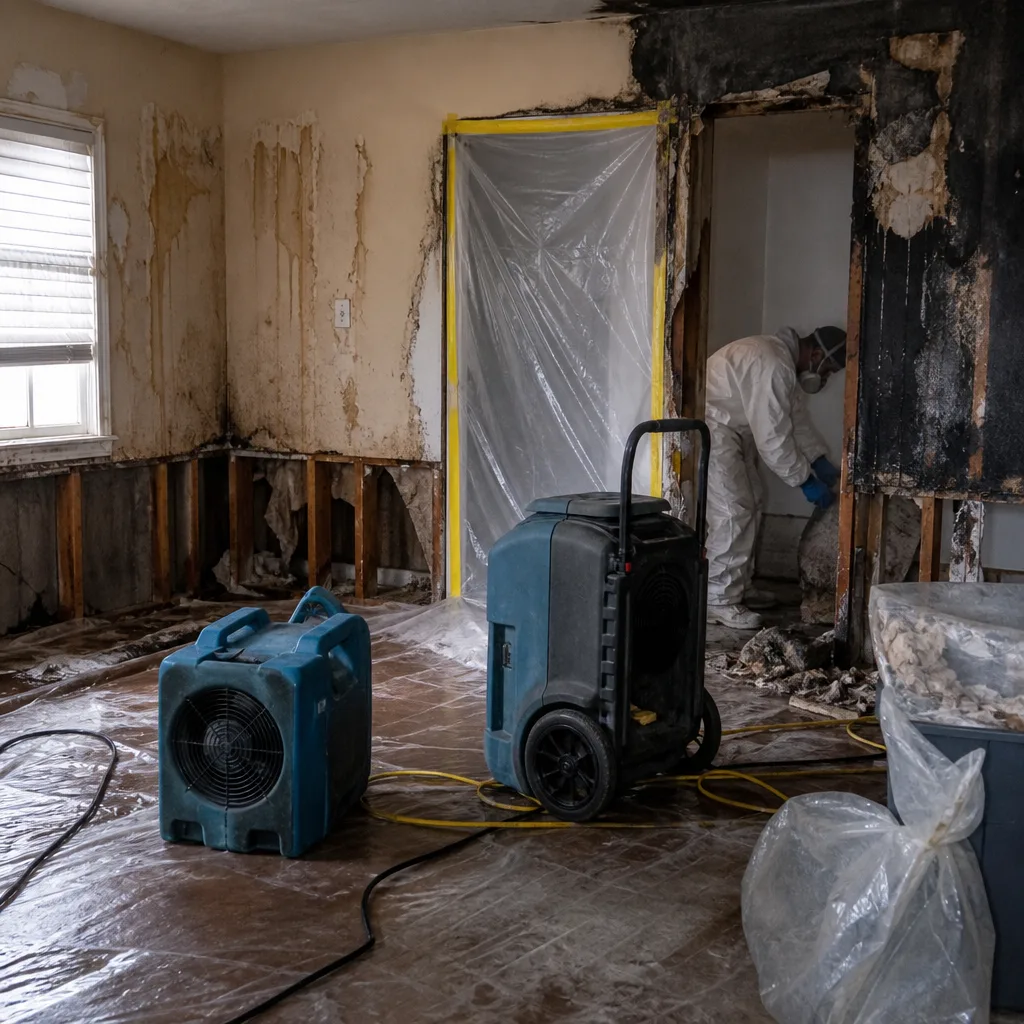 Before
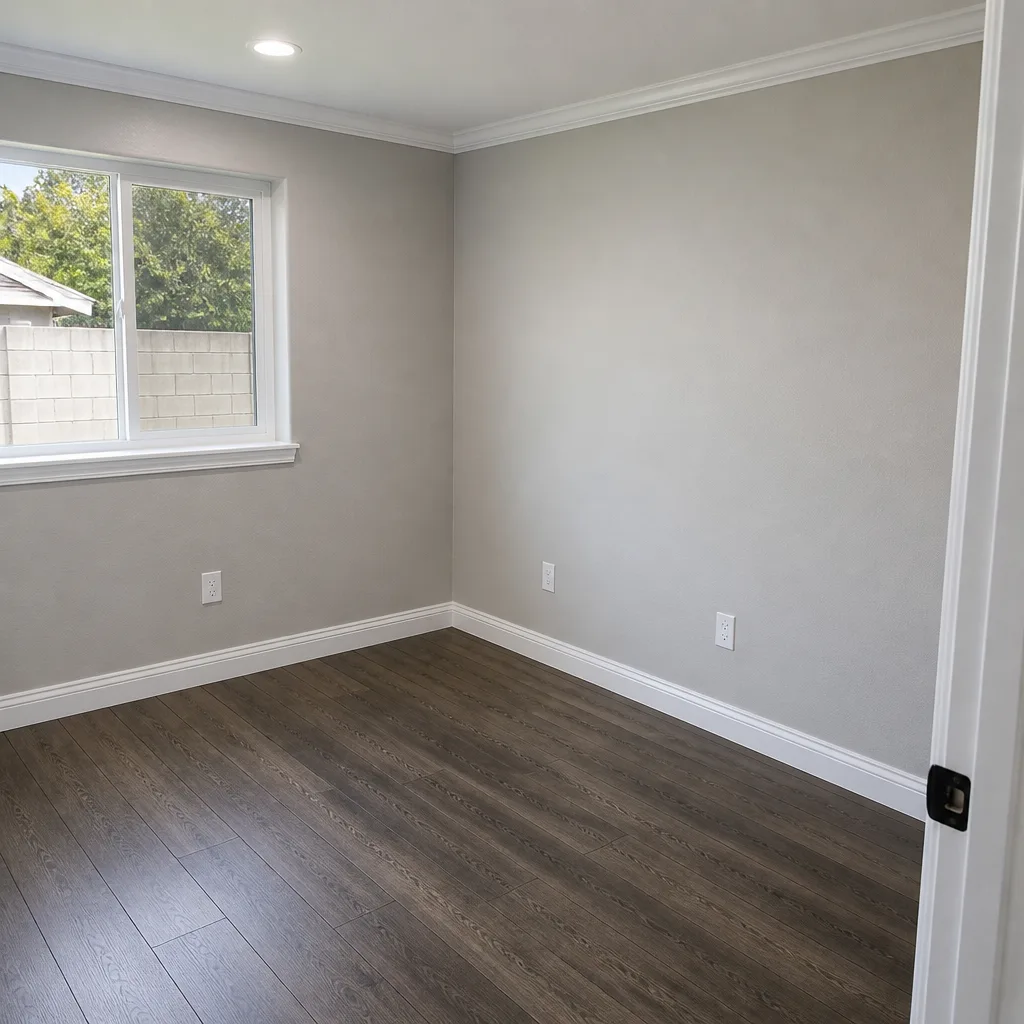 After
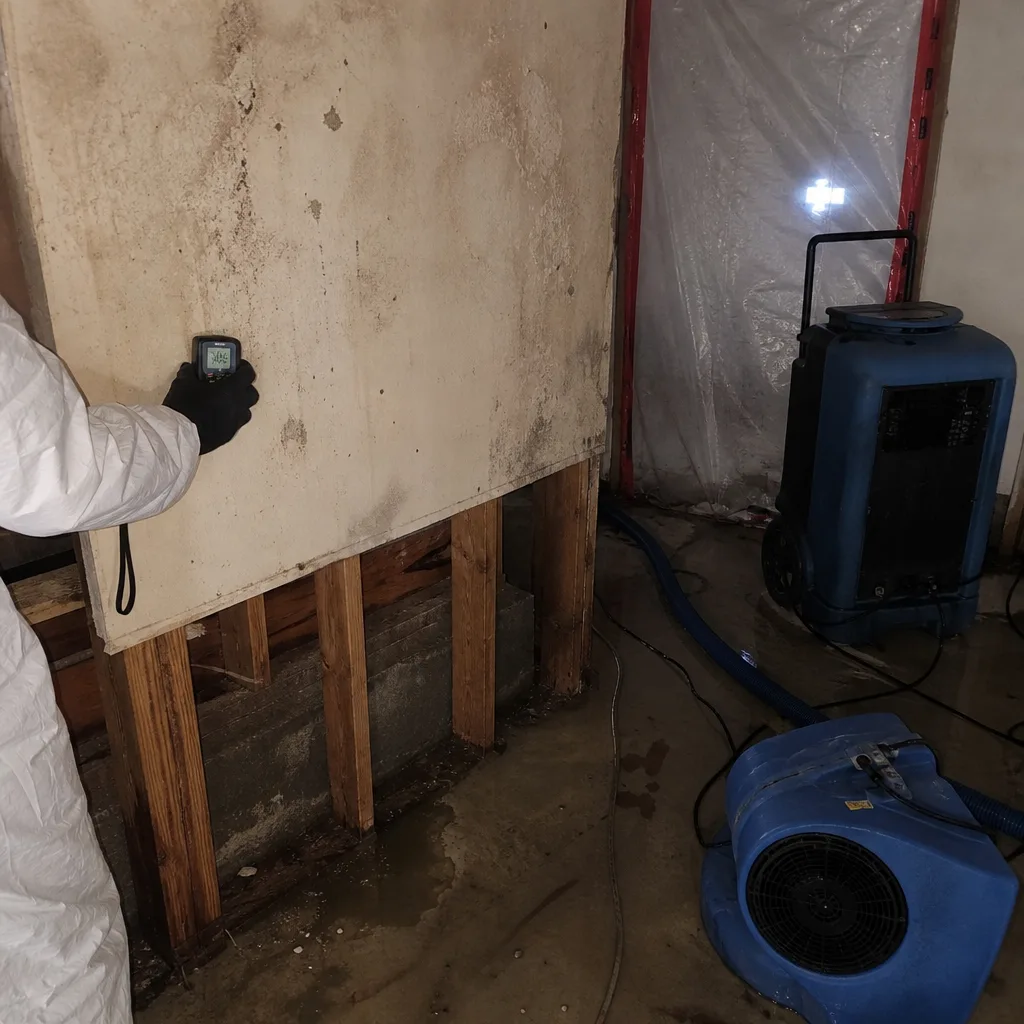 Before
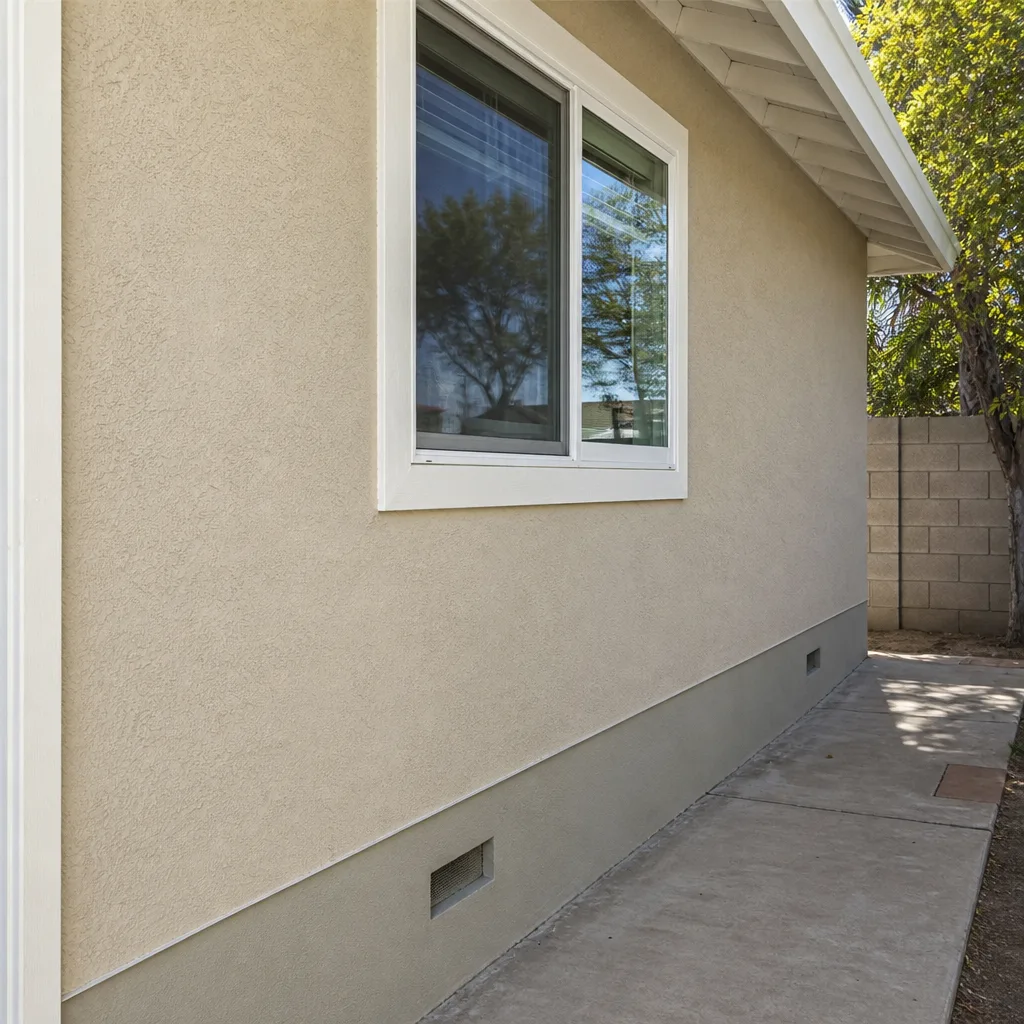 After
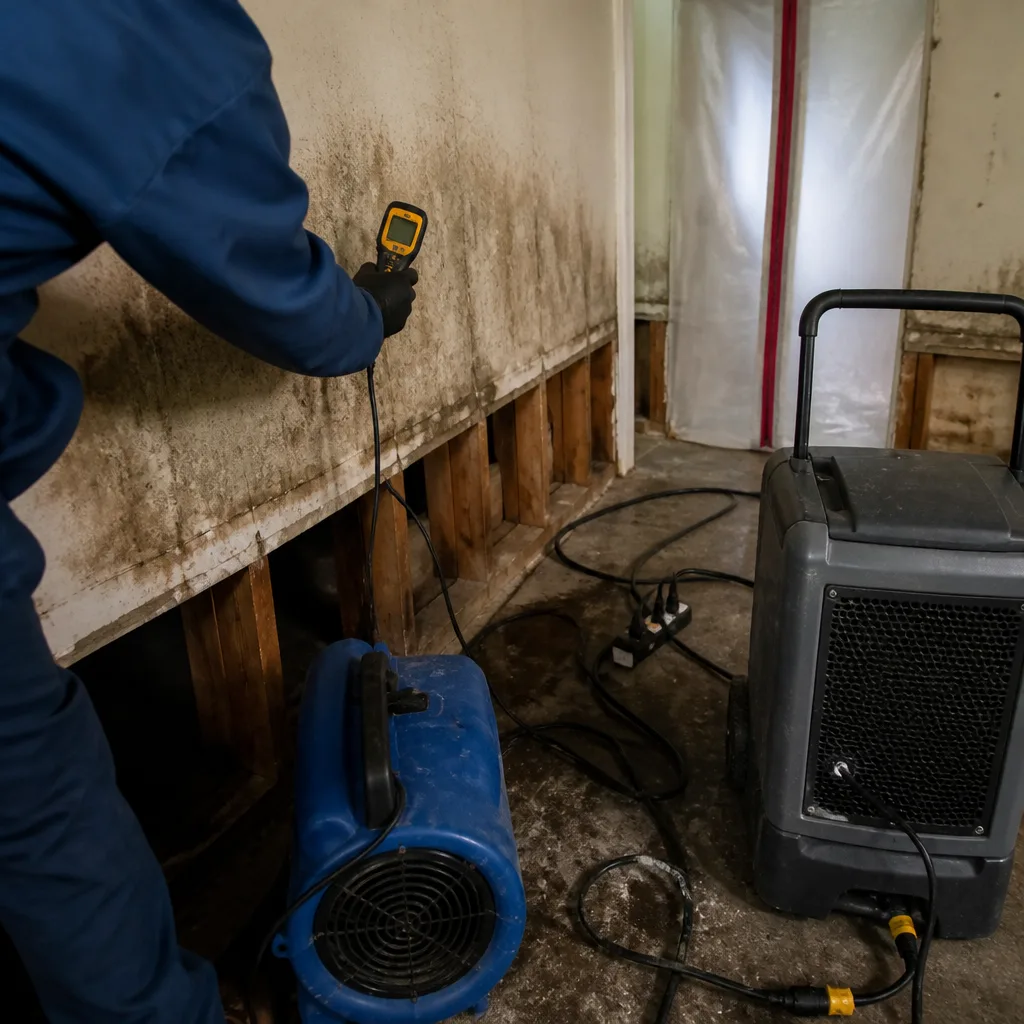 Before
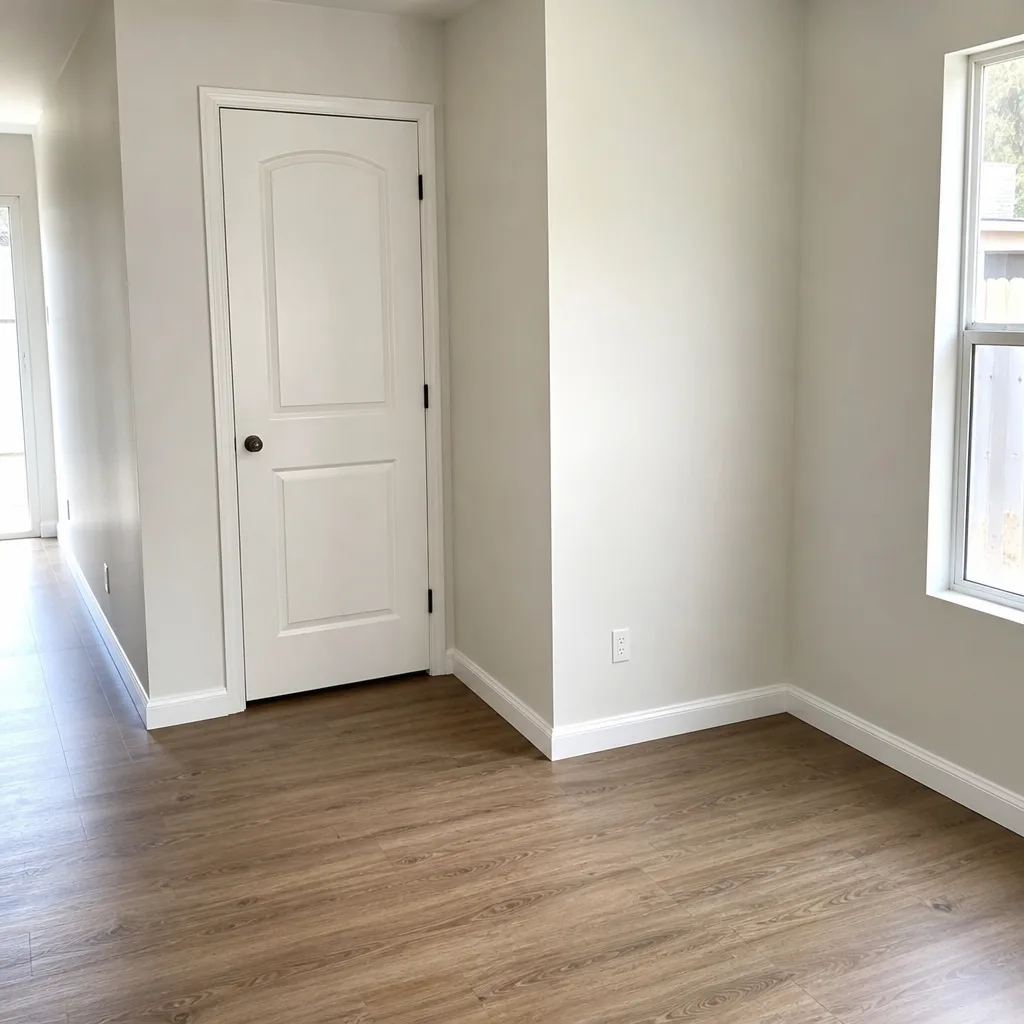 After